Muscular
Showing 13–24 of 26 results
-
Open heart valves
24,50 € Add to basketEs un hecho establecido hace demasiado tiempo que
un lector se distraerá con el contenido del texto de un
sitio mientras que mira su diseño. El punto de usar
Lorem Ipsum


-
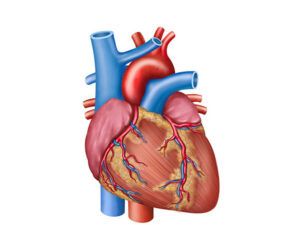
Physiology of the heart
24,50 € Add to basketThe physiology of the heart explains how blood circulates
through the body. Deoxygenated blood travels to the lungs
for oxygenation, then oxygenated blood returns to the heart
and is pumped through the aorta to supply tissues. -
The cardiac blood circulation
24,50 € Add to basketCardiac blood circulation describes how blood flows from
the heart to the lungs and back to the body. This process
delivers oxygen and nutrients to tissues while supporting
normal cellular function. -
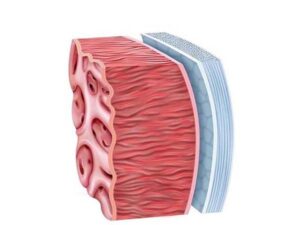
The cardiac layers
24,50 € Add to basketCardiac layers include the pericardium, myocardium,
and endocardium. These structures protect the heart,
generate contractions, and line the heart chambers to
support efficient blood circulation. -
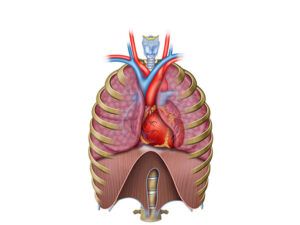
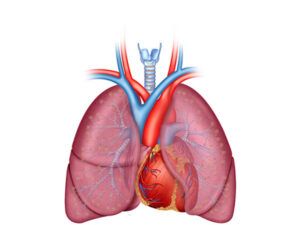
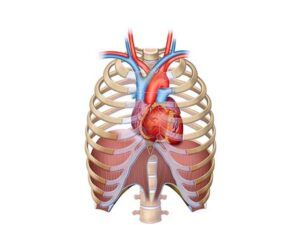
The cardiorespiratory system
24,50 € Add to basketThe cardiorespiratory system combines the heart and
lung function to circulate oxygen, remove carbon dioxide,
and support cellular metabolism and overall body balance. -
The cardiorespiratory system
24,50 € Add to basketThe cardiorespiratory system combines the heart and lung
function to circulate oxygen, remove carbon dioxide,
and maintain physiological balance essential for cellular
activity. -
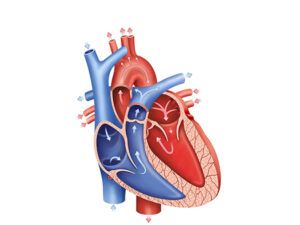
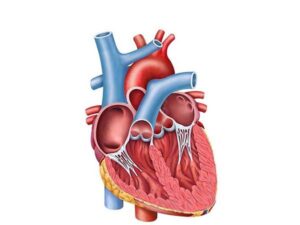
The heart in the sagittal plane
24,50 € Add to basketThe heart in the sagittal plane shows the heart divided
into right and left halves. This view highlights the atria,
ventricles, and heart valves, helping explain cardiac
anatomy and blood flow through the chambers. -
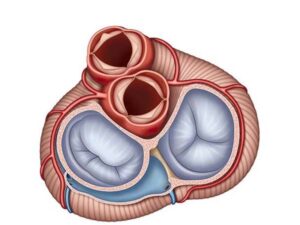
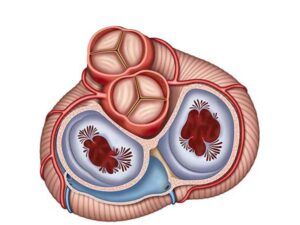
The heart valves
24,50 € Add to basketHeart valves regulate blood flow within the heart. The
mitral, tricuspid, aortic, and pulmonary valves open and
close during each heartbeat to ensure one-way blood flow
circulation through the heart and major arteries. -
The heart valves
24,50 € Add to basketHeart valves regulate blood flow inside the heart.
The mitral, tricuspid, aortic, and pulmonary valves
open and close during each heartbeat to maintain
one-way circulation. -
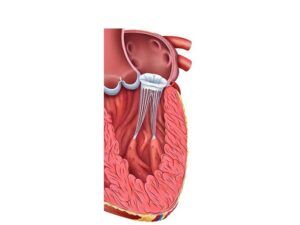
The mitral valve
24,50 € Add to basketThe mitral valve regulates blood flow between the left
atrium and the left ventricle. Its opening and closing during
the cardiac cycle ensure one-way blood circulation through
the heart. -
The rib cage
24,50 € Add to basketThe rib cage is a skeletal structure made of ribs,
sternum, and thoracic vertebrae. It protects the
heart and lungs while supporting breathing
movements. -
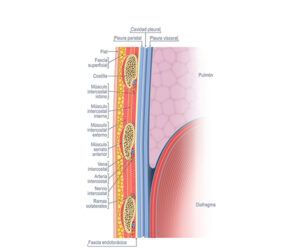
The thoracic cavity layers
24,50 € Add to basketThoracic cavity layers include skin, subcutaneous tissue,
intercostal muscles, ribs, and costal cartilage. Together, they
protect the heart and lungs while supporting breathing
movements.