sanguineous
Showing 37–48 of 78 results
-
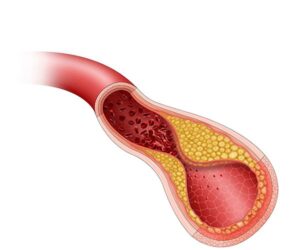
High cholesterol level
24,50 € Add to basketHigh cholesterol level involves significant lipid buildup, especially
LDL and triglycerides, leading to plaque formation, reduced blood
flow, and increased risk of heart attack and stroke, often without
noticeable symptoms.


-
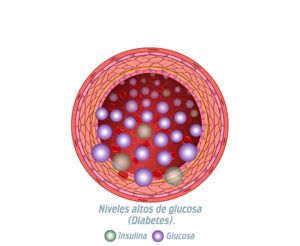
High glucose levels
24,50 € Add to basketHigh glucose levels refer to excess sugar in the bloodstream,
often linked to insulin resistance or diabetes, increasing the
risk of cardiovascular disease and long-term organ damage. -
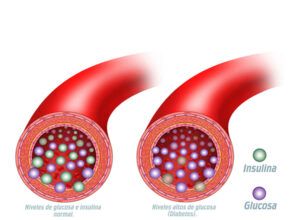
High insulin and glucose levels
24,50 € Add to basketHigh insulin and glucose levels reflect insulin resistance, where
cells fail to absorb glucose properly, increasing blood sugar and
raising the risk of diabetes and cardiovascular complications. -
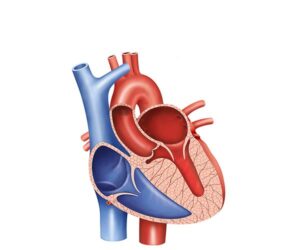
Hypertrophic cardiomyopathy
24,50 € Add to basketThe hypertrophic cardiomyopathy has an altered function in cardiac
pumping. Moreover, under normal conditions, the myocardium
maintains appropriate thickness. Additionally, it allows efficient
contraction. -
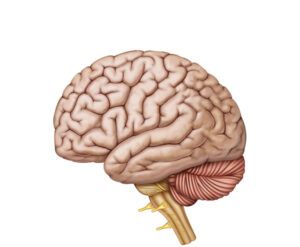
Lateral view of the brain
24,50 € Add to basketLateral view of the brain. This anatomical representation shows
the main sulci and lobes of the nervous system. The structure
includes the frontal, parietal, temporal, and occipital sectors. Each
area manages specific processes such as memory, sensory
perception, and cognition. -
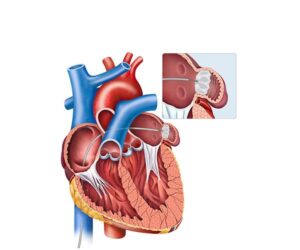
Left atrial appendage
24,50 € Add to basketThe left atrial appendage has a general function related to atrial
dynamics. Moreover, under normal conditions, it contributes to
left atrial contraction. Additionally, it may act as a blood reservoir. -
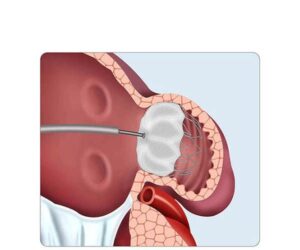
Left atrial appendage closure
24,50 € Add to basketThe left atrial appendage closure has a general preventive
function in the cardiovascular system. Moreover, under normal
conditions, the appendage contributes to atrial dynamics.
Additionally, it may act as a blood reservoir. -
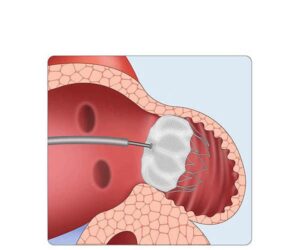
Left atrial appendage closure
24,50 € Add to basketThe left atrial appendage closure has a general preventive function
in the cardiovascular system. Moreover, under normal conditions,
the appendage contributes to atrial dynamics. Additionally, it may
act as a blood reservoir. -
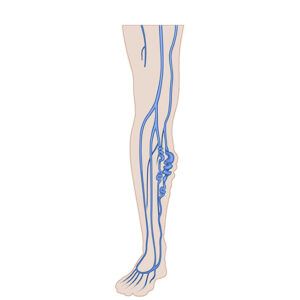
Leg with varicose veins
24,50 € Add to basketLeg with varicose veins shows dilated and twisted veins caused
by venous valve failure, leading to blood pooling, pain, swelling,
and visible skin changes. -
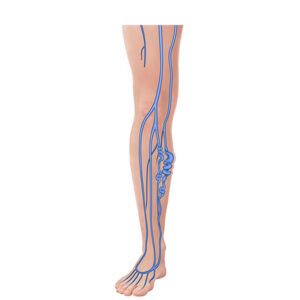
Legs affected by varicose veins
24,50 € Add to basketLegs affected by varicose veins show dilated, twisted veins caused
by venous insufficiency, leading to pain, swelling, and heaviness,
with potential complications if untreated. -
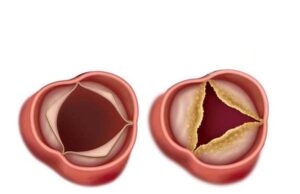
Open aortic valve stenosis
24,50 € Add to basketThe open aortic valve stenosis has an altered function in
systemic circulation. Moreover, under normal conditions,
the aortic valve opens fully. Additionally, it allows efficient
blood passage. -
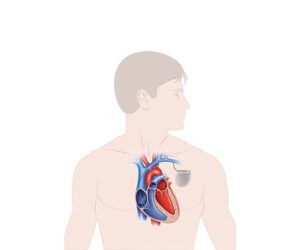
Pacemaker individual camera
24,50 € Add to basketPacemaker individual camera. This device connects an electrode
to the heart to monitor and regulate the rhythm of the heart.
Allows the camera to work in sync, improving cardiac efficiency
in the patient.