sanguineous
Showing 61–72 of 78 results
-
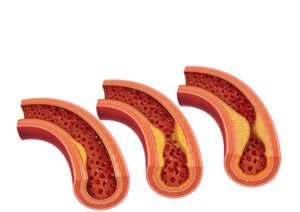
The cholesterol phases
24,50 € Add to basketCholesterol phases illustrate progressive lipid buildup in arteries,
leading to plaque formation, reduced blood flow, and increased
cardiovascular risk, often without symptoms in early stages.


-
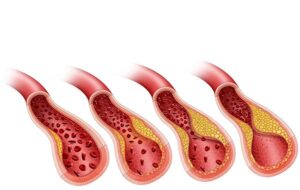
The cholesterol stages
24,50 € Add to basketCholesterol stages illustrate progressive lipid buildup in arteries,
leading to plaque formation, reduced blood flow, and increased
cardiovascular risk, often without symptoms in early stages. -
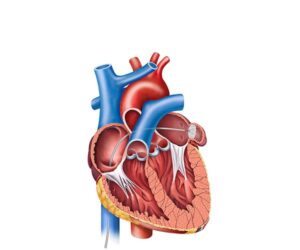
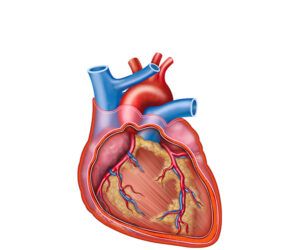
The heart appendage
24,50 € Add to basketThe heart appendage has a general function related to atrial
dynamics. Moreover, under normal conditions, it contributes to
left atrial contraction. Additionally, it may serve as a temporary
blood reservoir. -
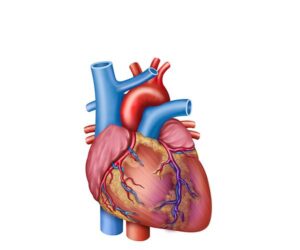
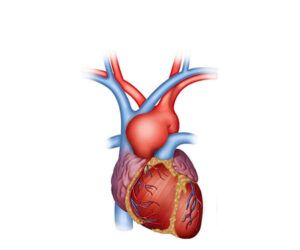
The heart attack
24,50 € Add to basketThe heart attack has an altered function in myocardial perfusion.
Moreover, under normal conditions, the coronary arteries supply
oxygen-rich blood. Additionally, the heart maintains systemic
circulation. -
The pericarditis
24,50 € Add to basketThe pericarditis has an altered function in heart protection.
Moreover, under normal conditions, the pericardium reduces
friction during heartbeats. Additionally, it allows proper
cardiac movement. -
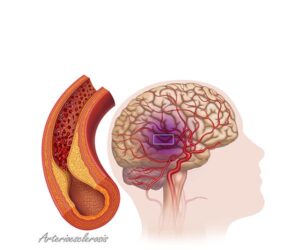
The stroke
24,50 € Add to basketThe stroke. A serious event caused by an obstruction or rupture
of brain vessels that disrupts blood flow, causing neurological
damage. Your immediate attention is key to reducing sequelae
such as loss of mobility, language, or functions. cognitive. -
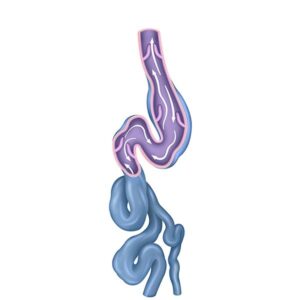
The varicose veins
24,50 € Add to basketVaricose veins are dilated and twisted veins caused by valve
dysfunction, leading to blood pooling, pain, swelling, and fatigue,
commonly affecting the legs. -
Thoracic aortic aneurysm
24,50 € Add to basketThe thoracic aortic aneurysm has an altered function in blood
circulation. Moreover, under normal conditions, the aorta
maintains its shape and strength. Additionally, it allows
continuous blood flow. -
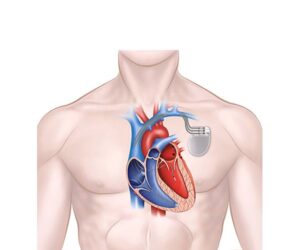
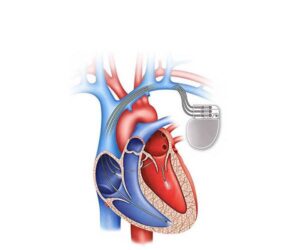
Tricameral pacemaker
24,50 € Add to basketTricameral pacemaker. This illustration shows a medical
device implanted in the heart to regulate the heart rate. The
system stimulates the atria and ventricles to coordinate the
contraction between the chambers, improving efficiency in
cases of heart failure. -
Triple chamber pacemaker
24,50 € Add to basketThe triple-chamber pacemaker has a general function in optimizing
cardiac synchronization. Moreover, under normal conditions, the
electrical system coordinates contractions. Additionally, it allows
efficient heartbeats. -
Triple chamber pacemaker
24,50 € Add to basketThe triple-chamber pacemaker plays a general role in improving
cardiac synchronization. In addition, under normal conditions,
the heart‘s electrical system coordinates the contractions. Also, it
allows for an efficient heartbeat. -
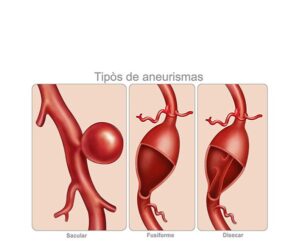
Types of aneurysms
24,50 € Add to basketTypes of aneurysms classify arterial dilations by shape and location,
including saccular, fusiform, true, and false forms, helping understand
clinical behavior, rupture risk, and treatment options.