sanguineous
Showing 49–60 of 78 results
-
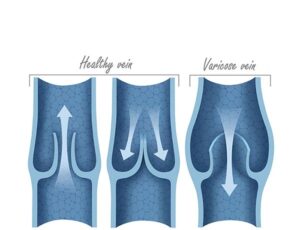
Phases of venous valves
24,50 € Add to basketPhases of venous valves. Comparison between the normal valve
and varicose veins, where the valve failure causes blood reflux,
blood accumulation, venous dilation, and symptoms such as pain,
swelling and heaviness.


-
Phases of venous valves
24,50 € Add to basketPhases of venous valves in their normal and varicose state.
This technical description details the functioning of valves in
healthy veins versus damaged ones. The text explains the
process of blood reflux, blood accumulation, and the venous
dilation that characterizes varicose veins. -
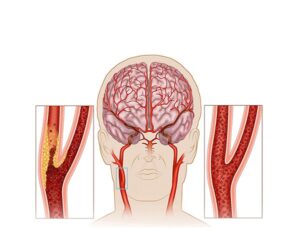
Representation of arteriosclerosis
24,50 € Add to basketRepresentation of arteriosclerosis. Illustration showing the hardening
and narrowing of the arteries due to the accumulation of fat and
cholesterol, which reduces blood flow and increases the risk of heart
attack, stroke, and other cardiovascular diseases. -
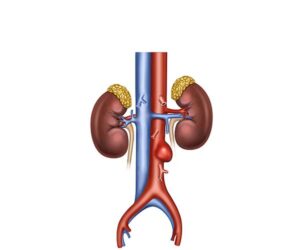
Saccular aortic aneurysm
24,50 € Add to basketSaccular abdominal aortic aneurysm is an asymmetrical dilation
and spherical on one side of the aortic wall, connected by a narrow
neck, often associated with infections or trauma. It is a serious
condition that, like fusiform aneurysms, can be asymptomatic
until it grows or breaks down. -
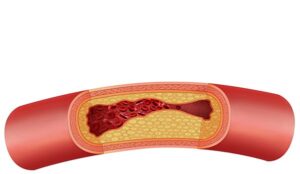
Severe hypercholesterolemia
24,50 € Add to basketSevere hypercholesterolemia involves very high cholesterol and
triglyceride levels, leading to plaque buildup, reduced blood flow,
and increased risk of heart attack and stroke, often without early
symptoms. -
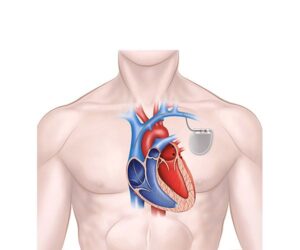
Single chamber pacemaker
24,50 € Add to basketThe single-chamber pacemaker has a general function in
regulating the heart rhythm. Moreover, under normal conditions,
the heart’s electrical system coordinates beats. Additionally, it
allows an adequate heart rate. -
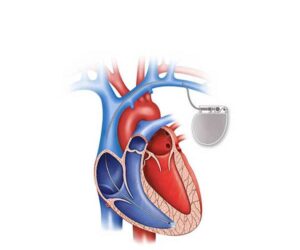
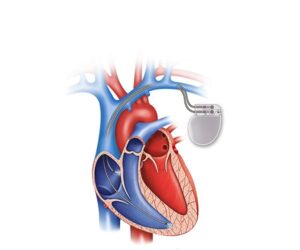
Single-chamber pacemaker
24,50 € Add to basketA single-chamber pacemaker uses one lead connected to either
the atrium or the ventricle (usually the right) to regulate the heart
rhythm. It senses electrical activity and sends pulses if the heart
beats too slowly. It is simple and effective. -
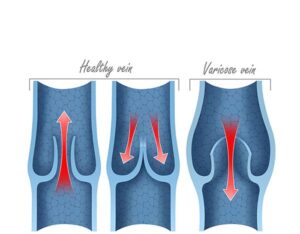
States of venous valves
24,50 € Add to basketVenous valve states. Comparison between the normal valve
and varicose veins, where the valve failure causes blood reflux,
blood accumulation, venous dilation, and symptoms such as
pain, swelling, and heaviness. -
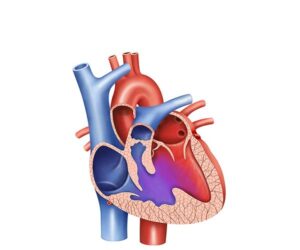
Tetralogy of Fallot
24,50 € Add to basketThe Tetralogy of Fallot has an altered function in blood oxygenation.
Moreover, under normal conditions, the heart separates oxygenated
and deoxygenated blood. Additionally, it allows efficient circulation. -
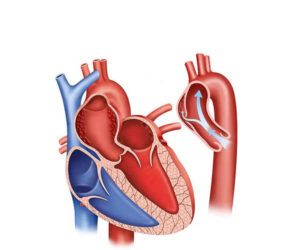
The aortic aneurysm
24,50 € Add to basketThe aortic aneurysm has an altered function in blood circulation.
Moreover, under normal conditions, the aorta maintains elasticity
and strength. Additionally, it allows continuous blood flow. -
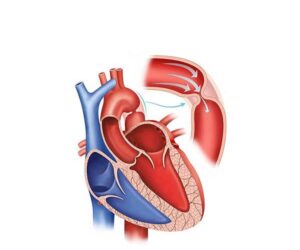
The aortic coarctation
24,50 € Add to basketThe aortic coarctation has an altered function in systemic
circulation. Moreover, under normal conditions, the aorta
allows continuous blood flow. Additionally, it distributes
oxygen and nutrients to tissues. -
The bicameral pacemaker
24,50 € Add to basketThe bicameral pacemaker serves a general function in the
regulation of the heart rhythm. In addition, under normal
conditions, the heart’s electrical system coordinates the
contractions. It also allows for efficient synchronization
between the cameras.