Gum
Showing all 12 results
-
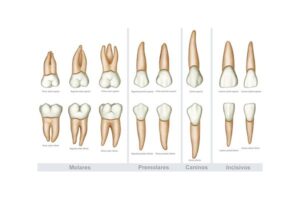
Classification of teeth
24,50 € Add to basketThe classification of teeth distinguishes incisors, canines,
premolars, and molars according to their shape and function.
Each type participates in cutting, tearing, or grinding food
during chewing.


-
Dental dentin
24,50 € Add to basketDental dentin is the mineralized tissue that forms most
of the tooth. It surrounds the pulp and contains dentinal
tubules that contribute to the sensitivity and protection
of the tooth structure. -
Dental morphology
24,50 € Add to basketDental morphology studies the shape and structure
of teeth. It analyzes how incisors, canines, premolars,
and molars are organized to perform functions in
chewing and speaking. -
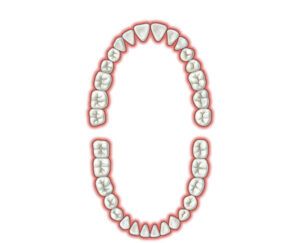
Human teeth
24,50 € Add to basketHuman teeth consist of incisors, canines,
premolars, and molars. These teeth work together
to cut, tear, and grind food during the process
of chewing. -
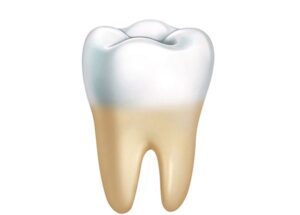
Human tooth structure
24,50 € Add to basketThe human tooth structure consists of enamel, dentin,
and pulp. Different types of teeth enable functions such as
chewing, speaking, and maintaining oral health. -
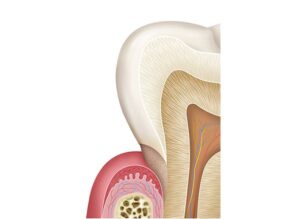
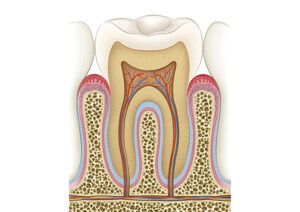
Internal molar structure
24,50 € Add to basketThe internal structure of a molar includes enamel,
dentin, and dental pulp. These tissues support chewing
and maintain tooth stability within the jawbone. -
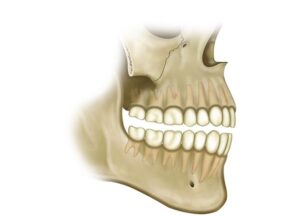
Jaw and maxilla
24,50 € Add to basketThe mandible and maxilla are facial bones that support
the teeth and enable chewing, speech, and facial stability
within the human skull. -
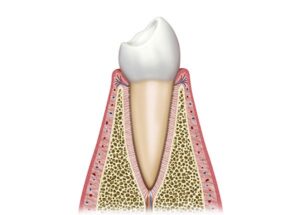
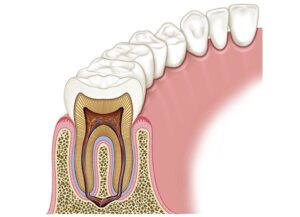
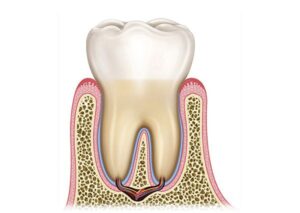
Molar and gingival structure
24,50 € Add to basketMolars are posterior teeth specialized for grinding food.
Their structure includes enamel, dentin, pulp, and roots
anchored to the jaw by the periodontal ligament. -
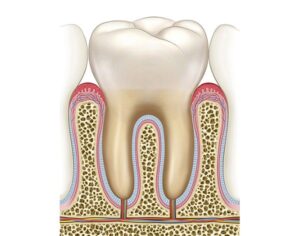
Molar tooth anatomy
24,50 € Add to basketMolar tooth anatomy is a posterior tooth specialized in
grinding food. Its structure includes enamel, dentin,
and pulp, as well as roots that attach it to the bone
via the periodontal ligament. -
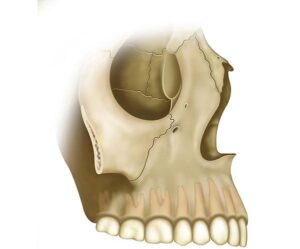
The upper jaw
24,50 € Add to basketThe maxilla is a craniofacial bone that supports the
upper teeth and contributes to the structure of the
palate, nasal cavity, and eye orbit. -
Tooth attachment
24,50 € Add to basketTooth attachment depends on the periodontium, a set of
tissues that connect the tooth root to the alveolar bone.
It includes the periodontal ligament, root cementum,
alveolar bone, and gums. -
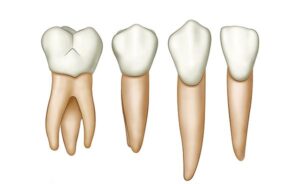
Types of teeth
24,50 € Add to basketTeeth are classified into incisors, canines, premolars,
and molars. Each type performs specific functions in
cutting, tearing, and grinding food during chewing.