Anatomy
Showing 601–612 of 678 results
-
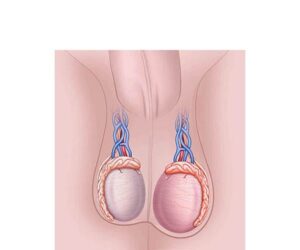
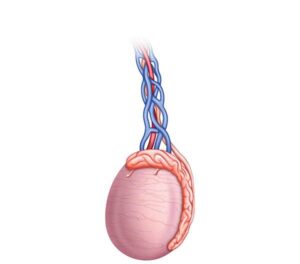
The testicular inflammation
24,50 € Add to basketTesticular inflammation or orchitis is an inflammatory response
caused by viral or bacterial infections. It leads to pain, swelling, and
tenderness. Diagnosis is clinical and ultrasound-based, and treatment
includes rest, analgesics, and antibiotics when needed.


-
The testicular inflammation
24,50 € Add to basketTesticular inflammation or orchitis is an inflammatory condition
caused by viral or bacterial infections. Moreover, it leads to pain,
swelling, and tenderness. Diagnosis is clinical and ultrasound-based,
and treatment includes rest, analgesics, and antibiotics when needed. -
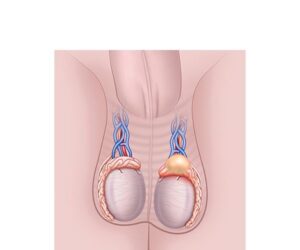
The testicular spermatocele
24,50 € Add to basketTesticular spermatocele is a benign fluid-filled cyst that forms
in the epididymis. Moreover, it is usually painless and non-cancerous,
although it may cause discomfort. Diagnosis is clinical and ultrasound
based, and treatment is only needed if symptoms are present. -
The testicular torsion
24,50 € Add to basketTesticular torsion is a medical emergency caused by the twisting
of the testis, blocking blood flow. It leads to severe pain and risk of
necrosis. Diagnosis is clinical and ultrasound-based, and urgent
surgery is required to preserve testicular function. -
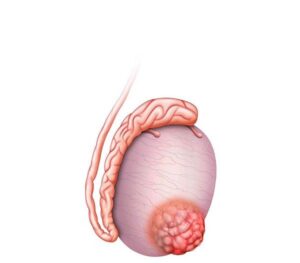
The testicular tumor
24,50 € Add to basketTesticular tumors may be benign or malignant, with testicular
cancer being common in young men. It presents as a mass or
enlargement. Diagnosis includes ultrasound and tumor markers,
and treatment usually involves surgery and additional therapies. -
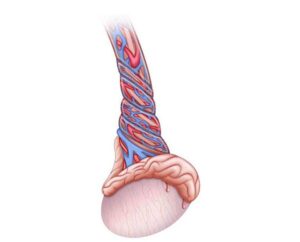
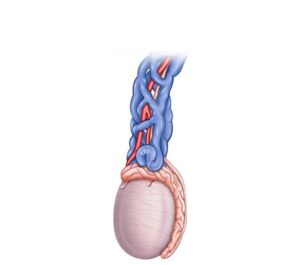
The testicular varicocele
24,50 € Add to basketTesticular varicocele is an abnormal dilation of the pampiniform
plexus veins. It increases scrotal temperature and affects sperm quality.
Diagnosis is clinical and ultrasound-based, while treatment depends on
symptoms and fertility goals. -
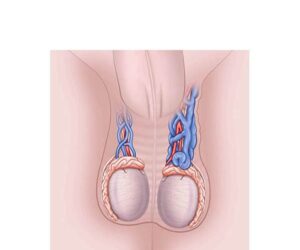
The testicular varicocele
24,50 € Add to basketTesticular varicocele is an abnormal dilation of the pampiniform
plexus veins that disrupts blood drainage. It increases testicular
temperature and impairs sperm quality. Diagnosis is clinical and
ultrasound-based, and treatment depends on symptoms and
fertility goals. -
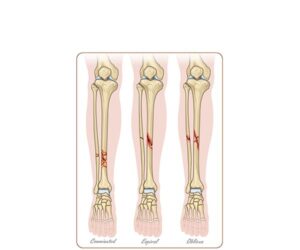
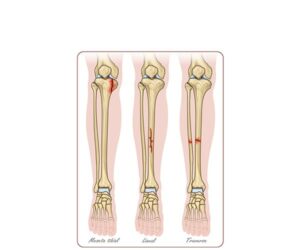
The tibia bone fractures
24,50 € Add to basketTibia bone fractures include comminuted, spiral, and oblique
patterns depending on fracture type. Moreover, they cause pain,
swelling, and deformity, reflecting different injury mechanisms and
levels of bone damage. -
The tibial bone fractures are
24,50 € Add to basketTibial bone fractures include linear and transverse breaks, often
affecting the tibial plateau. Moreover, they can compromise knee
stability, causing pain, swelling, and limited mobility depending on
the fracture pattern. -
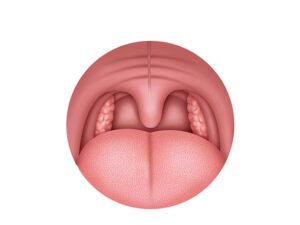
The tonsils
24,50 € Add to basketThe tonsils are lymphoid organs located in the throat
that help protect the body against bacteria and viruses.
They are part of the immune system and participate in
the defense against infections. -
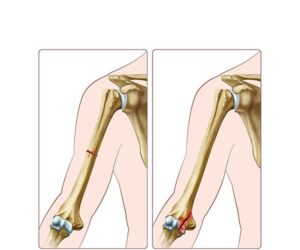
The transverse and distal fracture
24,50 € Add to basketTransverse and distal fractures involve horizontal bone breaks
or injuries at the lower end of the humerus. Moreover, it may affect
the elbow joint, causing pain, swelling, and functional limitation.
Clinical and imaging evaluations are essential. -
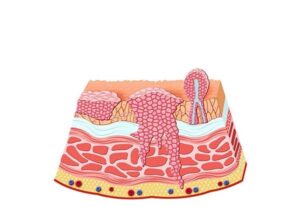
The types of bladder cancer
24,50 € Add to basketTypes of bladder cancer include transitional cell carcinoma,
squamous cell carcinoma, and adenocarcinoma. Moreover, they vary
in aggressiveness and progression. Symptoms include hematuria and
urinary changes, and diagnosis involves cystoscopy and biopsy.