Anatomy
Showing 577–588 of 678 results
-
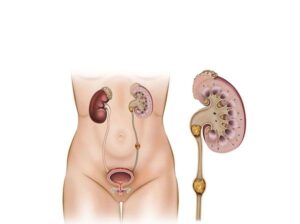
The renal ureteral stone
24,50 € Add to basketRenal ureteral stone is a solid deposit that forms in the kidney
and may move into the ureter, causing severe pain. Moreover, it can
be treated with ureteroscopy and laser fragmentation. Diagnosis is
imaging-based, and treatment depends on size and location.


-
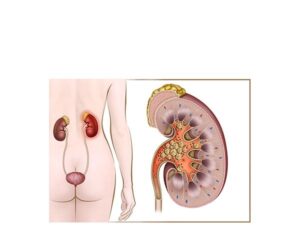
The renal urolithiasis
24,50 € Add to basketLorem Ipsum es simplemente el texto de relleno de las imprentas
y archivos de texto. Lorem Ipsum ha sido el texto de relleno estándar
de las industrias desde el año 1500, cuando un impresor (N. del T
persona que se dedica a la imprenta) desconocido usó -
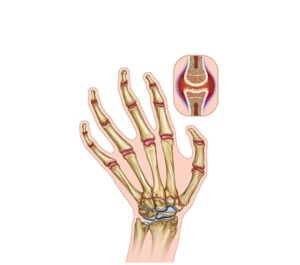
The rheumatoid arthritis hand
24,50 € Add to basketRheumatoid arthritis of the hand is an autoimmune condition
affecting finger joints, causing pain, swelling, and deformity. Moreover,
it can limit mobility. Treatment includes disease-modifying drugs, anti-
inflammatory therapy and physical rehabilitation. -
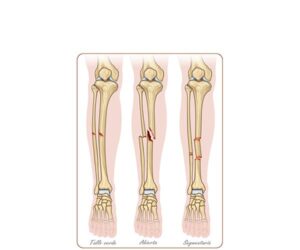
The segmental and open fractures
24,50 € Add to basketSegmental and open fractures are complex bone injuries
involving multiple fragments or bone exposure. Moreover, they
may include incomplete fractures such as greenstick type,
reflecting different levels of structural damage and trauma severity. -
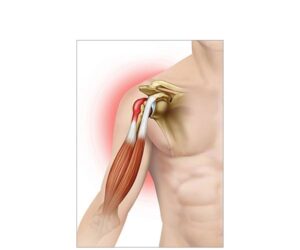
The shoulder tendinitis
24,50 € Add to basketShoulder tendinitis is inflammation of the rotator cuff tendons
caused by overuse, injury, or aging. Moreover, it leads to pain,
stiffness, and reduced mobility, affecting shoulder function and
daily activities. -
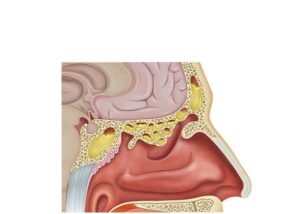
The sinus inflammation
24,50 € Add to basketThe sinus inflammation has an altered function in sinus
ventilation. Moreover, under normal conditions, these cavities
are air-filled. Additionally, mucus drains properly into the
nasal cavity. -
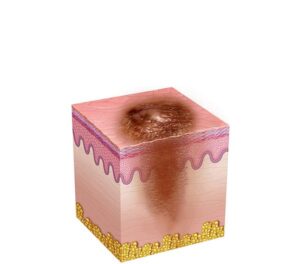
The skin carcinoma
24,50 € Add to basketSkin carcinoma is a cutaneous cancer originating in the epidermis,
characterized by abnormal cell growth and lesion formation. Moreover,
it presents changes in texture, color, and structure, reflecting malignant
skin alterations. -
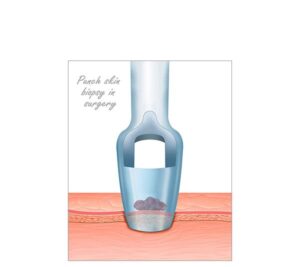
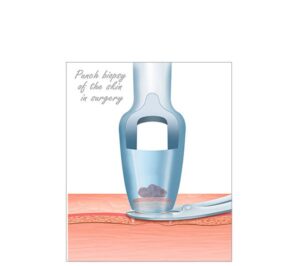
The skin punch biopsy
24,50 € Add to basketSkin punch biopsy is a diagnostic procedure that extracts a
cylindrical skin sample for analysis. Moreover, it helps evaluate
skin lesions, tumors, and dermatological conditions through
histological examination. -
The skin punch extraction
24,50 € Add to basketSkin punch extraction is a diagnostic procedure that removes a
cylindrical skin sample for analysis. Moreover, it helps evaluate skin
lesions, tumors, and dermatological conditions through detailed
histological examination. -
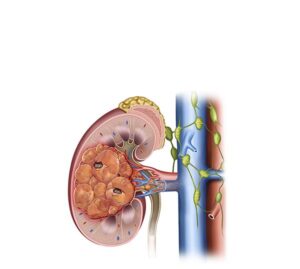
The stage 2 kidney cancer
24,50 € Add to basketStage 2 kidney cancer is an intermediate stage where the tumor
remains within the kidney without distant spread. Moreover, it may
cause pain or hematuria. Diagnosis is imaging-based, and treatment
usually involves surgery and clinical follow-up. -
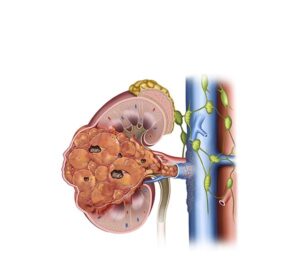
The stage 3 kidney cancer
24,50 € Add to basketStage 3 kidney cancer is a locally advanced tumor that invades nearby
tissues, lymph nodes, or blood vessels. Moreover, it may cause pain,
hematuria, and fatigue. Treatment includes surgery and systemic therapies
depending on the tumor extent. -
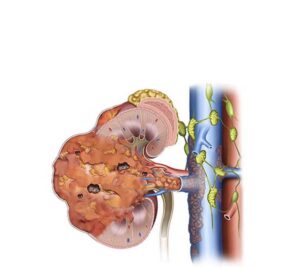
The stage 4 kidney cancer
24,50 € Add to basketStage 4 kidney cancer is an advanced stage where the tumor spreads
beyond the kidney to the lymph nodes and distant organs. Moreover, it
may cause pain, hematuria, and weight loss. Treatment includes targeted
therapy, immunotherapy, and sometimes surgery.