Anatomy
Showing 541–552 of 678 results
-
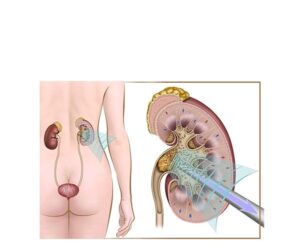
The kidney stone removal
24,50 € Add to basketKidney stone removal is a procedure to eliminate stones from
the kidney or ureter. Moreover, it may involve shock wave lithotripsy
or endoscopic techniques. It fragments stones and allows natural
elimination, reducing pain and urinary complications.


-
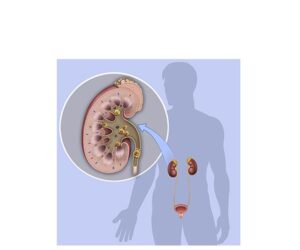
The kidney stones
24,50 € Add to basketKidney stones are solid deposits formed by minerals and salts in the
kidneys. Moreover, they can cause severe pain when moving through the
urinary tract. Risk factors include dehydration and diet, and prevention
involves proper hydration and healthy habits. -
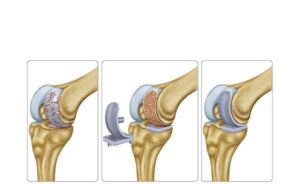
The knee joint replacement
24,50 € Add to basketKnee joint replacement is a surgical procedure that replaces
damaged joint surfaces with a prosthesis. Moreover, it relieves pain
and improves mobility in advanced osteoarthritis. Indication depends
on age, health status, and severity of joint damage. -
The knee joint wear
24,50 € Add to basketKnee joint wear is a degenerative condition causing cartilage loss,
pain, swelling, and reduced mobility. Moreover, it may affect daily
activities. Treatment includes physical therapy, medications, and, in
advanced cases, surgical intervention. -
The knee osteoarthritis
24,50 € Add to basketKnee osteoarthritis is a degenerative joint disease causing cartilage
wear, pain, stiffness, and reduced mobility. Moreover, it may lead to
inflammation and crepitus. Treatment includes physical therapy,
medications, and, in severe cases, joint replacement surgery. -
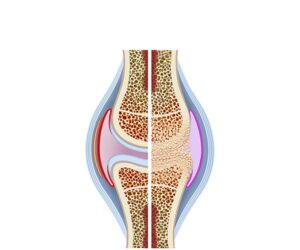
The knee with ankylosis
24,50 € Add to basketKnee with ankylosis is a condition where the joint bones fuse, causing
severe stiffness and loss of mobility. Moreover, it may result from
inflammation, trauma, or infection. Treatment includes physical therapy,
medication, and, in advanced cases, surgery. -
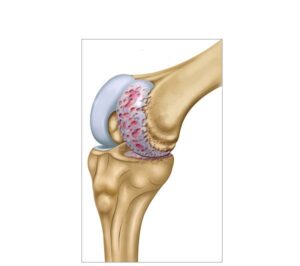
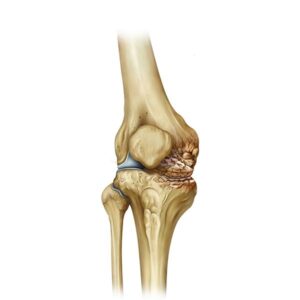
The knee with osteoarthritis
24,50 € Add to basketKnee with osteoarthritis is a degenerative joint condition causing
cartilage loss, pain, swelling, and stiffness. Moreover, it limits mobility.
Treatment includes physical therapy, medications, and, in advanced
cases, joint replacement surgery. -
The knee with osteoarthritis
24,50 € Add to basketKnee with osteoarthritis is a degenerative joint condition
causing cartilage wear, pain, stiffness, and swelling. Moreover,
it limits mobility and affects daily life. Treatment includes
physical therapy, medications, and, in advanced cases, surgery. -
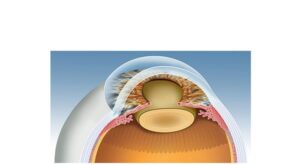
The lens opacity
24,50 € Add to basketLens opacity in cataracts. Loss of transparency in the eye
lens blocks light reaching the retina, causing blurred vision,
glare, and difficulty distinguishing colors. -
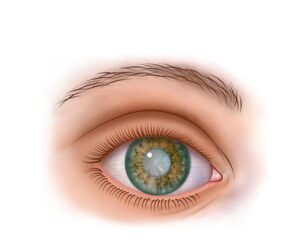
The lens with cataracts
24,50 € Add to basketLens opacity. This is the characteristic of an eye with cataracts,
characterized by an opaque lens that hinders the passage of light
to the retina. The lens, which is normally transparent, becomes
cloudy due to the accumulation of proteins, causing blurred vision. -
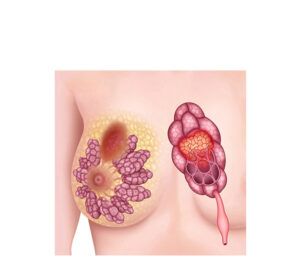
The lobular cancer
24,50 € Add to basketLobular cancer. This tumor originates in the breast lobules and
may not form lumps, making detection difficult. Includes forms
in situ and invasive, with a risk of dissemination and the need for
early diagnosis. -
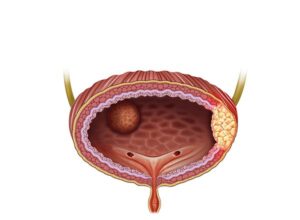
The malignant bladder tumors
24,50 € Add to basketMalignant bladder tumors are abnormal cell growths with invasive
and metastatic potential. Moreover, they may cause hematuria, urinary
changes, and pelvic pain. Diagnosis includes cystoscopy and biopsy, and
treatment depends on tumor stage and progression.