Anatomy
Showing 505–516 of 678 results
-
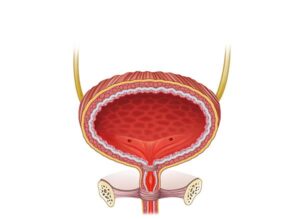
The cystitis urinary infection
24,50 € Add to basketCystitis is a bacterial urinary infection that causes pain, urgency,
and frequent urination. Moreover, it is more common in women.
Diagnosis is based on urine tests, and treatment includes antibiotics
hydration, and symptom relief.


-
The diabetic nephropathy
24,50 € Add to basketDiabetic nephropathy is a kidney complication caused by vascular
damage from high blood sugar. Moreover, it may lead to proteinuria,
edema, and kidney failure. Management includes glycemic control,
blood pressure regulation, and lifestyle changes. -
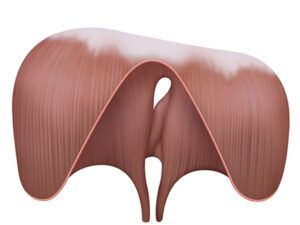
The diaphragm muscle
24,50 € Add to basketThe diaphragm muscle is a dome-shaped structure located under
the lungs. It separates the thoracic cavity from the abdominal cavity
and is essential for breathing. Its contraction allows air intake, and
its relaxation facilitates air expulsion during the biological
respiratory cycle. -
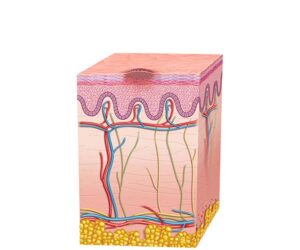
The early melanoma stage
24,50 € Add to basketEarly melanoma stage is the initial phase of skin cancer,
characterized by changes in moles such as asymmetry, irregular
borders, and color variation. Moreover, it reflects early melanocyte
alterations without metastasis. -
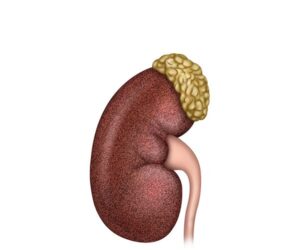
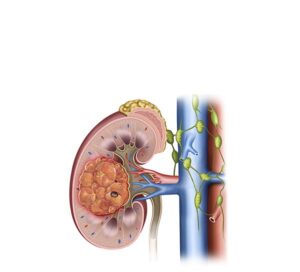
The early stage kidney cancer
24,50 € Add to basketEarly stage kidney cancer is a localized tumor confined to the
kidney without metastasis. Moreover, it may be asymptomatic or
cause mild hematuria. Diagnosis is imaging-based, and treatment
usually involves surgery, improving outcomes with early detection. -
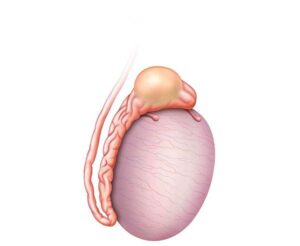
The epididymal testicular cyst
24,50 € Add to basketThe epididymal testicular cyst is a benign fluid-filled cavity located
in the epididymis. It may affect sperm storage and transport. It is usually
asymptomatic, diagnosed by ultrasound, and treated only if it causes
discomfort. -
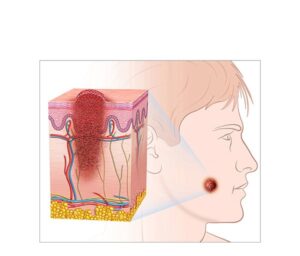
The facial skin cancer
24,50 € Add to basketFacial skin cancer is a skin neoplasm affecting the face, characterized
by lesions with changes in color, shape, and size. Moreover, it is associated
with ultraviolet damage and genetic factors, altering skin structure. -
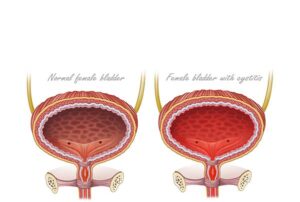
The female bladder with cystitis
24,50 € Add to basketFemale bladder with cystitis is bladder inflammation usually
caused by bacterial infection. Moreover, it leads to painful urination,
urgency, and frequency. Diagnosis is based on urine tests, and
treatment includes antibiotics and preventive measures. -
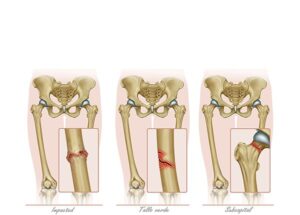
The femoral fractures
24,50 € Add to basketFemoral fractures include impacted, subcapital, and greenstick
types. Moreover, they affect bone structure and may cause pain,
deformity, and functional limitation depending on fracture location
and mechanism. -
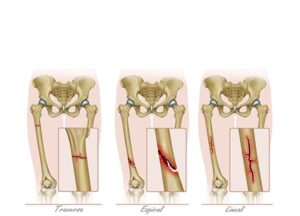
The femur bone fractures
24,50 € Add to basketFemur bone fractures include transverse, spiral, and linear
patterns depending on fracture direction. Moreover, they cause
pain, swelling, and deformity, reflecting different injury mechanisms
and levels of structural damage. -
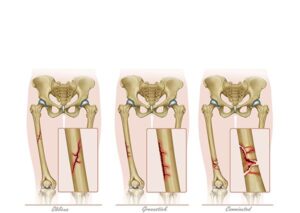
The femur bone fractures
24,50 € Add to basketFemur bone fractures include oblique, greenstick, and
comminuted patterns. Moreover, they reflect different injury
mechanisms, from partial bending to multiple fragments,
causing pain, swelling, and functional limitation. -
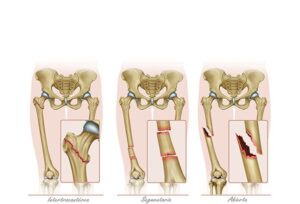
The femur bone injuries
24,50 € Add to basketFemur bone injuries include intertrochanteric, segmental, and
open fractures. Moreover, they affect bone stability and may cause
severe pain, deformity, and functional limitation, reflecting different
levels of structural damage.