Breathing
Showing 25–36 of 125 results
-
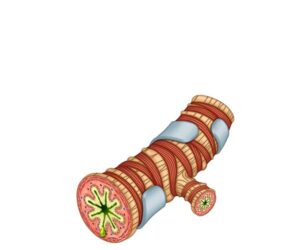
Bronchial asthma
24,50 € Add to basketBronchial asthma causes inflammation, mucus, and contraction.
muscle in the bronchi. In this condition, the bronchial structure
is significantly altered. This narrows the airways and makes it
difficult to breathe and the flow of air.


-
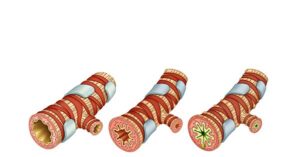
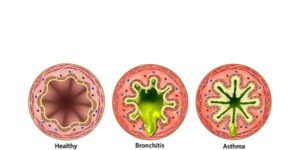
Bronchial duct phases
24,50 € Add to basketThe phases of bronchial ducts show a healthy bronchus, one
with bronchitis, and another with asthma. Each condition
presents inflammation, mucus, or constriction, altering airflow
and breathing. -
Bronchial ducts
24,50 € Add to basketThe bronchial tubes transport air to the lungs. In conditions such
as bronchitis and asthma, they exhibit inflammation, mucus, or
constriction, altering airflow, and breathing. -
Bronchial inflammation
24,50 € Add to basketBronchial inflammation. It represents the narrowing of the bronchi
due to inflammation, excess mucus, and contraction of the smooth
muscle, causing respiratory difficulty, cough, and wheezing in
pulmonary diseases. -
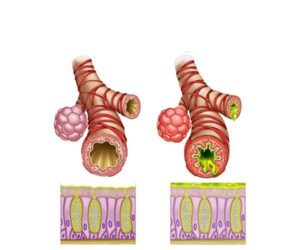
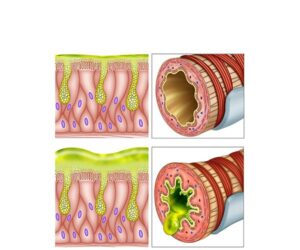
Bronchial inflammation diagram
24,50 € Add to basketBronchial inflammation diagram. Compare a healthy bronchus
with an inflamed one, showing excess mucus, activation of cells
goblet cells and muscle contraction, which causes narrowing
and respiratory difficulty. -
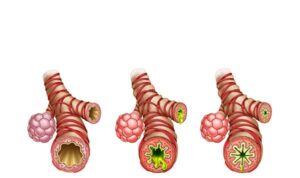
Bronchial stages
24,50 € Add to basketStages of bronchi. It represents the comparison between a healthy
bronchus, one with bronchitis, and another with asthma, showing
inflammation, excess mucus, and bronchoconstriction that affect
the airflow. -
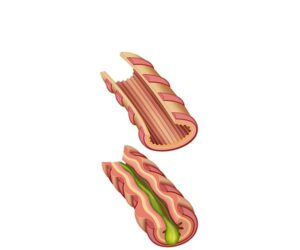
Bronchial walls in asthma
24,50 € Add to basketBronchial walls with asthma exhibit inflammation, mucus, and
muscle contraction. The bronchi are essential conduits for the
passage of air to the lungs. This situation causes narrowing
of the airways and hinders airflow. -
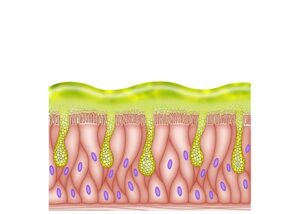
Bronchitis and mucosal alteration
24,50 € Add to basketBronchitis and mucosal alteration. It represents bronchial
inflammation and the overproduction of mucus by goblet cells,
which causes airway obstruction, persistent cough, and
respiratory difficulty. -
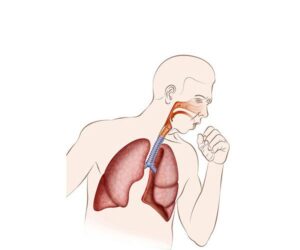
Bronchopulmonary inflammation
24,50 € Add to basketBronchopulmonary inflammation is caused by irritants or
infections, leading to mucus buildup and airway narrowing,
which results in coughing and breathing difficulty. -
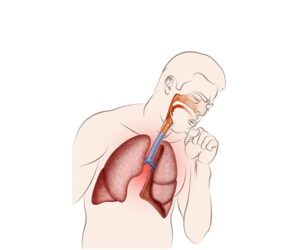
Bronchopulmonary irritation
24,50 € Add to basketBronchopulmonary irritation. It represents the inflammation
of bronchi and lungs with mucus production, causing cough,
respiratory difficulty and discomfort, generally associated with
infections or exposure to irritants. -
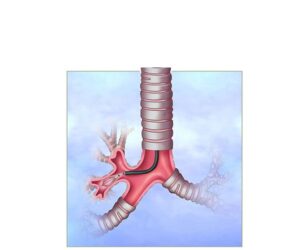
Bronchoscopy exam
24,50 € Add to basketThe bronchial tubes transport air to the lungs. In conditions such
as bronchitis and asthma, they exhibit inflammation, mucus, or
constriction, altering airflow, and breathing. -
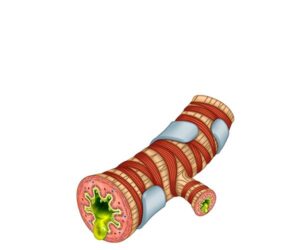
Bronchus with bronchitis
24,50 € Add to basketThe bronchus with bronchitis presents inflammation, excess
mucus, and muscle contraction. The bronchus with bronchitis
shows structural changes that affect airflow. This narrows the
airways and makes breathing difficult.