Breathing
Showing 109–120 of 125 results
-
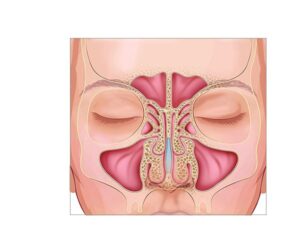
The paranasal sinuses
24,50 € Add to basketParanasal sinuses: air-filled cavities in the skull that reduce
its weight, enhances voice resonance and helps filter, humidify,
and protect the respiratory system through mucus production.


-
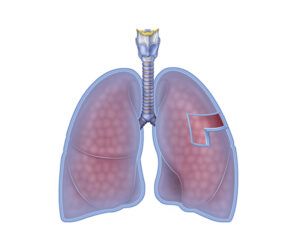
The pulmonary pleura
24,50 € Add to basketThe pulmonary pleura is a membrane that surrounds
the lungs and allows smooth movement during breathing.
Its layers and pleural fluid reduce friction and protect
lung structures. -
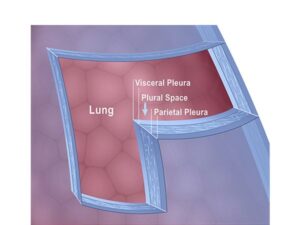
The pulmonary pleura illustration
24,50 € Add to basketThe pulmonary pleura illustration shows the membrane
surrounding the lungs, including the visceral and parietal
pleura and the pleural cavity, which allows smooth lung
movement during breathing. -
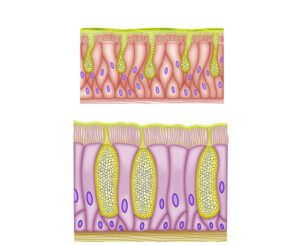
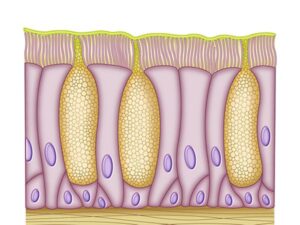
The respiratory epithelium
24,50 € Add to basketThe respiratory epithelium lines the airways, such
as the trachea and bronchi. It produces mucus and
contains cilia that help protect, clean, and humidify the
air entering the respiratory system. -
The respiratory mucous membrane
24,50 € Add to basketThe respiratory mucous membrane lines the
trachea and bronchi, producing mucus and using
cilia to clean, protect, and humidify the air entering
the respiratory system. -
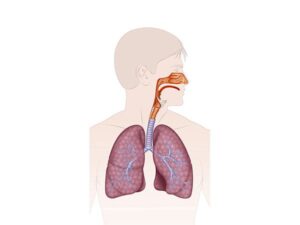
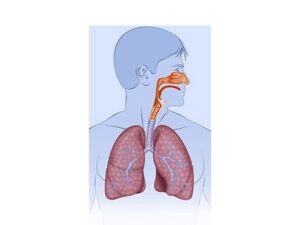
The respiratory system
24,50 € Add to basketThe respiratory system allows the body to obtain oxygen
and remove carbon dioxide. Moreover, its organs work
together to keep the body balanced. Therefore, understanding
how breathing works helps protect respiratory health. -
The Respiratory System
24,50 € Add to basketThe respiratory system includes organs such as the
nose, pharynx, larynx, trachea, bronchi, and lungs.
These structures allow the exchange of oxygen and
carbon dioxide during breathing. -
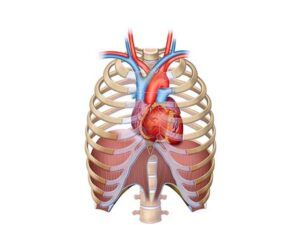
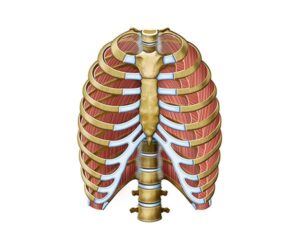
The rib cage
24,50 € Add to basketThe rib cage is a skeletal structure made of ribs,
sternum, and thoracic vertebrae. It protects the
heart and lungs while supporting breathing
movements. -
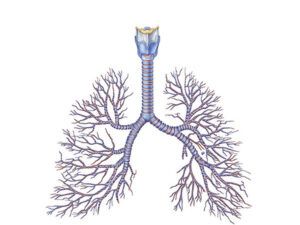
The structure of the bronchi
24,50 € Add to basketThe structure of the bronchi shows how these airways
carry air from the trachea into the lungs, branching into
secondary bronchi and bronchioles to distribute air
throughout the respiratory system. -
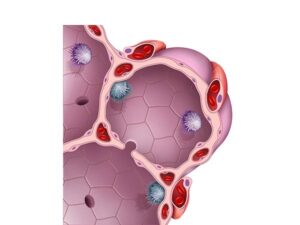
The structure of the pulmonary alveolus
24,50 € Add to basketThe structure of the pulmonary alveolus consists
of tiny air sacs surrounded by blood capillaries. These
structures allow the exchange of oxygen and carbon
dioxide, a vital process for breathing and body function. -
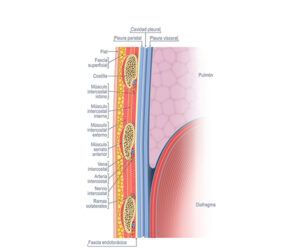
The thoracic cavity layers
24,50 € Add to basketThoracic cavity layers include skin, subcutaneous tissue,
intercostal muscles, ribs, and costal cartilage. Together, they
protect the heart and lungs while supporting breathing
movements. -
The thoracic cavity muscles
24,50 € Add to basketThoracic cavity muscles assist breathing by moving the
ribs and diaphragm. They support lung expansion and
protect vital organs such as the heart, lungs, trachea,
and major blood vessels.