Breathing
Showing 73–84 of 125 results
-
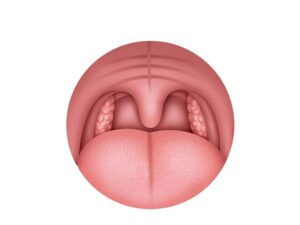
Palatine tonsils
24,50 € Add to basketPalatine tonsils: lymphoid organs in the oropharynx that
are part of the immune system, filtering bacteria and viruses
and helping protect the body from infections.


-
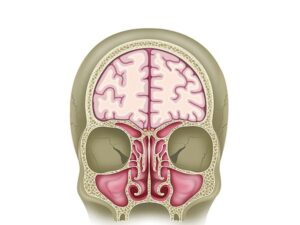
Paranasal sinuses coronal plane
24,50 € Add to basketParanasal sinuses in the coronal plane: shows the frontal sinus
in the forehead, its connection to the nasal cavity, and its roles
in voice resonance, skull protection, and air conditioning. -
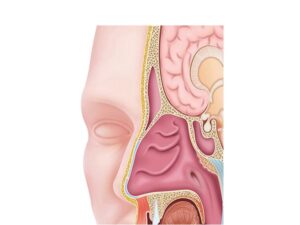
Pharynx anatomy
24,50 € Add to basketPharynx anatomy: a muscular tube in the neck connecting
the nasal and oral cavities with the larynx and esophagus,
enabling breathing, swallowing, and contributing to
phonation. -
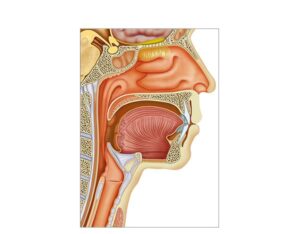
Pharynx and larynx anatomy
24,50 € Add to basketPharynx and larynx anatomy: structures connecting the oral
and nasal cavities with the esophagus and larynx, enabling
breathing, swallowing, and voice production. -
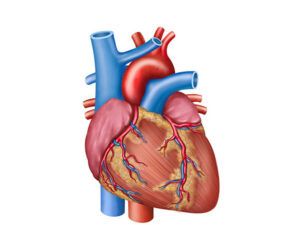
Physiology of the heart
24,50 € Add to basketThe physiology of the heart explains how blood circulates
through the body. Deoxygenated blood travels to the lungs
for oxygenation, then oxygenated blood returns to the heart
and is pumped through the aorta to supply tissues. -
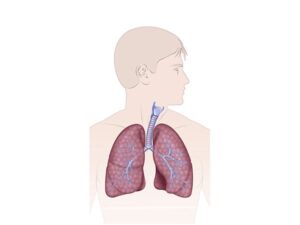
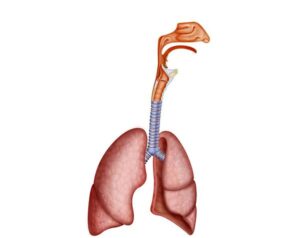
Pulmonary anatomy
24,50 € Add to basketPulmonary anatomy illustrates the structure and position
of the lungs within the thoracic cavity. It includes bronchi,
bronchioles, and alveoli, which enable oxygen and carbon
dioxide exchange. -
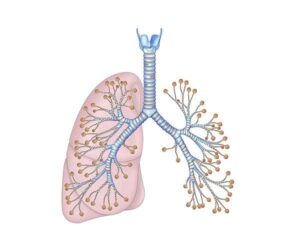
Pulmonary bronchial branching
24,50 € Add to basketPulmonary bronchial branching shows how the trachea
divides into primary bronchi, which then branch into
secondary bronchi and bronchioles to distribute air
throughout the lungs. -
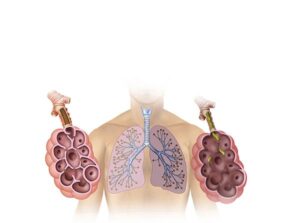
Pulmonary emphysema
24,50 € Add to basketPulmonary emphysema is a chronic disease that destroys
the alveoli and reduces lung elasticity. This makes it difficult
to breathe, decreases gas exchange, and causes dyspnea
and progressive fatigue. -
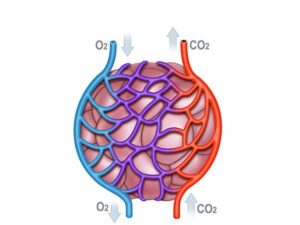
Pulmonary hematosis
24,50 € Add to basketPulmonary hematosis is the process of gas exchange
in the lungs. It allows oxygen to enter the blood while carbon
dioxide is removed during breathing. -
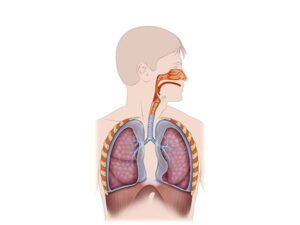
Pulmonary respiration
24,50 € Add to basketPulmonary respiration is the process by which the body
takes oxygen from the air and removes carbon dioxide.
This exchange of gases occurs in the lungs and supports
normal cellular function. -
Pulmonary respiration
24,50 € Add to basketPulmonary respiration is the process by which air
passes through the pharynx, trachea, bronchi, and
bronchioles to reach the lungs, where gas exchange
occurs. -
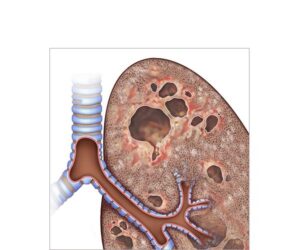
Pulmonary tuberculosis infection
24,50 € Add to basketPulmonary tuberculosis is a bacterial infection that damages
the lungs. It causes lesions, hinders gas exchange, and generates
symptoms such as persistent cough, fever, and fatigue.
Early detection and adherence to treatment are essential to avoid
complications.