Breathing
Showing 49–60 of 125 results
-
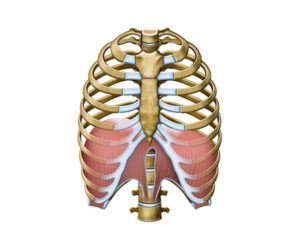
Diaphragm and ribs
24,50 € Add to basketThe diaphragm and ribs work together during breathing.
The diaphragm controls thoracic volume, while the ribs
and intercostal muscles allow the chest to expand and
contract during inhalation and exhalation.


-
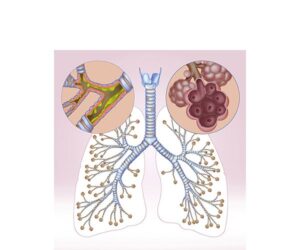
Emphysema and bronchitis
24,50 € Add to basketEmphysema and bronchitis are COPD diseases that affect the
bronchi and alveoli. They cause inflammation, damage structural
and airway obstruction, making breathing difficult. -
Emphysema and chronic bronchitis
24,50 € Add to basketLorem Ipsum es simplemente el texto de relleno de las imprentas
y archivos de texto. Lorem Ipsum ha sido el texto de relleno estándar
de las industrias desde el año 1500, cuando un impresor (N. del T
persona que se dedica a la imprenta) desconocido usó -
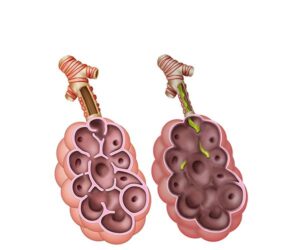
Emphysema pulmonary condition
24,50 € Add to basketEmphysema is a chronic lung condition that destroys the
alveoli and reduces their elasticity. This makes breathing
difficult, affects gas exchange, and causes dyspnea and
progressive fatigue. -
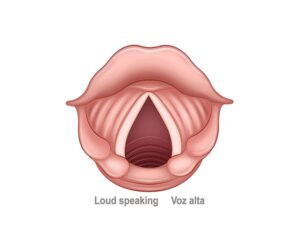
Forced phonation
24,50 € Add to basketForced phonation: excessive voice use increases pressure
on the vocal cords, leading to fatigue, irritation, or injury,
affecting voice quality without proper vocal techniques. -
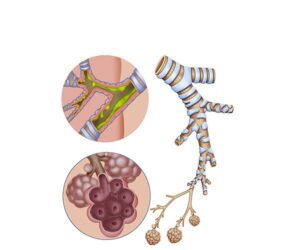
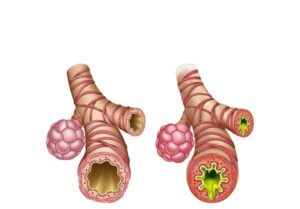
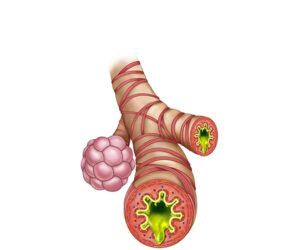
Healthy bronchus and bronchitis
24,50 € Add to basketHealthy bronchus and bronchitis. Compare a normal airway
with another inflamed by chronic bronchitis, showing excess
mucus, muscle contraction, and narrowing, which causes
difficulty respiratory and a persistent cough. -
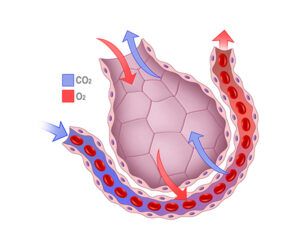
Hematose gas exchange
24,50 € Add to basketHematose gas exchange is the process in the
alveoli, where oxygen enters the blood and carbon
dioxide is removed during breathing. -
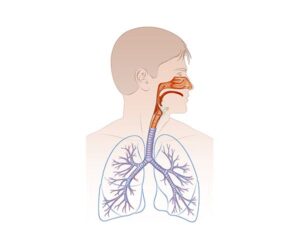
Human respiration
24,50 € Add to basketHuman respiration is a vital process that allows oxygen
to enter the lungs and carbon dioxide to leave the body. It
begins with inhalation through the airways and continues
with gas exchange in the alveoli. -
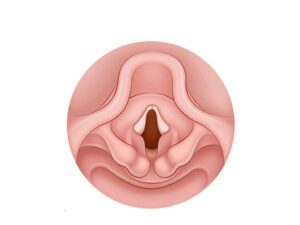
Infant vocal cords
24,50 € Add to basketInfant vocal cords: small, delicate structures in the larynx
that allow sound production, crying, and early language
development in babies. -
Inflamed bronchi
24,50 € Add to basketInflamed bronchi present mucus, thickening, and muscle
contraction that narrow the airways. This makes it difficult
for air to flow and causes coughing, congestion, and difficulty
breathing. -
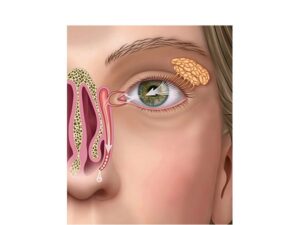
Lacrimal glands
24,50 € Add to basketLacrimal glands: structures in the upper outer eye that produce
tears, lubricate the ocular surface, remove particles, and protect
against infections with substances like antibodies. -
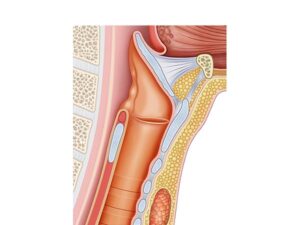
Larynx anatomy
24,50 € Add to basketLarynx anatomy: an organ of the respiratory system with vocal
cords, cartilages, and epiglottis that regulate airflow, produce voice,
and protect the airways.