Breathing
Showing 97–108 of 125 results
-
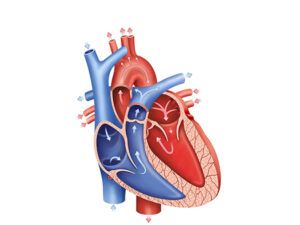
The cardiac blood circulation
24,50 € Add to basketCardiac blood circulation describes how blood flows from
the heart to the lungs and back to the body. This process
delivers oxygen and nutrients to tissues while supporting
normal cellular function.


-
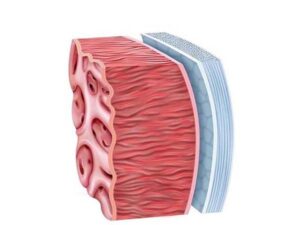
The cardiac layers
24,50 € Add to basketCardiac layers include the pericardium, myocardium,
and endocardium. These structures protect the heart,
generate contractions, and line the heart chambers to
support efficient blood circulation. -
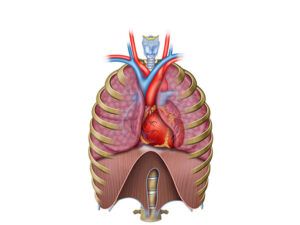
The cardiorespiratory system
24,50 € Add to basketThe cardiorespiratory system combines the heart and
lung function to circulate oxygen, remove carbon dioxide,
and support cellular metabolism and overall body balance. -
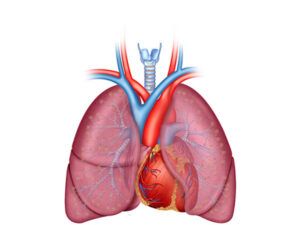
The cardiorespiratory system
24,50 € Add to basketThe cardiorespiratory system combines the heart and lung
function to circulate oxygen, remove carbon dioxide,
and maintain physiological balance essential for cellular
activity. -
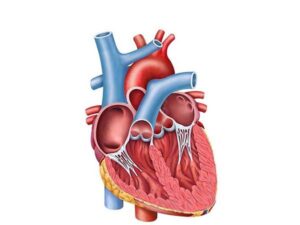
The heart in the sagittal plane
24,50 € Add to basketThe heart in the sagittal plane shows the heart divided
into right and left halves. This view highlights the atria,
ventricles, and heart valves, helping explain cardiac
anatomy and blood flow through the chambers. -
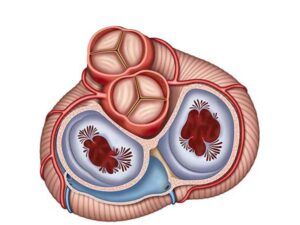
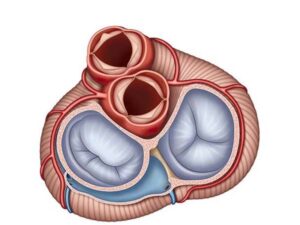
The heart valves
24,50 € Add to basketHeart valves regulate blood flow within the heart. The
mitral, tricuspid, aortic, and pulmonary valves open and
close during each heartbeat to ensure one-way blood flow
circulation through the heart and major arteries. -
The heart valves
24,50 € Add to basketHeart valves regulate blood flow inside the heart.
The mitral, tricuspid, aortic, and pulmonary valves
open and close during each heartbeat to maintain
one-way circulation. -
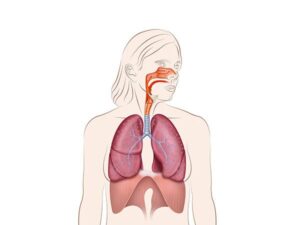
The human respiratory system
24,50 € Add to basketThe human respiratory system includes the lungs, bronchi,
trachea, and diaphragm. These organs work together to
transport air and allow oxygen and carbon dioxide exchange. -
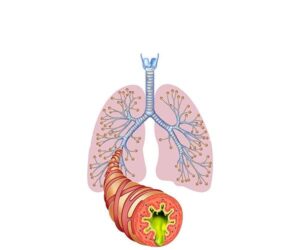
The inflamed bronchus
24,50 € Add to basketThe inflamed bronchus. It represents the inflammation of the
bronchial tubes with mucus accumulation, causing persistent
cough, respiratory difficulty, and reduced airflow, common in
acute bronchitis following viral infections. -
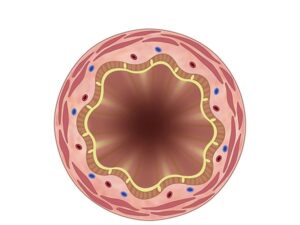
The layers of the bronchial
24,50 € Add to basketThe layers of the bronchial wall include mucosa,
submucosa, smooth muscle, hyaline cartilage,
and adventitia. Together, they protect the airways and
regulate airflow to the lungs. -
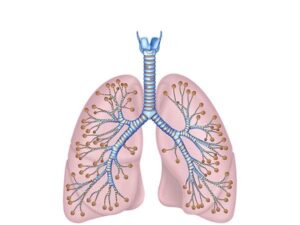
The lungs and the bronchial
24,50 € Add to basketThe lungs and the bronchial tree form a network
of airways where the trachea divides into bronchi,
secondary bronchi and bronchioles, allowing air
to reach the alveoli for gas exchange. -
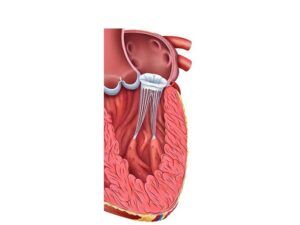
The mitral valve
24,50 € Add to basketThe mitral valve regulates blood flow between the left
atrium and the left ventricle. Its opening and closing during
the cardiac cycle ensure one-way blood circulation through
the heart.