Disorders
Showing 25–36 of 72 results
-
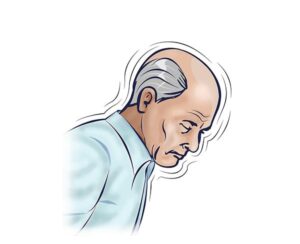
Head tremor in Parkinson’s disease
24,50 € Add to basketThe head tremor in Parkinson’s disease has an altered function
in motor control. Moreover, under normal conditions, dopamine
regulates voluntary movements. Additionally, it allows smooth
and coordinated execution.


-
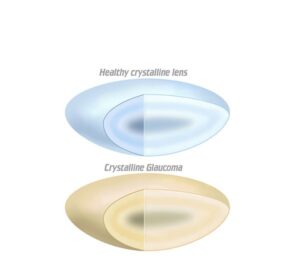
Healthy and cataract lens
24,50 € Add to basketA healthy eye lens and another affected by cataracts. In a healthy
eye, the lens is clear, allowing light to pass to the retina without
obstruction. In contrast, a lens with cataracts looks cloudy, making
vision difficult and causing blur. -
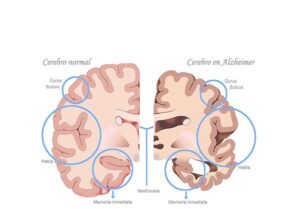
Healthy brain vs Alzheimer’s brain
24,50 € Add to basketThe healthy brain vs Alzheimer’s brain has an altered function
in the nervous system. Moreover, under normal conditions, neurons
maintain efficient communication. Additionally, they support learning
and memory. -
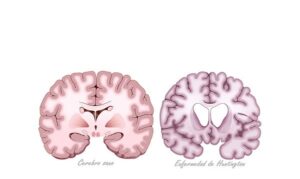
Huntington’s disease
24,50 € Add to basketHuntington’s disease has an altered function in the nervous system.
Moreover, under normal conditions, neurons maintain efficient
communication. Additionally, they support motor control and cognitive
functions. -
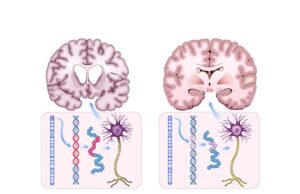
Huntington’s disease and chromosome 4
24,50 € Add to basketHuntington’s disease and chromosome 4 have an altered function
in neuronal genetic regulation. Moreover, under normal conditions,
the huntingtin gene produces a functional protein. Additionally, this
protein participates in cellular processes. -
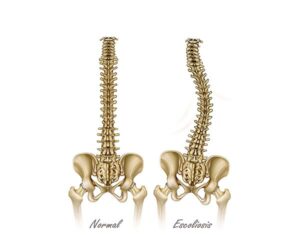
Idiopathic scoliosis
24,50 € Add to basketThe idiopathic scoliosis has an altered function in body
alignment. Moreover, under normal conditions, the spine
maintains proper physiological curvature. Additionally, it
provides stability and postural balance. -
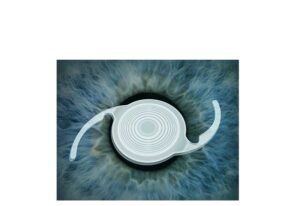
Intraocular lens
24,50 € Add to basketIntraocular lens. This artificial lens is implanted in the eye after the
removal of the natural lens during cataract surgery. The intraocular
lens replaces the cloudy lens, allowing light to focus correctly on the
retina and restoring vision. height=”228″ />=”https://ilusmedical.com/head-and-neck-disorders/?lang=en” target=”_blank” rel=”noopener”>
-
Legs in Parkinson’s disease
24,50 € Add to basketThe legs in Parkinson’s disease have an altered function in mobility.
Moreover, under normal conditions, dopamine regulates voluntary
movements. Additionally, it allows smooth and coordinated execution. -
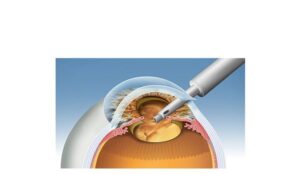
Lens extraction in cataracts
24,50 € Add to basketLens extraction in cataracts is a surgical procedure used
in advanced cases. This representation shows the cornea,
lens, aqueous humor, retina, and optic nerve. -
Lens replacement in cataracts
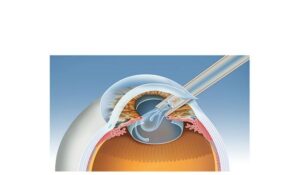
24,50 € Add to basketThe lens replacement in cataract surgery illustrates the final stage,
where the cloudy lens is replaced with an artificial intraocular lens.
After removing the lens using phacoemulsification, the new lens is
implanted through a small incision in the cornea. -
Lost memories in Alzheimer’s disease
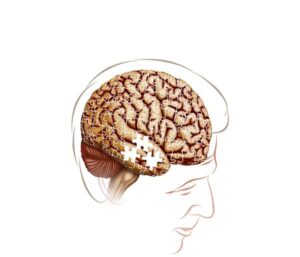
24,50 € Add to basketThe lost memories in Alzheimer’s disease have an altered function in
cognitive processes. Moreover, under normal conditions, neurons
communicate efficiently. Additionally, they store and retrieve information. -
Macular Degeneration
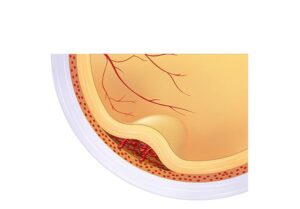
24,50 € Add to basketMacular Degeneration (AMD) illustrates how the condition affects
the macula, the central part of the retina responsible for detailed
vision. Aging can damage the cells of the macula, leading to blurred
vision or loss of central vision.