Eye
Showing 61–68 of 68 results
-
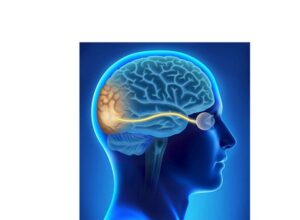
The physiology of vision
24,50 € Add to basketVisual physiology explains how the eye focuses light on
the retina converts it into nerve signals that the brain
interprets as images, allowing the perception of color,
shape and detail.


-
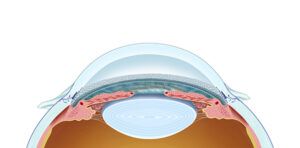
The Schlemm’s Canal
24,50 € Add to basketThe canal of Schlemm drains aqueous humor from the
trabecular meshwork into the venous system, helping
regulate intraocular pressure. -
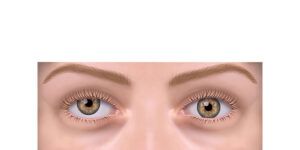
The strabismic eyes
24,50 € Add to basketThe eye in strabismus hypertropia is a type of strabismus in
which one eye is deflected upwards compared to the other
This can cause double vision and visual coordination problems. -
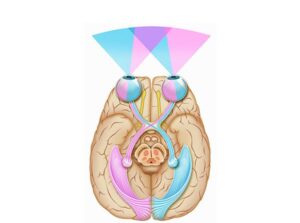
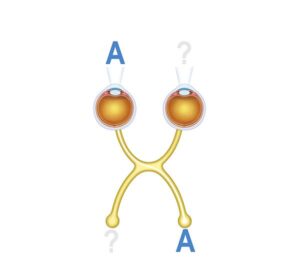
The visual system
24,50 € Add to basketThe visual system includes the eye, optic nerve, and
visual cortex. These structures convert light into nerve
signals that allow the brain to perceive images, colors,
shapes, and movement. -
Visual amblyopia
24,50 € Add to basketVisual amblyopia, also known as “lazy eye“, is a condition in which
one eye does not develop properly during childhood. May result in
reduced vision in that eye, even with optical correction. -
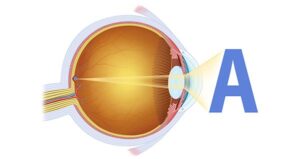
Visualization of the object
24,50 € Add to basketObject visualization occurs when light enters the eye,
is focused on the retina and converted into nerve signals
that travel through the optic nerve to the brain, allowing
the perception of colors, shapes, and fine visual details. -
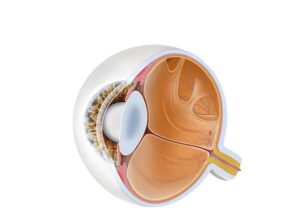
Vitreous detachment
24,50 € Add to basketVitreous detachment shows how the vitreous gel, which fills the
eye cavity, separates from the retina. As we age, the vitreous can
become more liquid and gradually separate from the retina, which
can cause flashes of light or the perception of floaters. -
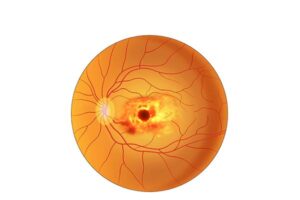
Wet Macular Degeneration
24,50 € Add to basketWet macular degeneration (AMD), in which abnormal blood
vessels grow beneath the retina, leading to leakage of fluid or blood.
This buildup of fluid can damage the macula and severely affect central
vision. It is characterized by neovascularization and leakage, explaining
the rapid loss of central vision and macular damage.