Kidneys
Showing 13–24 of 89 results
-
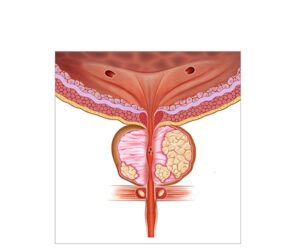
Cancerous prostate
24,50 € Add to basketCancerous prostate is a common malignant tumor in older men
caused by uncontrolled prostate cell growth. Moreover, it may cause
urinary symptoms and spread to other organs. Diagnosis includes PSA
testing and biopsy, while treatment depends on stage and progression.


-
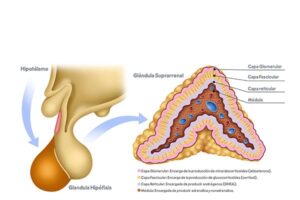
Cortisol production
24,50 € Add to basketCortisol production occurs in the adrenal cortex after
ACTH stimulation from the pituitary. It regulates
metabolism, blood pressure, and the body’s response
to stress. -
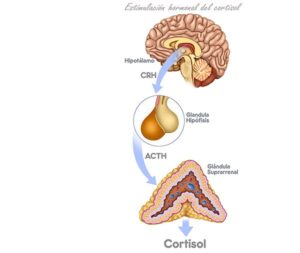
Cortisol secretion
24,50 € Add to basketCortisol secretion occurs in the adrenal cortex after
stimulation by ACTH from the pituitary. It regulates
metabolism, blood glucose, and the stress response
through the endocrine axis. -
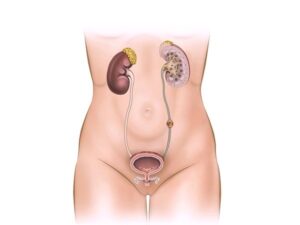
Female urinary system
24,50 € Add to basketThe female urinary system includes the kidneys, ureters,
bladder, and urethra. It filters blood, produces urine, and
allows its transport, storage, and elimination, maintaining
body balance. -
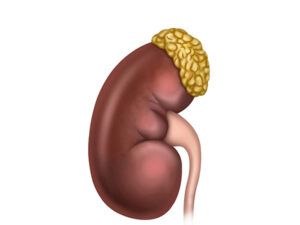
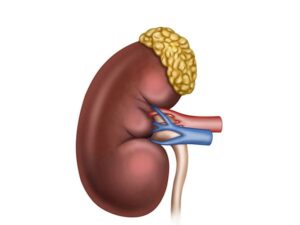
Kidney anatomy
24,50 € Add to basketKidney anatomy describes bilateral bean-shaped organs
located in the retroperitoneum. They filter blood, produce
urine, and regulate fluid, electrolyte, and pH balance in
the body. -
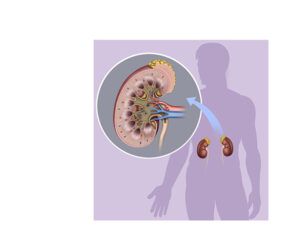
Kidney anatomy and physiology
24,50 € Add to basketKidney anatomy and physiology explain its internal
structure and functions. They include filtration, urine
formation, and regulation of water, electrolytes, and
pH, along with adrenal gland activity. -
Kidney physiology
24,50 € Add to basketKidney physiology explains how these organs filter blood,
remove waste, and regulate water, electrolytes, and pH.
They also perform essential hormonal functions to maintain
body balance. -
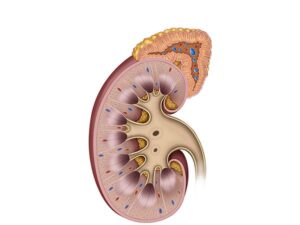
Kidney representation
24,50 € Add to basketThe kidney representation shows a sagittal section with
cortex, medulla, and renal pelvis. It helps understand
internal structure, filtration, urine formation, and fluid
regulation. -
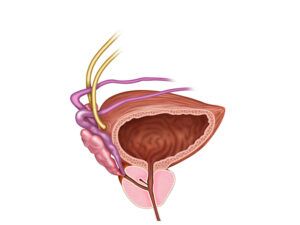
Lateral view of prostate and bladder
24,50 € Add to basketThe prostate lies below the bladder and surrounds the urethra.
It produces prostatic fluid that forms part of semen, while the
bladder stores and expels urine in the male urinary system. -
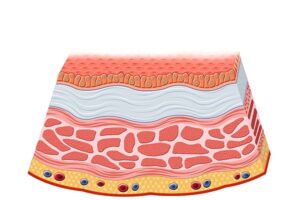
Layers of the bladder wall
24,50 € Add to basketThe bladder wall consists of mucosa, submucosa, detrusor
muscle, and serosa. These layers allow expansion, storage,
and contraction of the bladder during urination. -
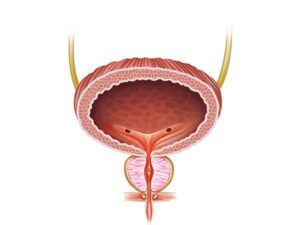
Male bladder anatomy.
24,50 € Add to basketThe male bladder is a hollow muscular organ in the
pelvis that stores urine. It is closely related to the
prostate, which surrounds the urethra and influences
urinary flow and function. -
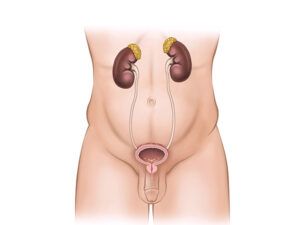
Male urinary system
24,50 € Add to basketThe male urinary system includes the kidneys, ureters,
bladder, and urethra. It filters blood, produces urine, and
allows its transport, storage, and elimination, maintaining
body balance.