Kidneys
Showing 61–72 of 89 results
-
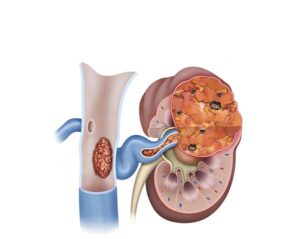
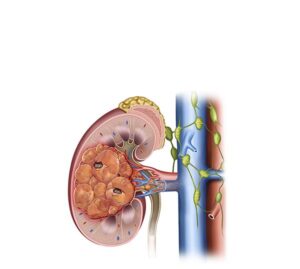
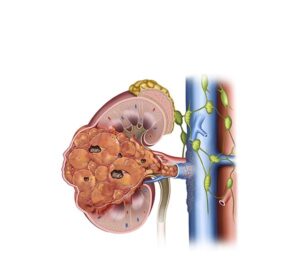
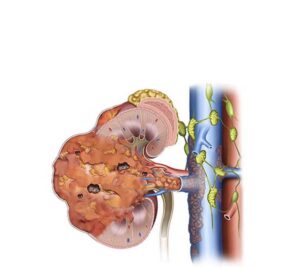
The renal cancer tumor
24,50 € Add to basketRenal cancer tumor is a malignant kidney neoplasm, commonly renal
cell carcinoma. Moreover, it may spread through the bloodstream, causing
metastasis. Symptoms include hematuria and flank pain, and diagnosis is
based on imaging studies.


-
The renal failure and kidney
24,50 € Add to basketRenal failure and kidney disease are the inability of the kidneys
to filter waste and maintain body balance. Moreover, it may be caused
by infections, stones, or chronic diseases. Diagnosis involves lab tests,
and treatment depends on severity, including medication or dialysis. -
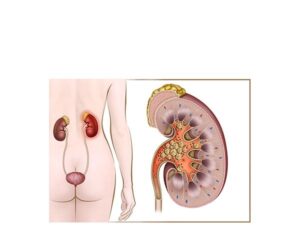
The renal lithiasis
24,50 € Add to basketLorem Ipsum es simplemente el texto de relleno de las imprentas
y archivos de texto. Lorem Ipsum ha sido el texto de relleno estándar
de las industrias desde el año 1500, cuando un impresor (N. del T
persona que se dedica a la imprenta) desconocido usó -
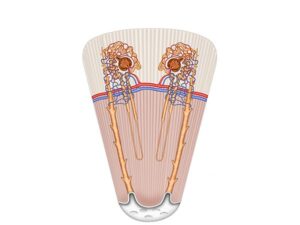
The renal medulla
24,50 € Add to basketThe renal medulla is the inner kidney region that concentrates
urine. It contains tubules and pyramids where water and solutes
are reabsorbed, maintaining fluid and electrolyte balance. -
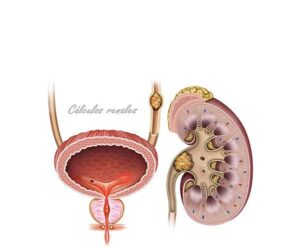
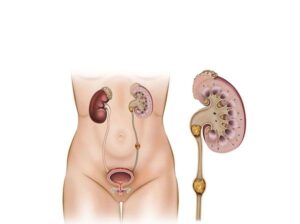
The renal ureteral stone
24,50 € Add to basketRenal ureteral stone is a solid deposit that forms in the kidney
and may move into the ureter, causing severe pain. Moreover, it can
be treated with ureteroscopy and laser fragmentation. Diagnosis is
imaging-based, and treatment depends on size and location. -
The renal urolithiasis
24,50 € Add to basketLorem Ipsum es simplemente el texto de relleno de las imprentas
y archivos de texto. Lorem Ipsum ha sido el texto de relleno estándar
de las industrias desde el año 1500, cuando un impresor (N. del T
persona que se dedica a la imprenta) desconocido usó -
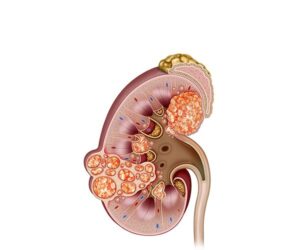
The stage 2 kidney cancer
24,50 € Add to basketStage 2 kidney cancer is an intermediate stage where the tumor
remains within the kidney without distant spread. Moreover, it may
cause pain or hematuria. Diagnosis is imaging-based, and treatment
usually involves surgery and clinical follow-up. -
The stage 3 kidney cancer
24,50 € Add to basketStage 3 kidney cancer is a locally advanced tumor that invades nearby
tissues, lymph nodes, or blood vessels. Moreover, it may cause pain,
hematuria, and fatigue. Treatment includes surgery and systemic therapies
depending on the tumor extent. -
The stage 4 kidney cancer
24,50 € Add to basketStage 4 kidney cancer is an advanced stage where the tumor spreads
beyond the kidney to the lymph nodes and distant organs. Moreover, it
may cause pain, hematuria, and weight loss. Treatment includes targeted
therapy, immunotherapy, and sometimes surgery. -
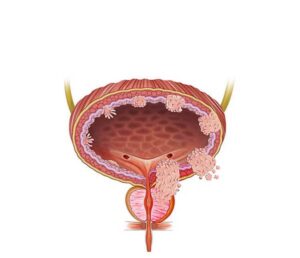
The stages of bladder cancer
24,50 € Add to basketStages of bladder cancer describe tumor progression from
superficial layers to deep tissues and nearby organs. Moreover,
types include transitional and squamous cell carcinoma. Diagnosis
and treatment depend on the extent of invasion and tumor spread. -
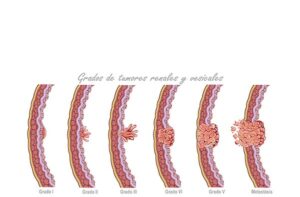
The stages of bladder cancer
24,50 € Add to basketStages of bladder cancer describe tumor progression from
superficial layers to deep tissues and nearby organs. Moreover,
diagnosis includes cystoscopy and imaging. Treatment varies by
stage and may involve surgery, immunotherapy, or chemotherapy. -
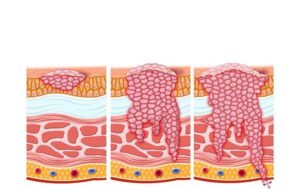
The stages of bladder tumor
24,50 € Add to basketStages of bladder tumor describe cancer progression from non
invasive disease to deep invasion and spread. Moreover, the diagnosis
includes cystoscopy and biopsy. Treatment varies by stage, ranging
from local therapies to surgery and systemic treatments.