Kidneys
Showing 1–12 of 89 results
-
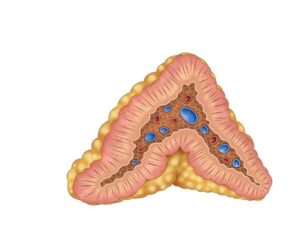
Adrenal gland anatomy
24,50 € Add to basketThe adrenal gland consists of the cortex and the medulla.
It produces hormones like cortisol, aldosterone, and adrenaline,
regulating metabolism, fluid balance, and the body’s response
to stress.


-
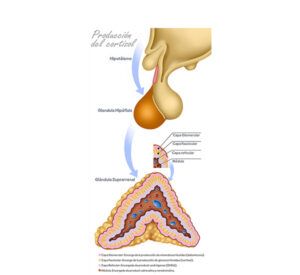
Adrenal gland and cortisol
24,50 € Add to basketThe adrenal gland produces cortisol in response to ACTH
from the pituitary. This hormone regulates metabolism,
blood pressure, and stress response, maintaining body
balance. -
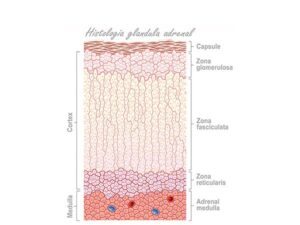
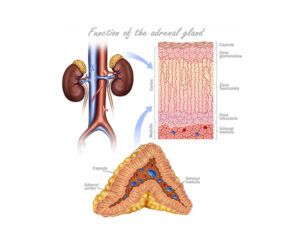
Adrenal gland histology
24,50 € Add to basketAdrenal gland histology studies its microscopic structure.
It includes the cortex and medulla, which produce steroid
hormones and catecholamines, regulating metabolism and
stress response. -
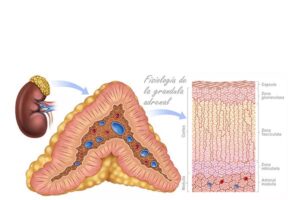
Adrenal gland physiology
24,50 € Add to basketAdrenal gland physiology regulates metabolism and blood
pressure. The cortex produces cortisol and aldosterone, while
the medulla secretes adrenaline for the stress response. -
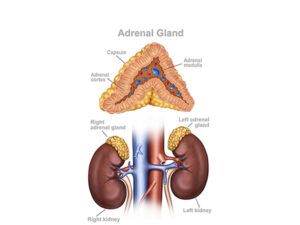
Adrenal gland representation
24,50 € Add to basketThe adrenal gland sits above the kidneys and consists of
the cortex and medulla. It produces hormones like cortisol,
aldosterone, and adrenaline, regulating metabolism, fluids,
and stress response. -
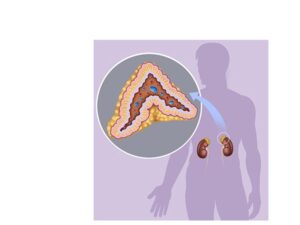
Adrenal gland representation
24,50 € Add to basketThe adrenal gland is shown in sagittal section, revealing
cortex and medulla. It produces hormones like cortisol,
aldosterone, and adrenaline, regulating metabolism, fluids,
and stress response. -
Adrenal glands and kidneys
24,50 € Add to basketKidneys and adrenal glands work together. Kidneys
filter blood and regulate fluids, while the adrenal glands
produce hormones like cortisol, aldosterone, and
adrenaline for body balance. -
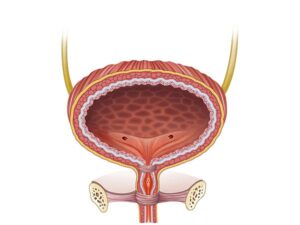
Anatomy of the Bladder
24,50 € Add to basketThe anatomy of the Bladder is a hollow muscular organ in the pelvis that stores urine. Supported by ligaments and connected to ureters and urethra, it allows controlled storage and elimination of urine.
-
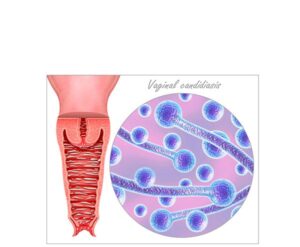
Bacterial candidiasis
24,50 € Add to basketBacterial candidiasis is a fungal infection caused by Candida albicans.
It leads to itching, irritation, and abnormal discharge, affecting genital,
oral, or skin areas and requiring antifungal treatment. -
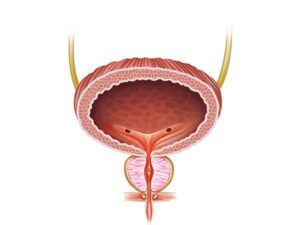
Bladder and prostate anatomy
24,50 € Add to basketThe bladder stores urine and connects to the urethra
in the pelvis. The prostate surrounds the urethra below
the bladder and produces prostatic fluid, influencing
urination and male reproductive function. -
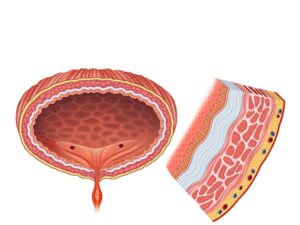
Bladder wall layers
24,50 € Add to basketThe bladder wall consists of mucosa, submucosa,
detrusor muscle, and serosa. These layers allow
expansion, storage, and contraction of the bladder
during urination. -
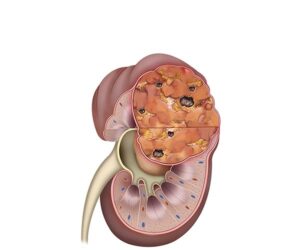
Cancerous kidney tumor
24,50 € Add to basketCancerous kidney tumor. This representation details the
development of malignant cells in the adult renal system. The text
addresses main symptoms such as hematuria and abdominal
pain. It also presents the genetic and environmental risk factors
that influence the overall prognosis