Kidneys
Showing 25–36 of 89 results
-
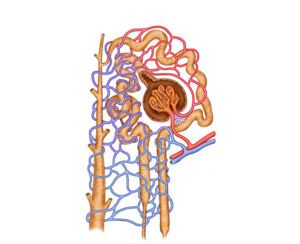
Nephron structure
24,50 € Add to basketThe nephron is the functional unit of the kidney. It filters blood
in the renal corpuscle and modifies the filtrate in the tubules,
reabsorbing nutrients and eliminating waste and excess fluids.


-
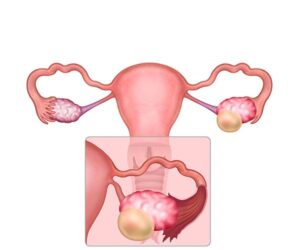
Ovarian cyst
24,50 € Add to basketAn ovarian cyst is a fluid-filled sac that forms in or on the ovary.
It is usually benign and asymptomatic, but may cause pain, bloating,
or menstrual irregularities, and is commonly detected by ultrasound. -
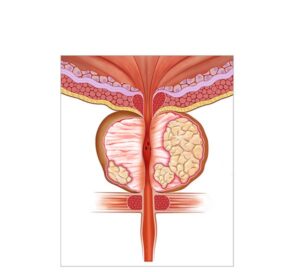
Prostate cancer
24,50 € Add to basketProstate cancer is a malignant growth in the prostate gland that
may be asymptomatic early. It can cause urinary difficulties, pain,
and blood in urine, requiring diagnosis with PSA tests and biopsy. -
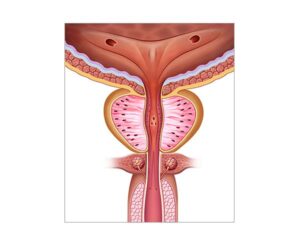
Prostate physiology
24,50 € Add to basketThe prostate produces prostatic fluid, a key part of semen.
During ejaculation, it mixes with sperm, supporting their
mobility and contributing to male reproductive function. -
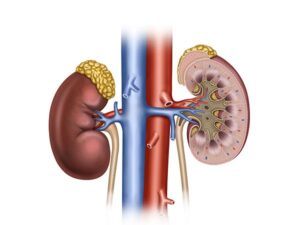
Renal blood supply
24,50 € Add to basketRenal blood supply carries blood to the kidneys through
renal arteries. It branches into arterioles and capillaries
within nephrons, enabling filtration, reabsorption, and
urine formation. -
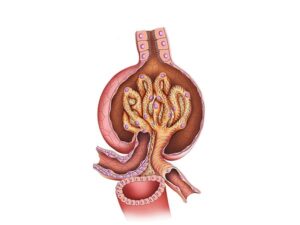
Renal corpuscle anatomy
24,50 € Add to basketThe renal corpuscle is a nephron structure composed
of the glomerulus and Bowman’s capsule. It filters blood,
allowing water and solutes to pass, initiating urine
formation. -
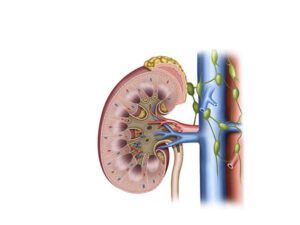
Renal lymphatic drainage
24,50 € Add to basketRenal lymphatic drainage transports lymph from the
kidneys to the lymph nodes. It removes excess fluid,
waste, and immune cells, supporting purification and
immune defense in the body. -
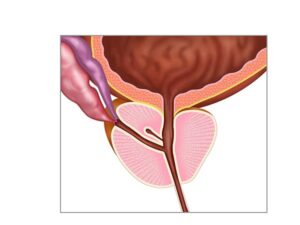
Sagittal prostate section
24,50 € Add to basketThe prostate is a male gland located below the bladder,
surrounding the urethra. It produces prostatic fluid that
forms part of semen and plays a key role in ejaculation
and reproduction. -
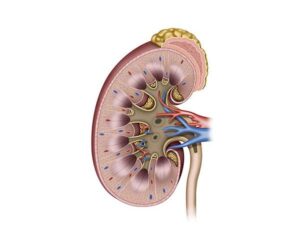
Sagittal section of the kidney
24,50 € Add to basketThe sagittal section of the kidney shows internal structures such
as the cortex, medulla, and renal pelvis. It helps understand blood
filtration, urine formation, and urinary system organization. -
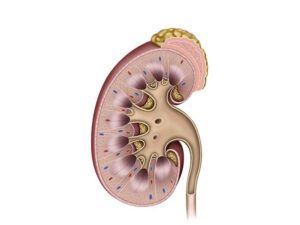
Sagittal section of the kidney.
24,50 € Add to basketThe sagittal section of the kidney shows internal structures
like the cortex, medulla, and renal pelvis. It helps understand
filtration, urine formation, and the organization of the
urinary system. -
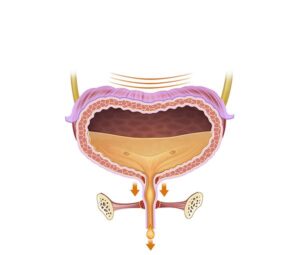
Stress urinary incontinence
24,50 € Add to basketStress urinary incontinence is the involuntary leakage of urine
during activities that increase abdominal pressure, such as coughing
or lifting. Moreover, it is caused by pelvic floor weakness. Treatment
includes exercises, lifestyle changes, and surgery in severe cases. -
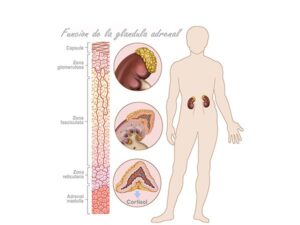
The adrenal gland
24,50 € Add to basketThe adrenal gland sits above each kidney and consists
of the cortex and medulla. It produces hormones like
cortisol, aldosterone, and adrenaline, regulating
metabolism, blood pressure, and stress response.