Lungs
Showing 13–24 of 109 results
-
Anatomy of the Pericardium
24,50 € Add to basketThe anatomy of the pericardium shows the layers that
surround the heart. It includes the fibrous pericardium
and the serous pericardium, divided into parietal and
visceral layers that protect the heart and allow smooth
cardiac movement.


-
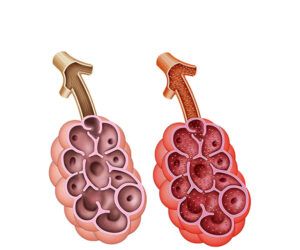
Aspergillosis
24,50 € Add to basketAspergillosis is a fungal infection affecting the alveoli, caused by
Aspergillus spores. It leads to inflammation, impaired gas exchange,
and respiratory symptoms, especially in weakened immune systems. -
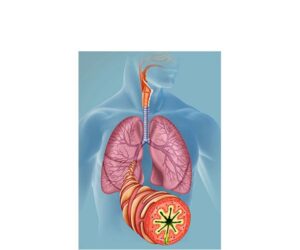
Asthmatic airways
24,50 € Add to basketAsthmatic airways. It represents the narrowing of the bronchial
due to inflammation and excess mucus, causing difficulty
respiratory, wheezing, and cough, characteristic of asthma, a
chronic disease that affects airflow. -
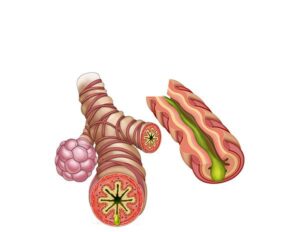
Asthmatic bronchi
24,50 € Add to basketAsthmatic bronchi present inflammation, mucus, and
muscle contraction. The bronchi are ducts that allow
the passage of air to the lungs. These changes narrow the
airways and make it difficult to flow air and breathe. -
Asthmatic bronchiolism
24,50 € Add to basketAsthmatic bronchiolitis shows inflammation, mucus, and
muscle contraction in the bronchioles. These small ducts
are essential for the passage of air to the alveoli. This narrows
the airways and makes it difficult for air to flow. -
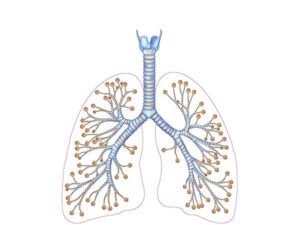
Branching of the bronchi
24,50 € Add to basketThe branching of the bronchi shows how the trachea
divides into primary bronchi, which further branch
into secondary bronchi and bronchioles to distribute
air throughout the lungs. -
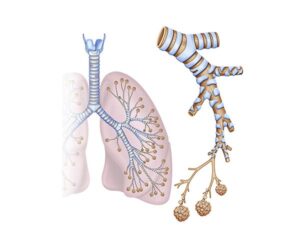
Bronchi and bronchioles
24,50 € Add to basketBronchi and bronchioles are respiratory airways that
transport air into the lungs. This system includes the
trachea, primary bronchi, and smaller bronchioles that
branch throughout the lung tissue. -
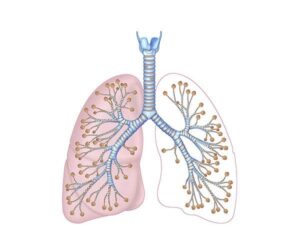
Bronchi and lungs
24,50 € Add to basketThe bronchi and lungs are key structures of the respiratory
system. The bronchi carry air from the trachea into the
lungs, where it travels through bronchioles to the alveoli
for gas exchange. -
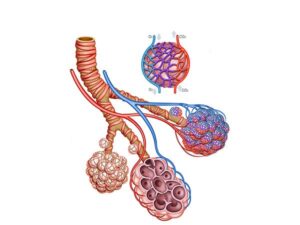
Bronchi and pulmonary alveoli
24,50 € Add to basketBronchi carry air into the lungs, while pulmonary
alveoli allow gas exchange with the blood. Together,
these structures help the body obtain oxygen and remove
carbon dioxide during breathing. -
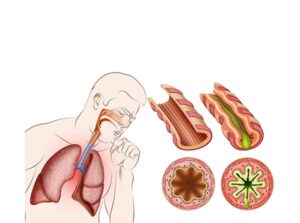
Bronchial asthma
24,50 € Add to basketBronchial asthma is a chronic disease that inflames and
narrows the bronchi, making it difficult for air to pass through.
It causes cough, wheezing, and chest tightness, affecting
breathing. -
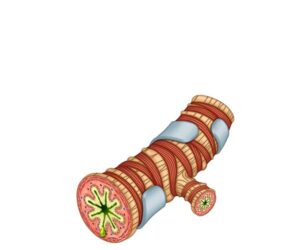
Bronchial asthma
24,50 € Add to basketBronchial asthma causes inflammation, mucus, and contraction.
muscle in the bronchi. In this condition, the bronchial structure
is significantly altered. This narrows the airways and makes it
difficult to breathe and the flow of air. -
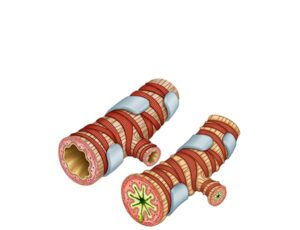
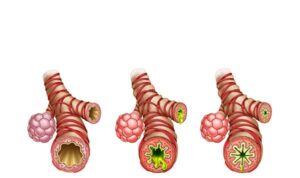
Bronchial duct phases
24,50 € Add to basketThe phases of bronchial ducts show a healthy bronchus, one
with bronchitis, and another with asthma. Each condition
presents inflammation, mucus, or constriction, altering airflow
and breathing.