Lungs
Showing 37–48 of 109 results
-
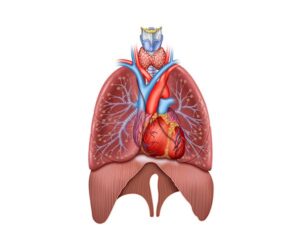
Cardiopulmonary system anatomy
24,50 € Add to basketCardiopulmonary system anatomy describes how the heart,
lungs, and blood vessels work together to transport oxygen,
remove carbon dioxide, and support circulation and
respiration.


-
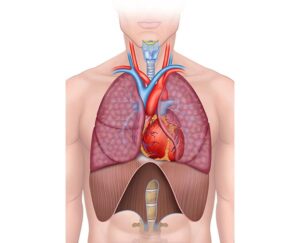
Cardiorespiratory anatomy
24,50 € Add to basketCardiorespiratory anatomy describes how the heart and
lungs work together to circulate oxygen, remove carbon
dioxide, and support cellular metabolism and body balance. -
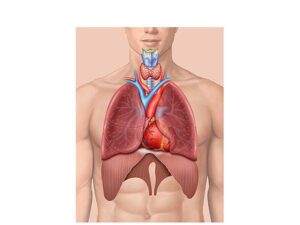
Cardiorespiratory representation
24,50 € Add to basketA cardiorespiratory representation shows how the heart
and lungs interact to circulate oxygenated blood, remove
carbon dioxide, and support essential body functions. -
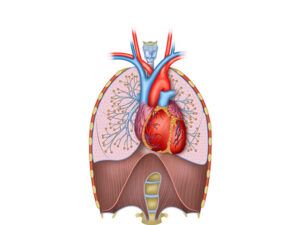
Cardiorespiratory system
24,50 € Add to basketThe cardiorespiratory system combines the heart and
lungs to circulate oxygen, remove carbon dioxide, and
maintain stable oxygen levels essential for cellular activity. -
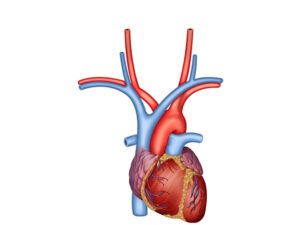
Cardiovascular system
24,50 € Add to basketThe cardiovascular system includes the heart and blood
vessels. It circulates blood throughout the body, transporting
oxygen, nutrients, hormones, and waste products while
supporting cellular function and maintaining internal balance. -
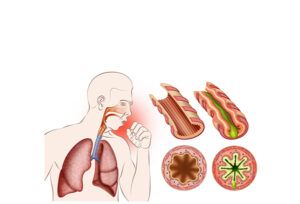
Chronic bronchial asthma
24,50 € Add to basketChronic bronchial asthma is a persistent inflammatory disease
that narrows the bronchi, making it difficult for air to pass through.
It causes cough, wheezing, and recurrent chest tightness. -
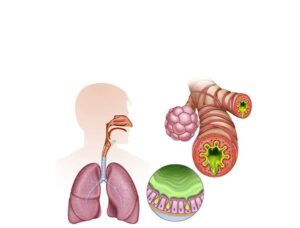
Chronic bronchitis
24,50 € Add to basketChronic bronchitis. It represents the persistent inflammation of the
bronchi with excessive mucus production, causing a continuous cough,
respiratory difficulty and progressive lung damage, associated with
irritants such as smoking and pollutants. -
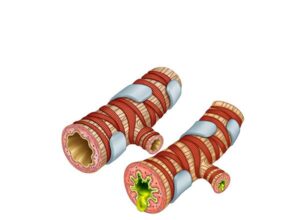
Chronic bronchitis representation
24,50 € Add to basketRepresentation of chronic bronchitis. Compare a healthy bronchus
with another inflamed, showing excess mucus, muscle contraction,
and narrowing, which causes respiratory difficulty, a persistent cough
and progressive lung damage. -
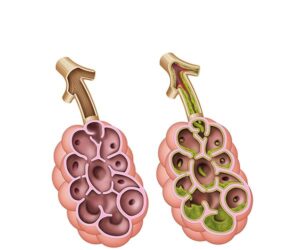
Cystic fibrosis
24,50 € Add to basketCystic fibrosis is a genetic disease that produces
thick mucus in the alveoli, obstructing the airways.
This hinders gas exchange and promotes infections.
recurrent lung infections. -
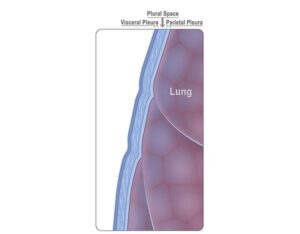
Diagram of the pleura
24,50 € Add to basketThe pulmonary pleura diagram shows the visceral
and parietal pleura surrounding the lungs. The pleural
cavity and fluid allow smooth lung movement during
breathing. -
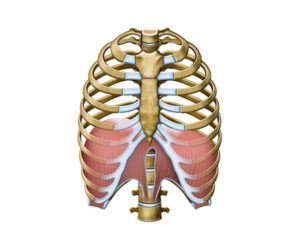
Diaphragm and ribs
24,50 € Add to basketThe diaphragm and ribs work together during breathing.
The diaphragm controls thoracic volume, while the ribs
and intercostal muscles allow the chest to expand and
contract during inhalation and exhalation. -
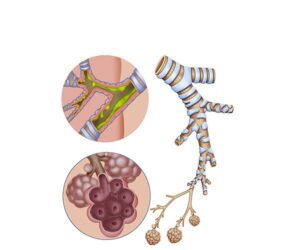
Emphysema and bronchitis
24,50 € Add to basketEmphysema and bronchitis are COPD diseases that affect the
bronchi and alveoli. They cause inflammation, damage structural
and airway obstruction, making breathing difficult.