Lungs
Showing 73–84 of 109 results
-
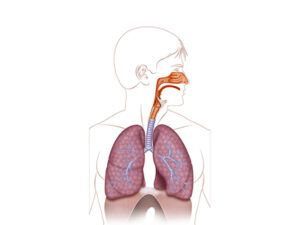
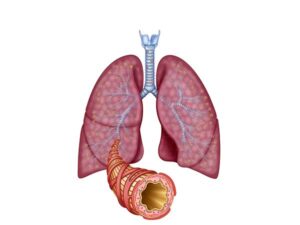
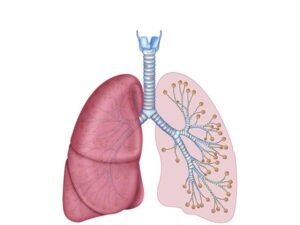
Respiratory system
24,50 € Add to basketThe respiratory system includes the trachea, bronchi,
bronchioles, lungs, and diaphragm. These structures
work together to transport air and allow oxygen and
carbon dioxide exchange during breathing.


-
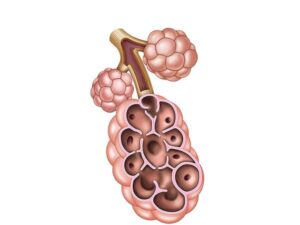
Structure of the alveoli
24,50 € Add to basketThe structure of alveoli shows microscopic air sacs
located at the ends of bronchioles. These small lung
structures are responsible for oxygen and carbon
dioxide exchange during respiration. -
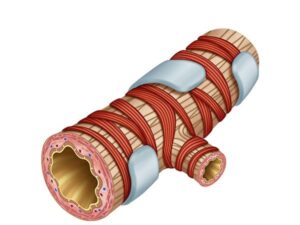
The anatomy of the bronchiole
24,50 € Add to basketThe anatomy of the bronchiole is characterized by
the absence of hyaline cartilage and walls surrounded
by smooth muscle, allowing regulation of airflow toward
the alveoli during breathing. -
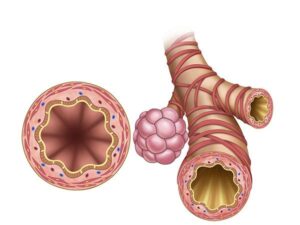
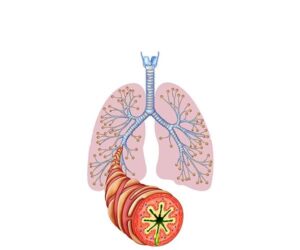
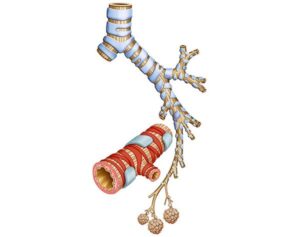
The anatomy of the bronchiole
24,50 € Add to basketThe anatomy of the bronchi and bronchioles shows
how bronchi contain hyaline cartilage that keeps
airways open, while bronchioles regulate airflow
toward the pulmonary alveoli. -
The anatomy of the lungs and bronchi
24,50 € Add to basketThe anatomy of the lungs and bronchi shows how
air travels through the trachea, bronchi, and bronchioles,
and alveoli, allowing oxygen and carbon dioxide exchange
during breathing. -
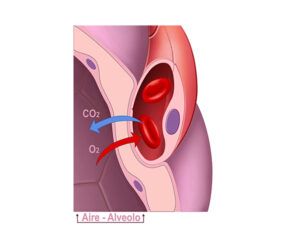
The biological process of hematosis
24,50 € Add to basketThe biological process of hematosis occurs in the
pulmonary alveoli, where oxygen from inhaled air
moves into the capillaries and binds to red blood
cells, while carbon dioxide is removed. -
The bronchial asthma
24,50 € Add to basketBronchial asthma. It represents the inflammation and narrowing
of the bronchi with mucus accumulation, causing difficulty
respiratory, wheezing, and cough, characteristic of a disease
chronic condition that affects airflow. -
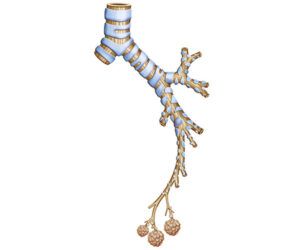
The bronchial branch
24,50 € Add to basketThe bronchial branch shows how the trachea divides
into the main bronchi, which branch into secondary
bronchi and bronchioles, guiding air to the alveoli for
gas exchange. -
The bronchial tree and the lungs
24,50 € Add to basketThe bronchial tree and lungs form a network of airways
where the trachea divides into the main bronchi, secondary
bronchi, and bronchioles, guiding air to the alveoli for gas
exchange. -
The bronchioles
24,50 € Add to basketBronchioles are the smallest airways in the lungs.
They carry air from the bronchi to the alveoli, where
oxygen and carbon dioxide exchange occurs during
breathing. -
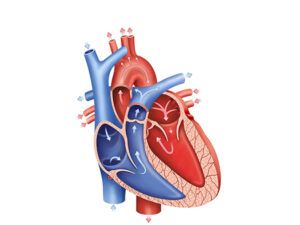
The cardiac blood circulation
24,50 € Add to basketCardiac blood circulation describes how blood flows from
the heart to the lungs and back to the body. This process
delivers oxygen and nutrients to tissues while supporting
normal cellular function. -
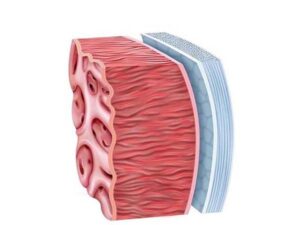
The cardiac layers
24,50 € Add to basketCardiac layers include the pericardium, myocardium,
and endocardium. These structures protect the heart,
generate contractions, and line the heart chambers to
support efficient blood circulation.