Medulla
Showing 25–36 of 65 results
-
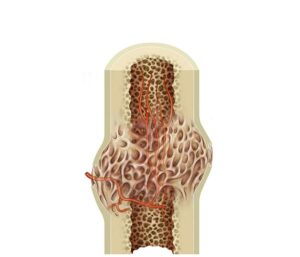
The bone fracture ossification
24,50 € Add to basketBone fracture ossification is the process of new bone formation after
a fracture. Moreover, it involves osteoblast activity and callus formation,
leading to bone consolidation and progressive strengthening.


-
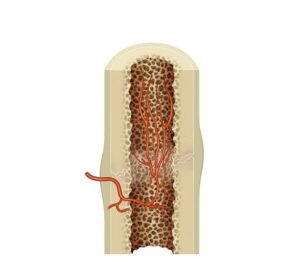
The bone fracture remodeling
24,50 € Add to basketBone fracture remodeling is the final healing stage, where bone
is reorganized and strengthened. Moreover, osteoclasts and
osteoblasts reshape the callus, restoring structure and improving
mechanical resistance. -
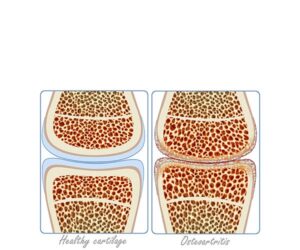
The cartilage in osteoarthritis
24,50 € Add to basketCartilage in osteoarthritis progressively deteriorates, causing
joint pain, stiffness, and inflammation. Moreover, it leads to bone
friction and reduced mobility. Treatment includes physical therapy,
medications, and, in advanced cases, surgery. -
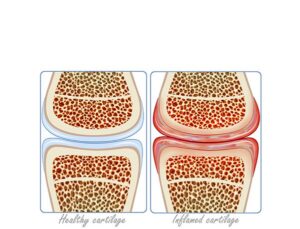
The cartilage inflammation
24,50 € Add to basketCartilage inflammation is a condition affecting joints, causing pain,
swelling, and stiffness. Moreover, it may result from injury, autoimmune
disease, or degeneration. Treatment includes anti-inflammatory drugs,
physical therapy, and, in severe cases, surgery. -
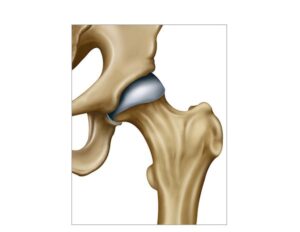
The coxofemoral joint
24,50 € Add to basketThe hip joint. This anatomical union between the acetabulum
and the femur facilitates stability and body weight support. Its
function allows for flexion and rotation movements indispensable
for walking, running, and maintaining proper posture during
daily activities. -
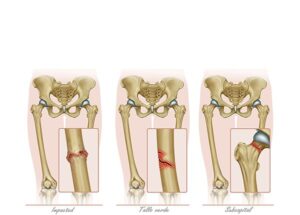
The femoral fractures
24,50 € Add to basketFemoral fractures include impacted, subcapital, and greenstick
types. Moreover, they affect bone structure and may cause pain,
deformity, and functional limitation depending on fracture location
and mechanism. -
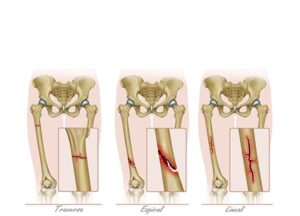
The femur bone fractures
24,50 € Add to basketFemur bone fractures include transverse, spiral, and linear
patterns depending on fracture direction. Moreover, they cause
pain, swelling, and deformity, reflecting different injury mechanisms
and levels of structural damage. -
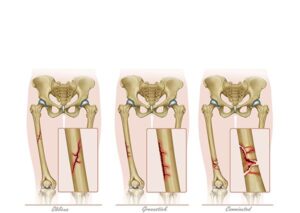
The femur bone fractures
24,50 € Add to basketFemur bone fractures include oblique, greenstick, and
comminuted patterns. Moreover, they reflect different injury
mechanisms, from partial bending to multiple fragments,
causing pain, swelling, and functional limitation. -
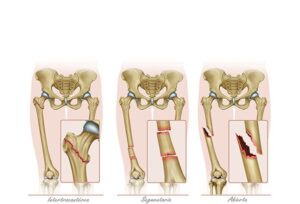
The femur bone injuries
24,50 € Add to basketFemur bone injuries include intertrochanteric, segmental, and
open fractures. Moreover, they affect bone stability and may cause
severe pain, deformity, and functional limitation, reflecting different
levels of structural damage. -
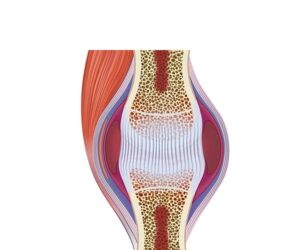
The fibrous joint ankylosis
24,50 € Add to basketFibrous joint ankylosis is a condition where fibrous tissue
limits joint movement, causing pain and stiffness. Moreover, it
reduces mobility and function. Treatment includes physical therapy,
anti-inflammatory medication, and, in advanced cases, surgery. -
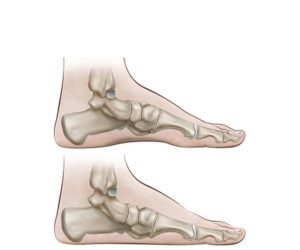
The flat foot
24,50 € Add to basketFlat foot is a condition where the plantar arch is reduced or absent,
causing pain, fatigue, and gait changes. Moreover, it may be congenital
or acquired. Treatment includes orthotics, strengthening exercises, and,
in severe cases, surgery. -
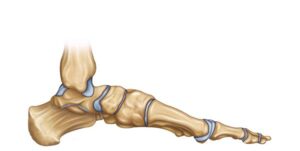
The foot lateral view
24,50 € Add to basketThe foot lateral view. An anatomical representation of the lower
limb detailing the connection between the tibia, fibula, and tarsal
bones. The image shows the talus, calcaneus, navicular, and cuboid.
elements that work together to provide structure, balance, and
mobility during human gait.