Medulla
Showing 61–65 of 65 results
-
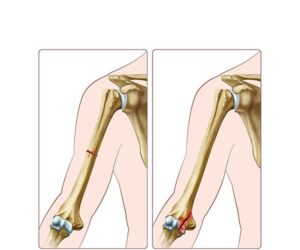
The transverse and distal fracture
24,50 € Add to basketTransverse and distal fractures involve horizontal bone breaks
or injuries at the lower end of the humerus. Moreover, it may affect
the elbow joint, causing pain, swelling, and functional limitation.
Clinical and imaging evaluations are essential.


-
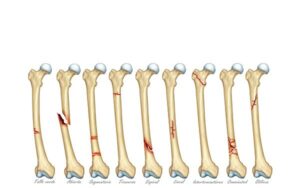
The types of bone fractures
24,50 € Add to basketTypes of bone fractures include open, closed, transverse,
oblique, and comminuted patterns. Moreover, these classifications
reflect injury mechanisms and structural damage, helping to
understand fracture characteristics and severity. -
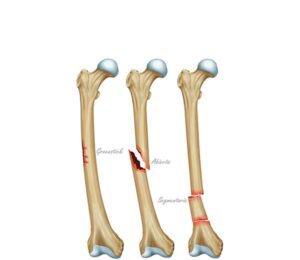
The types of bone fractures
24,50 € Add to basketTypes of bone fractures include greenstick, open, and segmental
patterns. Moreover, they reflect different injury mechanisms and
levels of structural damage, affecting both bone integrity and
surrounding tissues. -
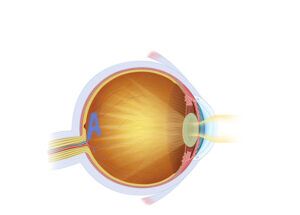
The vision with cataracts
24,50 € Add to basketVision with cataracts. The scheme reflects the opacity of the lens, as
the natural lens of the eye, which blurs the sight and affects correct
focusing. The surgical treatment consists of the extraction of the
opaque tissue and its replacement with an artificial lens to restore
visual clarity. -
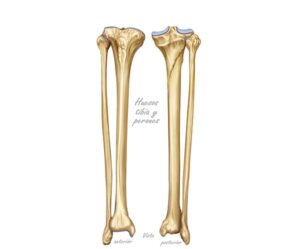
Tibia and fibula anatomy
24,50 € Add to basketTibia and fibula anatomy. These two long bones form the skeletal
structure of the lower leg. The tibia stands out for its ability to support
body weight and transmit loads, while the fibula provides lateral stability
and serves as an anchor for muscles essential for human locomotion.