Neuron
Showing 97–108 of 129 results
-
Somatosensory cortex
18,50 € Add to basketThe somatosensory cortex is the region of the brain that
processes sensory information from the body,
such as touch, pressure, and temperature, and allows
the location of stimuli to be interpreted.


-
Spinal cord anatomy
24,50 € Add to basketThe spinal cord is a crucial part of the central nervous
system. First, it extends from the brain to the interior
of the vertebral column. Additionally, it is composed
of nerves and specialized nervous tissue.


-
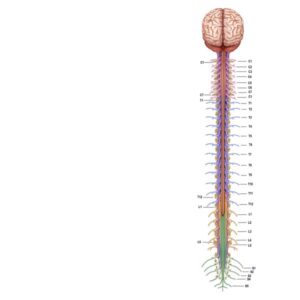
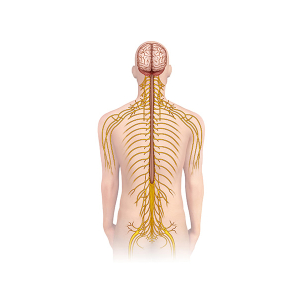
Spinal cord outline
24,50 € Add to basketA spinal nerve diagram illustrates the organization of these
important structures within the human nervous system.
Spinal nerves originate directly from the spinal cord and exit
through the intervertebral spaces of the vertebral column. -
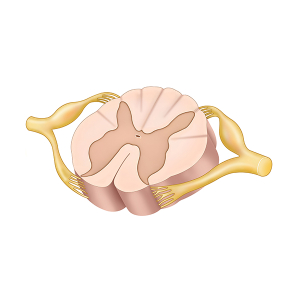
Spinal cord segment
24,50 € Add to basketThe spinal cord segment represents its
anatomical structure, including gray and
white matter, spinal nerves, and nerve roots.
This structure is fundamental for the
transmission of signals between the brain
and the body. -
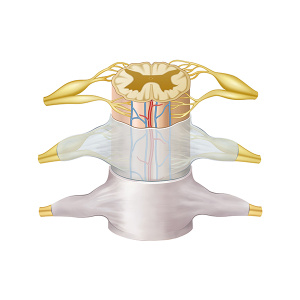
Spinal cord structure
24,50 € Add to basketThe structure of the spinal cord shows its segmented
organization and main components. First, it includes
the gray matter, which contains neuronal cell bodies.
-
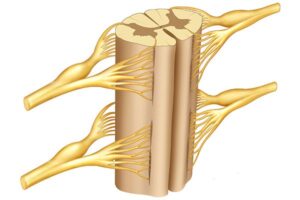
Spinal nerve branches
24,50 € Add to basketSpinal nerve branches play a fundamental role in the
organization of the human nervous system. These
nerves emerge directly from the spinal cord through
the intervertebral spaces of the vertebral column. -
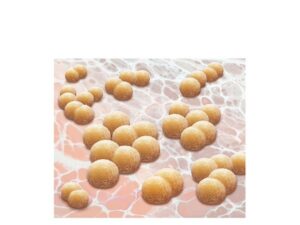
Staphylococcus aureus bacteria
24,50 € Add to basketStaphylococcus aureus is a common skin and nasal bacterium
that can cause infections, spread by contact, and sometimes
show antibiotic resistance. -
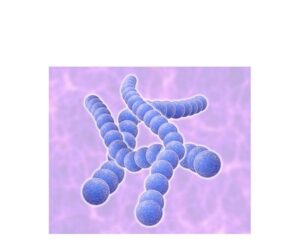
Streptococcus bacteria
24,50 € Add to basketStreptococcus bacteria show cells and tissues, explaining
transmission, respiratory infections, and antibiotic control
processes. -
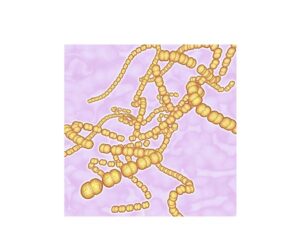
Streptococcus pyogenes bacteria
24,50 € Add to basketStreptococcus pyogenes is a Gram-positive bacterium causing
throat and skin infections, spreading through direct contact and
potentially leading to serious complications. -
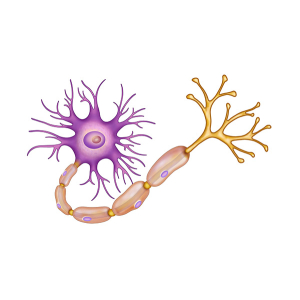
Structure of the Neuron
24,50 € Add to basketThe structure of the neuron is composed of three
main parts: the soma, the dendrites, and the axon.
The soma or cell body contains the nucleus and
regulates the essential functions of the cell. -
Synapse beta-amyloid protein
24,50 € Add to basketSynapse, beta-amyloid protein, and neurofibrillary tangles
in Alzheimer’s disease. The neuronal synapse is
the point of communication between neurons and plays
an essential role in the functioning of the nervous system..
-
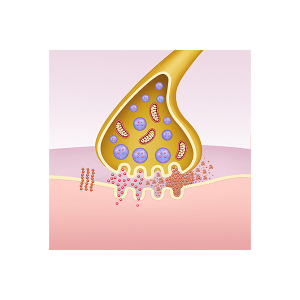
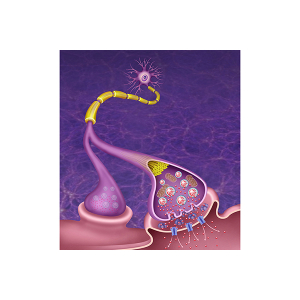
Synaptic Schema
24,50 € Add to basketThis synaptic schema visually represents the
functional connection between two neurons during
the process of neuronal communication.