Neuron
Showing 25–36 of 129 results
-
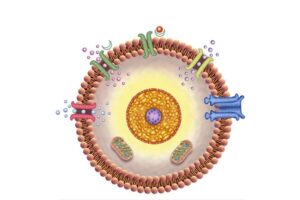
Cellular receptors
24,50 € Add to basketCellular receptors are proteins that detect signals and
trigger specific responses, regulating communication
and cellular activity.


-
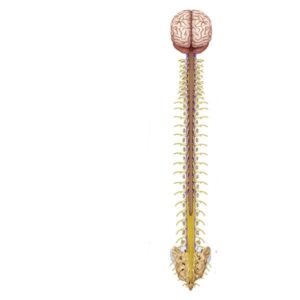
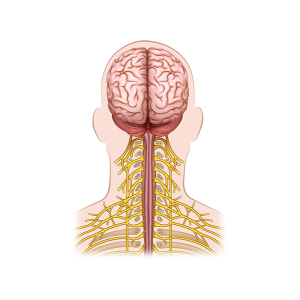
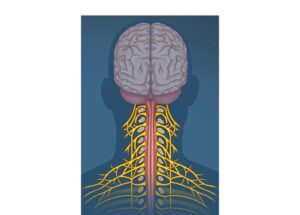
Central nervous branching
24,50 € Add to basketCentral nervous branching represents the extension of
nerves that originate from the central nervous system and
reach different regions of the body. The central nervous
system is composed of the brain and the spinal cord -
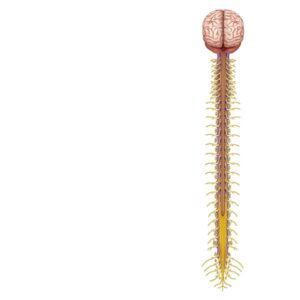
Central nervous system
24,50 € Add to basketThe central nervous system represents the extension of
nerves that originate from the central nervous system and
reach different regions of the body. The central nervous
system is composed of the brain and the spinal cord -
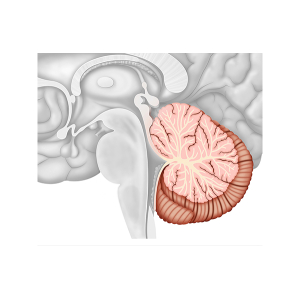
Cerebellum and brainstem
24,50 € Add to basketThe cerebellum and the brainstem are essential structures
of the central nervous system that play a crucial role in motor
coordination and balance. These structures are located at the
base of the brain.
-
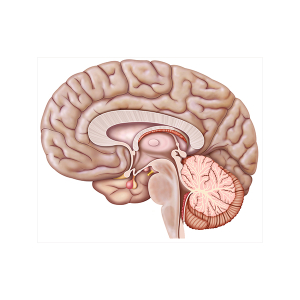
Cerebral sagittal section
24,50 € Add to basketIllustration of the sagittal section of the encephalon.
This view provides a detailed anatomical perspective
of the brain’s structure in profile, allowing observation
of the internal arrangement of its main components. -
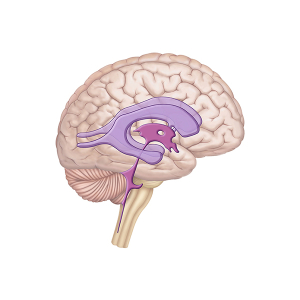
Cerebrospinal fluid
24,50 € Add to basketThis representation schematically illustrates cerebrospinal
fluid (CSF). First, it highlights the fundamental role of CSF
in protecting and nourishing the central nervous system. -
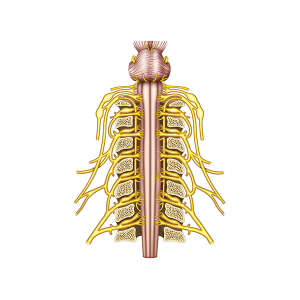
Cervical nerve branch
24,50 € Add to basketThe cervical nerve branch is the network of nerves
that originates in the spinal cord in the cervical
region of the spine. These nerves are distributed to
the neck, shoulders, and other nearby structures. -
Cervical nerve structure
24,50 € Add to basketThe classification of the cervical nerves describes the
organization of the nerves that originate in the cervical
region of the spinal cord. These nerves are distributed to
the neck, shoulders, and other nearby structures. -
Cervical spinal nerves
24,50 € Add to basketThe cervical spinal nerves constitute a fundamental group
within the peripheral nervous system. These nerves originate in
the spinal cord at the level of the cervical region of the spine..
-
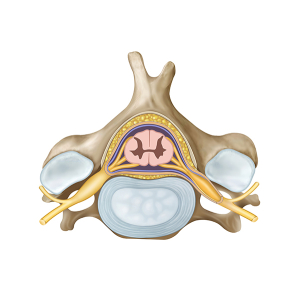
Cervical vertebra anatomy
24,50 € Add to basketThe anatomy of the cervical vertebra in superior
view reveals its circular structure with a large
vertebral foramen. This allows the passage of
the spinal cord, protecting it within the spinal
column. and the body. -
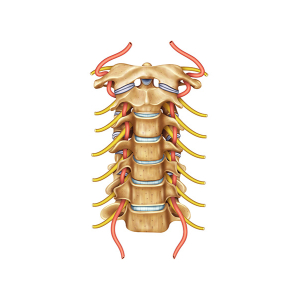
Cervical vertebrae and nerves
24,50 € Add to basketThe classification of the cervical nerves describes the
organization of the nerves that originate in the cervical
region of the spinal cord. These nerves are distributed to
the neck, shoulders, and other nearby structures. -
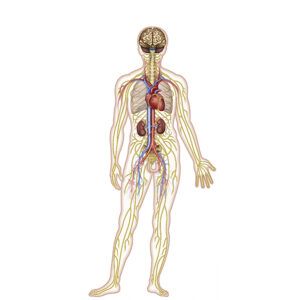
Circulatory and Nervous Systems
24,50 € Add to basketThe spinal nervous system is an essential component
of the peripheral nervous system and plays a fundamental
role in communication between the spinal cord and the
rest of the body.