Neuron
Showing 1–12 of 129 results
-
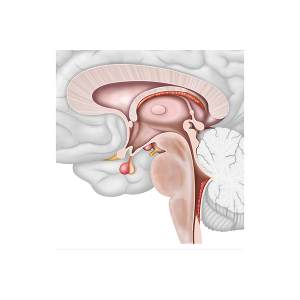
Anatomy Brainstem
24,50 € Add to basketThis illustration represents the anatomy of the
brainstem. First, it shows the inferior portion of
the brain, which connects the spinal cord with
higher structures.


-
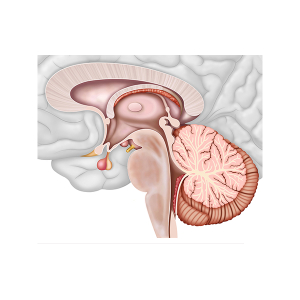
Anatomy of the brain
24,50 € Add to basketThe illustration displays the brainstem. First,
this structure corresponds to the lower portion
of the brain. Additionally, it connects the spinal
cord with the upper structures of the brain. -
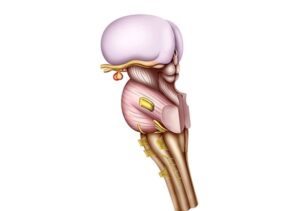
Anatomy of the brainstem
24,50 € Add to basketThe anatomy of the brainstem, also known as the brain
stem, is one of the most important structures of the central
nervous system. This region is located in the lower part of
the brain and establishes a direct connection between the
brain and the spinal cord..
-
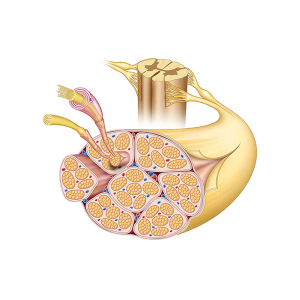
Anatomy of the nerve
24,50 € Add to basketThe anatomy of the nerve is composed of nerve fibers,
sheaths, and blood vessels. These fibers are made up
of axons and dendrites that transmit signals.
-
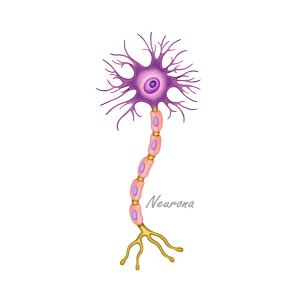
Anatomy of the neuron
24,50 € Add to basketThe anatomy of the neuron focuses on the structure
and function of these nerve cells. First, the neuron
consists of key parts such as the cell body, dendrites,
and axons.
-
Aspergillus fungus
24,50 € Add to basketAspergillus is a common mold whose inhaled spores
can cause lung infections, especially in people with
weakened immune systems. -
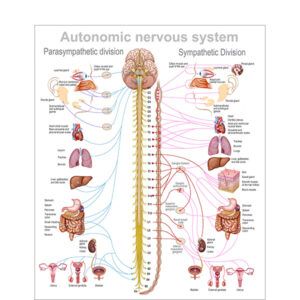
Autonomic nervous system
24,50 € Add to basketThe autonomic nervous system (ANS) is a vital regulatory
network responsible for controlling involuntary body functions.
Unlike other control pathways in the body, this system operates
automatically and does not require conscious effort..
-
Basal cerebral surface
24,50 € Add to basketThe basal cerebral surface refers to the lower part
of the brain, which rests on the base
of the skull. This illustration represents this
region from a lower perspective. -
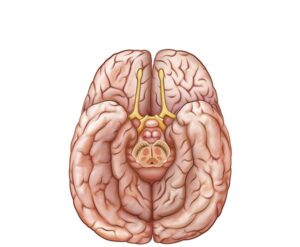
Basal surface of the brain
24,50 € Add to basketBasal surface of the brain. This illustration details the lower
part of the brain and the brainstem. The region coordinates
essential motor functions, sensory, and autonomic processes.
Its technical study is fundamental for the treatment of injuries
and various neurological disorders. -
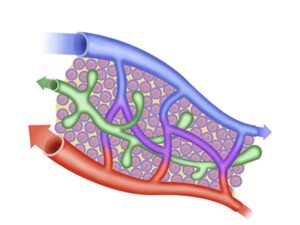
Blood and lymphatic circulation
24,50 € Add to basketBlood and lymphatic circulation transport blood and lymph,
regulate fluid balance, and support immune defense through
filtration and return to circulation. -
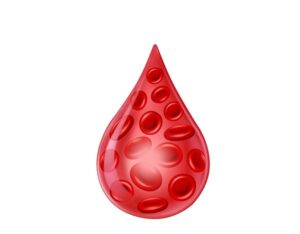
Blood cell drop
24,50 € Add to basketA blood cell drop is a small clinical sample used to analyze
red and white blood cells and platelets, enabling quick diagnosis
and health monitoring. -
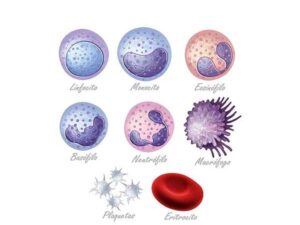
Blood components
24,50 € Add to basketBlood components include red and white blood cells, platelets,
and plasma, responsible for oxygen transport, immune defense,
and clotting.