Neuron
Showing 37–48 of 129 results
-
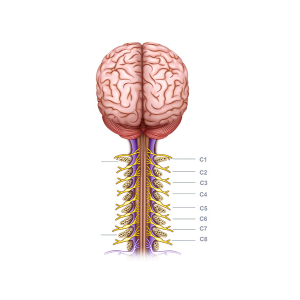
Classification of cervical nerves
24,50 € Add to basketThe classification of the cervical nerves describes the
organization of the nerves that originate in the cervical
region of the spinal cord. These nerves are distributed to
the neck, shoulders, and other nearby structures.


-
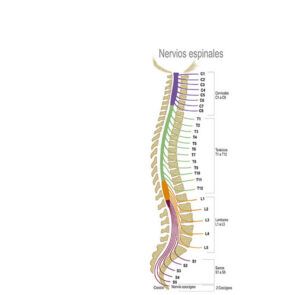
Classification of spinal nerves
24,50 € Add to basketSpinal nerves are essential components of the peripheral
nervous system plays a crucial role in communication
between the spinal cord and the rest of the body. -
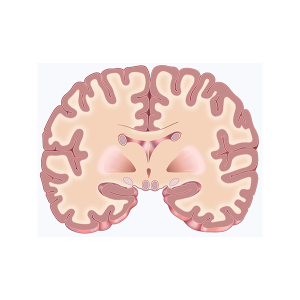
Coronal brain section
24,50 € Add to basketSchematic illustration of the coronal section
of the brain. In this view, several important
internal structures can be clearly observed. -
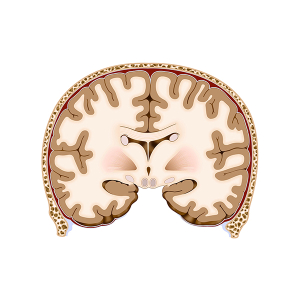
Coronal section of the brain
24,50 € Add to basketThis anatomical illustration of a coronal section
of the brain shows the brain structure in detail.
First, it highlights key elements such as the
cortex, hypothalamus, and ventricles. -
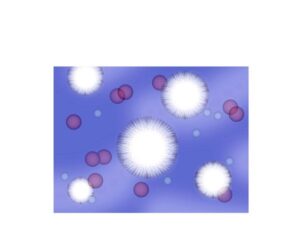
Coronavirus COVID-19
24,50 € Add to basketCoronavirus COVID-19 is a respiratory infection caused by
SARS-CoV-2, spreading through droplets, with variable
symptoms and global health impact. -
Cotton-like filamentous fungi
24,50 € Add to basketCotton-like filamentous fungi form visible colonies with
hyphae and spores, playing roles in ecology, industry, and
potential pathogenic activity. -
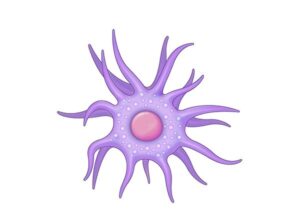
Dendritic cell
24,50 € Add to basketDendritic cells are immune cells that capture and present
antigens to lymphocytes, triggering adaptive immune responses
and protecting the body. -
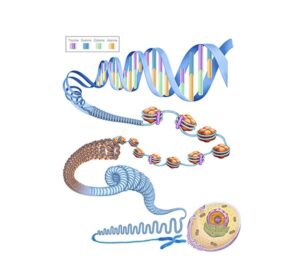
Deoxyribonucleic acid
24,50 € Add to basketDeoxyribonucleic acid (DNA). This image shows
the molecular organization of genetic material. In this
representation, the double helix, nucleotides,
nitrogenous bases, and hydrogen bonds are identified. -
DNA structure
24,50 € Add to basketDNA structure is a double helix made of nucleotides,
where complementary base pairing enables the storage
and transmission of genetic information. -
DNA structure and formation
24,50 € Add to basketDNA is a double helix molecule made of nucleotides, whose
replication ensures the accurate transmission of genetic
information between cells. -
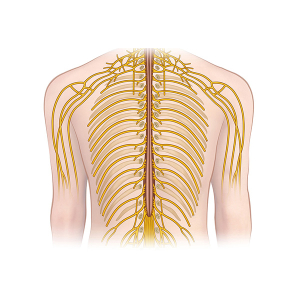
Dorsal nerve branching
24,50 € Add to basketThe dorsal nerve branching refers to the extension of
nerves from the posterior part of the spinal cord. This
structure enables the transmission of sensory information
to the central nervous system. -
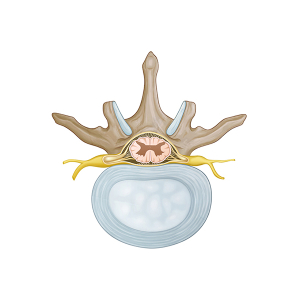
Dorsal vertebra anatomy
24,50 € Add to basketThe anatomy of the dorsal vertebra shows an
intermediate structure in the spine, located
between the cervical and lumbar vertebrae, and
its organization allows function within the
musculoskeletal system.