Neuron
Showing 49–60 of 129 results
-
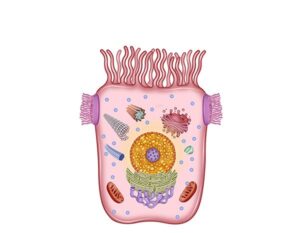
Enterocyte cells
24,50 € Add to basketEnterocyte cells are intestinal epithelial cells that absorb nutrients,
water, and electrolytes through microvilli, maintaining balance and
supporting body function.


-
Epidermophyton floccosum fungi
24,50 € Add to basketEpidermophyton floccosum is an anthropophilic dermatophyte
that infects skin and nails, causing ringworm through keratin
degradation and contact transmission. -
Escherichia coli bacteria
24,50 € Add to basketEscherichia coli is a common intestinal bacterium, usually
harmless, but some strains cause foodborne infections with
severe gastrointestinal symptoms. -
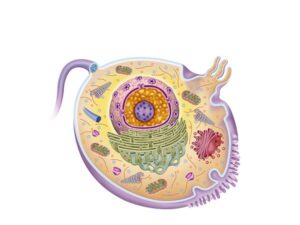
Eukaryotic cell anatomy
24,50 € Add to basketEukaryotic cells have a defined nucleus and organelles like
mitochondria and endoplasmic reticulum, enabling complex
functions and energy production. -
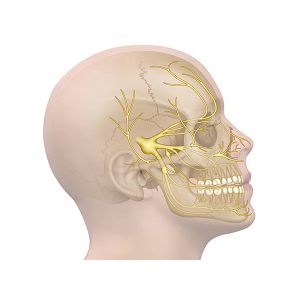
Facial nerve structure
24,50 € Add to basketThe structure of the facial nerves is essential
for controlling the muscles of the face and
transmitting sensory signals. First, the facial
nerve originates in the brainstem -
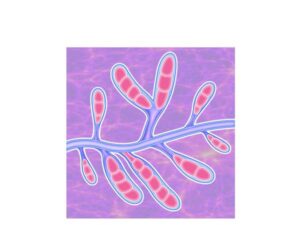
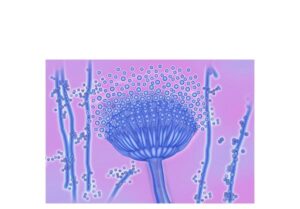
Filamentous Aspergillus
24,50 € Add to basketFilamentous Aspergillus is an opportunistic fungus with septate
hyphae that can cause lung infections and invasive disease, especially
in immunocompromised individuals. -
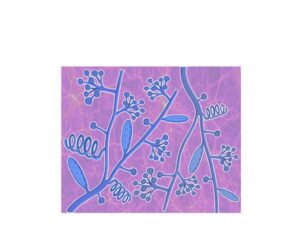
Filamentous dermatophyte fungi
24,50 € Add to basketFilamentous dermatophyte fungi degrade keratin and cause
infections like ringworm in skin, hair, and nails, spreading
through contact in humans and animals. -
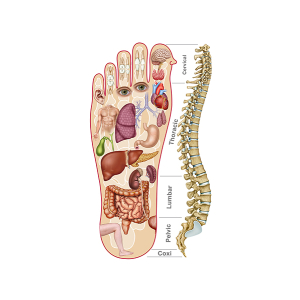
Foot reflexology
24,50 € Add to basketReflexology of the feet represents a map of the
soles where reflex zones connected to different
organs and body systems are indicated.
-
Frontal view of the brain
24,50 € Add to basketFrontal view illustration of the brain. This shows
the right and left hemispheres, divided by the
interhemispheric fissure, a structure that separates
both halves, and allows their anatomical symmetry
to be appreciated. -
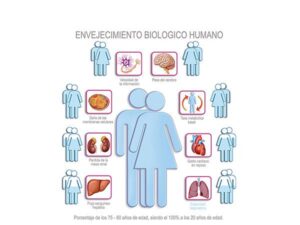
Human biological aging
24,50 € Add to basketHuman biological aging is a gradual process affecting cells
and tissues, increasing disease risk and reducing recovery
capacity over time. -
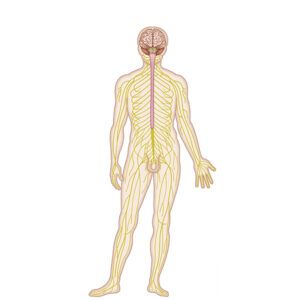
Human nervous system
24,50 € Add to basketThe human nervous system is a highly specialized network of
tissues that coordinates and regulates the functions of the body.
This system enables the organism to receive information from
the environment, process it, and generate appropriate responses. -
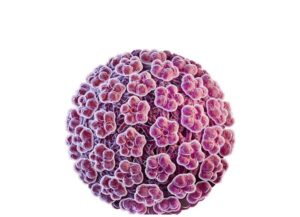
Human papillomavirus
24,50 € Add to basketHuman papillomavirus (HPV) is a common sexually transmitted
infection that can cause warts and cervical cancer, preventable with
vaccination and is detectable through screening.