Skeleton
Showing 121–132 of 134 results
-
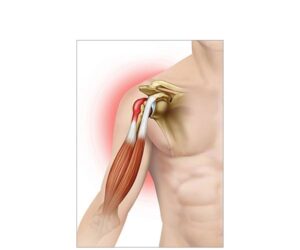
The shoulder tendinitis
24,50 € Add to basketShoulder tendinitis is inflammation of the rotator cuff tendons
caused by overuse, injury, or aging. Moreover, it leads to pain,
stiffness, and reduced mobility, affecting shoulder function and
daily activities.


-
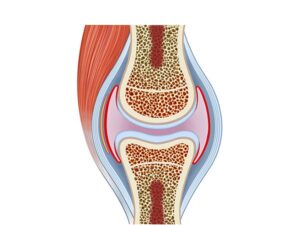
The synovial joints
24,50 € Add to basketThe synovial joints. These are a type of movable joint that
allows movement between bones. They are characterized by
the presence of a synovial cavity containing synovial fluid,
which facilitates smooth movement of the articular surfaces. -
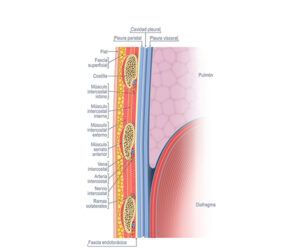
The thoracic cavity layers
24,50 € Add to basketThoracic cavity layers include skin, subcutaneous tissue,
intercostal muscles, ribs, and costal cartilage. Together, they
protect the heart and lungs while supporting breathing
movements. -
The thoracic cavity muscles
24,50 € Add to basketThoracic cavity muscles assist breathing by moving the
ribs and diaphragm. They support lung expansion and
protect vital organs such as the heart, lungs, trachea,
and major blood vessels. -
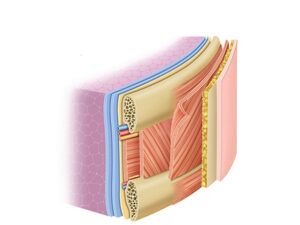
The thoracic wall layers
24,50 € Add to basketThoracic wall layers include skin, subcutaneous tissue,
intercostal muscles, and ribs. These structures protect
vital organs and allow chest movements required for
breathing. -
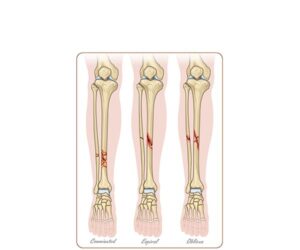
The tibia bone fractures
24,50 € Add to basketTibia bone fractures include comminuted, spiral, and oblique
patterns depending on fracture type. Moreover, they cause pain,
swelling, and deformity, reflecting different injury mechanisms and
levels of bone damage. -
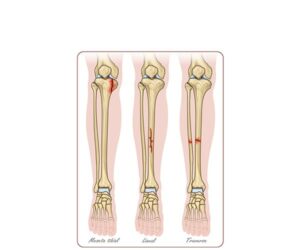
The tibial bone fractures are
24,50 € Add to basketTibial bone fractures include linear and transverse breaks, often
affecting the tibial plateau. Moreover, they can compromise knee
stability, causing pain, swelling, and limited mobility depending on
the fracture pattern. -
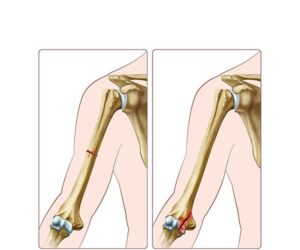
The transverse and distal fracture
24,50 € Add to basketTransverse and distal fractures involve horizontal bone breaks
or injuries at the lower end of the humerus. Moreover, it may affect
the elbow joint, causing pain, swelling, and functional limitation.
Clinical and imaging evaluations are essential. -
The types of bone fractures
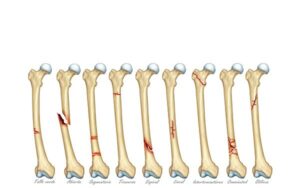
24,50 € Add to basketTypes of bone fractures include open, closed, transverse,
oblique, and comminuted patterns. Moreover, these classifications
reflect injury mechanisms and structural damage, helping to
understand fracture characteristics and severity. -
The types of bone fractures
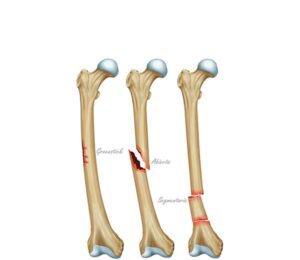
24,50 € Add to basketTypes of bone fractures include greenstick, open, and segmental
patterns. Moreover, they reflect different injury mechanisms and
levels of structural damage, affecting both bone integrity and
surrounding tissues. -
The vision with cataracts
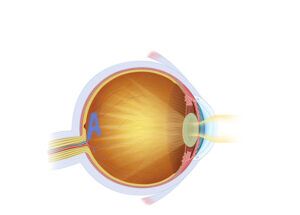
24,50 € Add to basketVision with cataracts. The scheme reflects the opacity of the lens, as
the natural lens of the eye, which blurs the sight and affects correct
focusing. The surgical treatment consists of the extraction of the
opaque tissue and its replacement with an artificial lens to restore
visual clarity. -
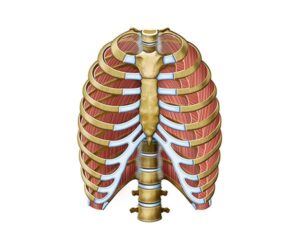
Thoracic cage frontal view
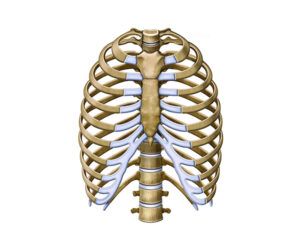
24,50 € Add to basketFrontal view of the rib cage, showing the bony structures of
the thorax. The ribs, connected to the spine and the sternum,
form the rib cage. The ribs are classified as true, false, and
floating, each playing a crucial role in protecting the internal
organs.