Skeleton
Showing 13–24 of 134 results
-
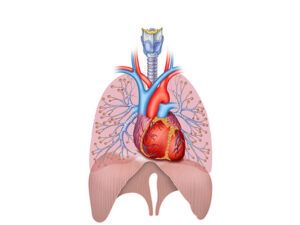
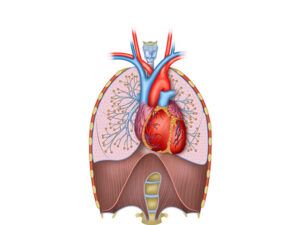
Cardiopulmonary System
24,50 € Add to basketThe cardiopulmonary system integrates the heart and
lungs to circulate oxygen, remove carbon dioxide, and
deliver nutrients throughout the body, supporting cellular
function and maintaining physiological balance.


-
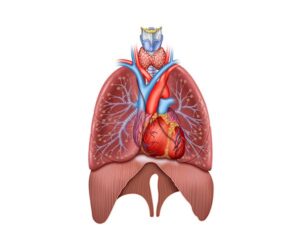
Cardiopulmonary system anatomy
24,50 € Add to basketCardiopulmonary system anatomy describes how the heart,
lungs, and blood vessels work together to transport oxygen,
remove carbon dioxide, and support circulation and
respiration. -
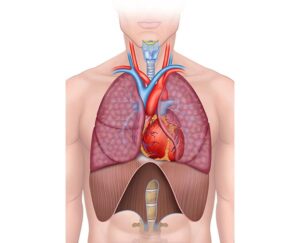
Cardiorespiratory anatomy
24,50 € Add to basketCardiorespiratory anatomy describes how the heart and
lungs work together to circulate oxygen, remove carbon
dioxide, and support cellular metabolism and body balance. -
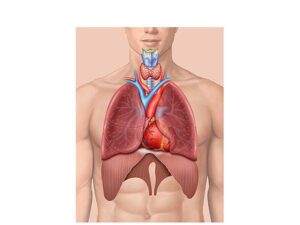
Cardiorespiratory representation
24,50 € Add to basketA cardiorespiratory representation shows how the heart
and lungs interact to circulate oxygenated blood, remove
carbon dioxide, and support essential body functions. -
Cardiorespiratory system
24,50 € Add to basketThe cardiorespiratory system combines the heart and
lungs to circulate oxygen, remove carbon dioxide, and
maintain stable oxygen levels essential for cellular activity. -
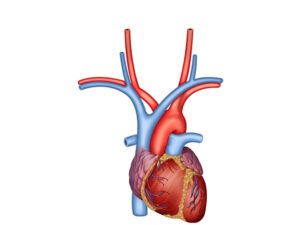
Cardiovascular system
24,50 € Add to basketThe cardiovascular system includes the heart and blood
vessels. It circulates blood throughout the body, transporting
oxygen, nutrients, hormones, and waste products while
supporting cellular function and maintaining internal balance. -
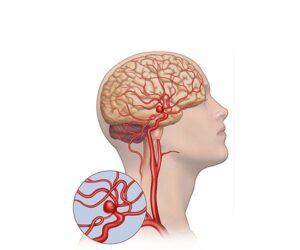
Cerebral arterial aneurysm
24,50 € Add to basketCerebral arterial aneurysm. Detailed medical illustration of a
human head, where weakened bulges in the artery are visualized.
This condition shows how vessels fill with blood, pressing on
surrounding tissue and creating a high risk of severe hemorrhage
in the patient. -
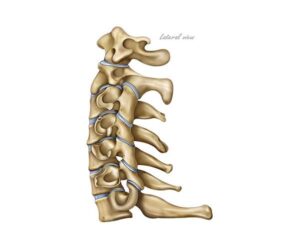
Cervical vertebrae lateral view
24,50 € Add to basketThe lateral views of the cervical vertebrae highlight the seven
bony structures in the neck region, numbered C1 through C7. The
natural curves of the spine and anatomical features such as the
vertebral bodies, neural arches, and spinous processes are visible. -
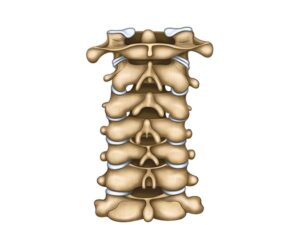
Cervical vertebrae posterior view
24,50 € Add to basketPosterior view of the cervical vertebrae. These are the
bony structures in the neck region of the spine. They are
located at the back of the neck and consist of seven
vertebrae numbered C1 through C7. -
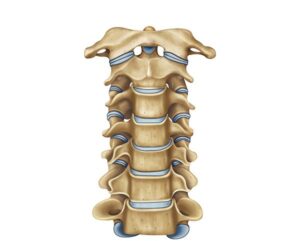
Cervical vertebrae, frontal view
24,50 € Add to basketCervical vertebrae in frontal view. The seven vertebrae that
make up the cervical region of the spine are shown. Numbered
C1 through C7, these bony structures form the neck, providing
support and flexibility. -
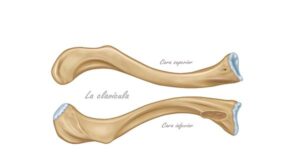
Clavicle bone
24,50 € Add to basketThe clavicle. Also known as the collarbone, it is a long, slender
bone that connects the scapula to the sternum. It is located in
the upper part of the thorax and forms part of the appendicular
skeleton. -
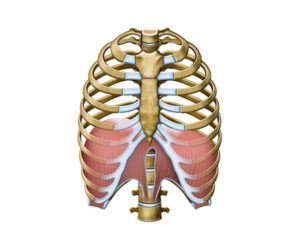
Diaphragm and ribs
24,50 € Add to basketThe diaphragm and ribs work together during breathing.
The diaphragm controls thoracic volume, while the ribs
and intercostal muscles allow the chest to expand and
contract during inhalation and exhalation.