Stomach
Showing 25–36 of 39 results
-
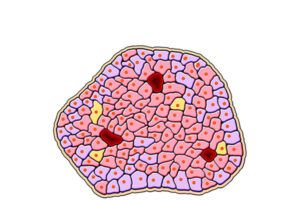
Pancreatic islets
24,50 € Add to basketPancreatic islets are regions of the pancreas with specialized
cells, such as beta and alpha cells. They produce insulin and
glucagon, regulating blood glucose levels and maintaining
metabolic balance.


-
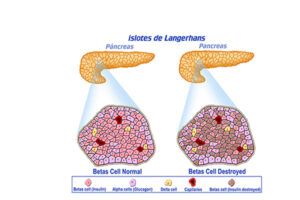
Pancreatic physiology
24,50 € Add to basketPancreatic physiology combines digestive and endocrine
functions. The pancreas produces enzymes that break down
food and hormones like insulin and glucagon that regulate
blood glucose levels. -
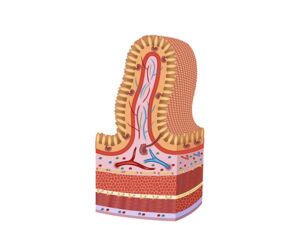
Small intestine villus
24,50 € Add to basketSmall intestine villus hair refers to microvilli on enterocytes
that increase the absorption surface. They enable efficient
nutrient uptake from digested chyme in the digestive system. -
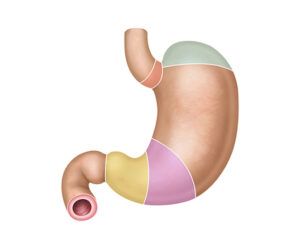
Stomach sections
24,50 € Add to basketThe stomach sections include cardia, fundus, body, antrum,
and pylorus. Each region plays a key role in digestion, food
storage, mixing, and controlling the passage of food into the
small intestine. -
Structure of the small intestine
24,50 € Add to basketThe small intestine structure includes the duodenum,
jejunum, and ileum. Its mucosa has villi and microvilli
that increase the absorption surface and allow efficient
nutrient uptake in the digestive system. -
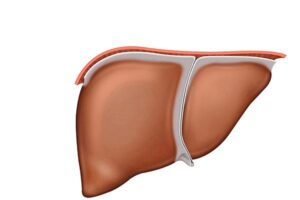
The anatomy of the liver
24,50 € Add to basketThe anatomy of the liver shows a vital organ located on
the right side of the abdomen. It is divided into hepatic
lobes and made of hepatocytes, which perform metabolic,
digestive, and detoxification functions. -
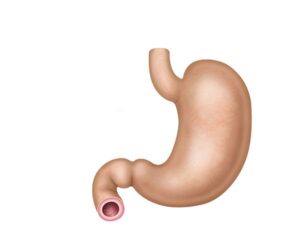
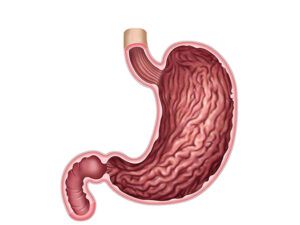
The anatomy of the stomach
24,50 € Add to basketThe anatomy of the stomach shows a sac-shaped organ
located in the upper abdomen. It is divided into the cardia,
fundus, body, and pylorus, which participate in the
digestion of food. -
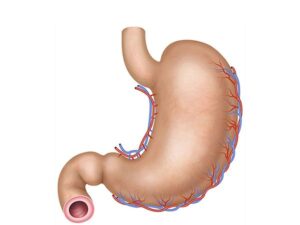
The blood supply of the stomach
24,50 € Add to basketThe blood supply of the stomach comes mainly from
the celiac trunk, through arteries such as the left and right
gastric arteries, which provide oxygen and nutrients to
stomach tissues. -
The cross section of the stomach
24,50 € Add to basketThe cross-section of the stomach shows the layers:
mucosa, submucosa, muscularis, and serosa. The
gastric mucosa produces enzymes and gastric acid that
begin food digestion. -
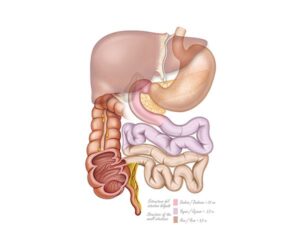
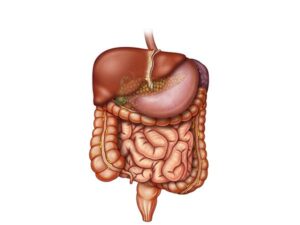
The digestive system
24,50 € Add to basketThe digestive system is a group of organs that break
down food into absorbable nutrients. It includes the
mouth, stomach, intestines, liver, and pancreas,
ensuring digestion and efficient nutrient absorption. -
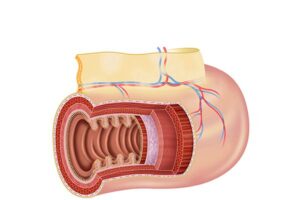
The layers of the gastrointestinal tract
24,50 € Add to basketThe layers of the gastrointestinal tract include the
mucosa, submucosa, muscularis, and serosa. The mucosa
produces enzymes and absorbs nutrients, while the
submucosa contains blood vessels and nerves. -
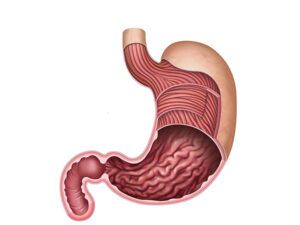
The layers of the stomach
24,50 € Add to basketThe layers of the stomach include the mucosa, submucosa,
muscularis, and serosa. The gastric mucosa produces acid
and digestive enzymes, while the muscular layers mix food
during digestion.