Suprarenal
Showing 61–72 of 150 results
-
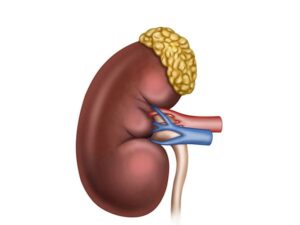
Kidney physiology
24,50 € Add to basketKidney physiology explains how these organs filter blood,
remove waste, and regulate water, electrolytes, and pH.
They also perform essential hormonal functions to maintain
body balance.


-
Kidney representation
24,50 € Add to basketThe kidney representation shows a sagittal section with
cortex, medulla, and renal pelvis. It helps understand
internal structure, filtration, urine formation, and fluid
regulation. -
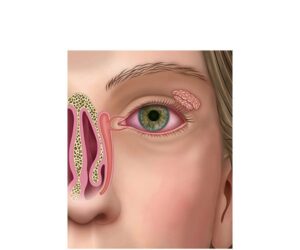
Lacrimal Sjögren’s syndrome
24,50 € Add to basketLacrimal Sjögren’s syndrome is a pathology where the immune system
attacks the glands responsible for lubrication, reducing tear production.
This autoimmune condition causes severe ocular irritation, a foreign body
sensation, and chronic facial dryness. -
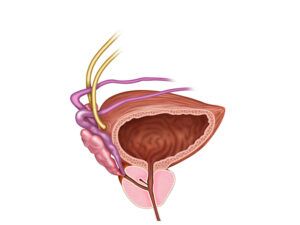
Lateral view of prostate and bladder
24,50 € Add to basketThe prostate lies below the bladder and surrounds the urethra.
It produces prostatic fluid that forms part of semen, while the
bladder stores and expels urine in the male urinary system. -
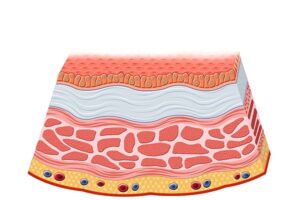
Layers of the bladder wall
24,50 € Add to basketThe bladder wall consists of mucosa, submucosa, detrusor
muscle, and serosa. These layers allow expansion, storage,
and contraction of the bladder during urination. -
Lips in Sjögren’s syndrome
24,50 € Add to basketLips in Sjögren’s syndrome describe the extreme dryness and cracking
caused by the immune system’s attack on the salivary glands. This
condition reduces saliva production, affecting lip flexibility and causing
persistent facial irritation. -
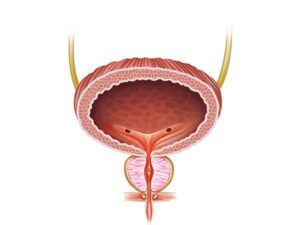
Male bladder anatomy.
24,50 € Add to basketThe male bladder is a hollow muscular organ in the
pelvis that stores urine. It is closely related to the
prostate, which surrounds the urethra and influences
urinary flow and function. -
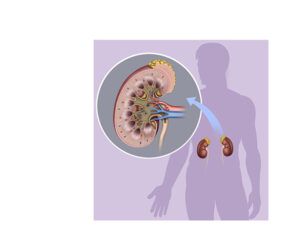
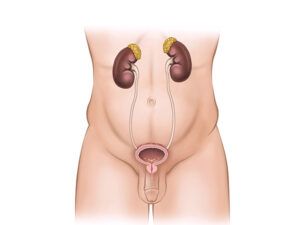
Male urinary system
24,50 € Add to basketThe male urinary system includes the kidneys, ureters,
bladder, and urethra. It filters blood, produces urine, and
allows its transport, storage, and elimination, maintaining
body balance. -
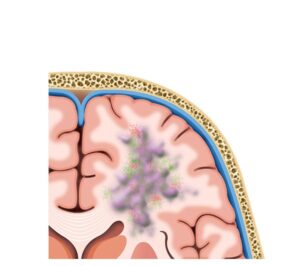
Multifocal leukoencephalopathy
24,50 € Add to basketProgressive multifocal leukoencephalopathy is a demyelinating
disease caused by the reactivation of the JC virus in immunosuppressed
patients. This condition destroys brain white matter, causing multifocal
lesions that lead to severe, irreversible motor, cognitive, and visual deficits. -
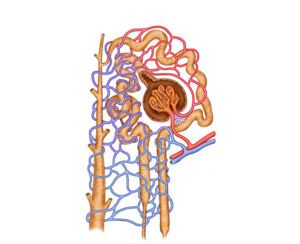
Nephron structure
24,50 € Add to basketThe nephron is the functional unit of the kidney. It filters blood
in the renal corpuscle and modifies the filtrate in the tubules,
reabsorbing nutrients and eliminating waste and excess fluids. -
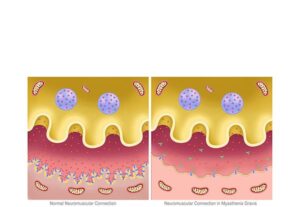
Neuromuscular synapse myasthenia
24,50 € Add to basketNeuromuscular synapse myasthenia explains muscle weakness
caused by antibodies blocking acetylcholine. This disruption in the
neuromuscular junction generates fatigue and failures in nerve
communication that affect voluntary movement. -
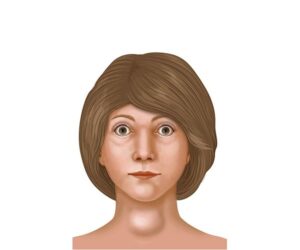
Ocular hyperthyroidism and goiter
24,50 € Add to basketOcular hyperthyroidism and goiter describe the effects of Graves’
disease, manifested in neck enlargement and eye protrusion. This
autoimmune condition causes drastic physical changes due to the
excess of thyroid hormones.