Women
Showing 1–12 of 28 results
-
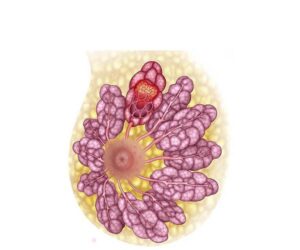
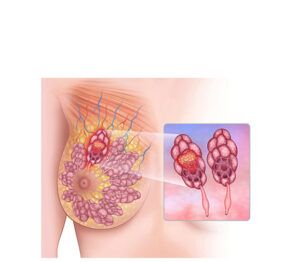
Affected breast lobule
24,50 € Add to basketAffected mammary lobe. It represents glandular tissue with
carcinoma, showing abnormal cell proliferation, alteration
structural and compromise of mammary function, with possible
tumor progression.


-
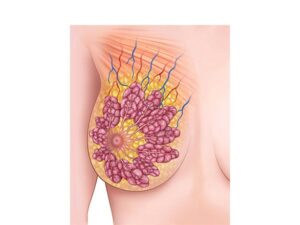
Anatomy of the breasts
24,50 € Add to basketThe anatomy of the breasts explains the internal organization
of breast tissue. It includes mammary lobes, lactiferous ducts,
adipose tissue, and a vascular network that supports the function
of the mammary glands. -
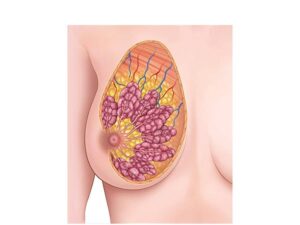
Anatomy of the mammary glands
24,50 € Add to basketThe anatomy of the mammary glands explains how
lobes, ducts, and tissues are organized within the breast.
These glands, located in the female chest, play an essential
role in milk production and breastfeeding. -
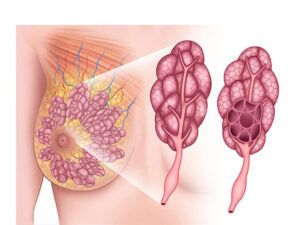
Anatomy of the mammary lobes
24,50 € Add to basketThe anatomy of mammary lobes explains the internal
organization of the mammary glands. These glandular
structures contain lobules and lactiferous ducts responsible
for milk production and transport during breastfeeding. -
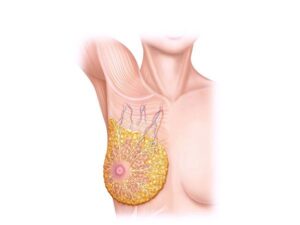
Anatomy the suspensory ligaments
24,50 € Add to basketThe suspensory ligaments of the breast, also known as
Cooper’s ligaments are fibrous connective structures that
support the breasts and help maintain their shape and
position on the chest wall. -
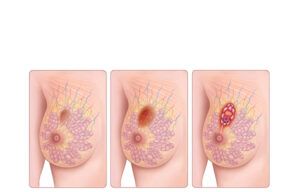
Breast cancer stages
24,50 € Add to basketStages of breast cancer. Progression from localized tumor to
metastasis, where the cells spread to the lymph nodes and
organs, increasing the severity and affecting the clinical prognosis. -
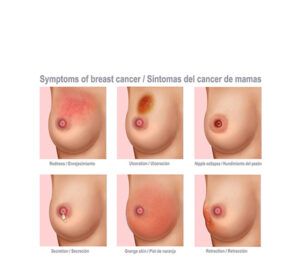
Breast cancer symptoms
24,50 € Add to basketSymptoms of breast cancer. They include lumps, changes in size
or shape of the breast, skin changes, discharge, and pain, being
key signs for early detection and timely medical evaluation. -
Breast lobular tumor
24,50 € Add to basketLobular breast tumor. Comparison between the healthy lobe and
affected, showing the tumor mass that can be benign or malignant,
with structural changes and risk of tissue invasion. -
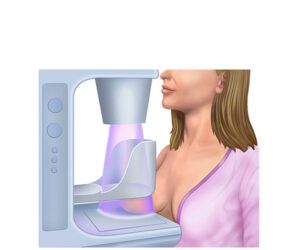
Breast mammography
24,50 € Add to basketBreast mammography. Radiological study that allows for
detecting lesions, masses, and microcalcifications in the breast
tissue, facilitating the early diagnosis of cancer and improving
the clinical prognosis. -
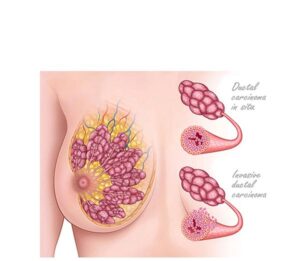
Ductal carcinomas
24,50 € Add to basketDuctal carcinomas. Comparison between carcinoma in situ and
invasive carcinoma, where the cells go from being confined in
ducts to invade tissues, increasing the risk of dissemination and
affecting the prognosis. -
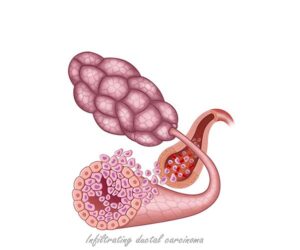
Invasive ductal carcinoma
24,50 € Add to basketInvasive ductal carcinoma. Breast cancer that originates in the
ducts and spreads to nearby tissues, with a risk of metastasis.
Their diagnosis includes mammography and biopsy, and the
treatment varies according to the stage. -
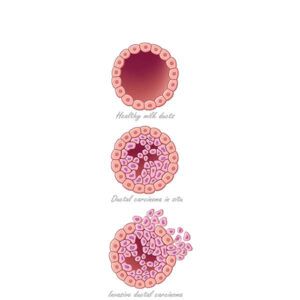
Invasive ductal carcinoma
24,50 € Add to basketEl carcinoma invasivo ha roto dicha membrana, infiltrando tejido
mamario circundante y con potencial de metástasis. El carcinoma
in situ es cáncer no invasivo confinado a los conductos o lobulillos
sin romper la membrana basal.