Women
Showing 13–24 of 28 results
-
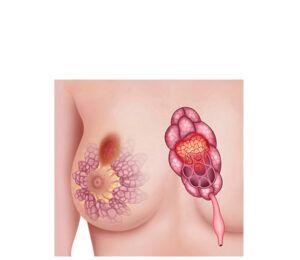
Lobular breast cancer
24,50 € Add to basketLobular breast cancer. A tumor that originates in the lobules and
may not form lumps, making detection difficult. Includes forms
in situ and invasive, with a risk of dissemination and the need for
early diagnosis.


-
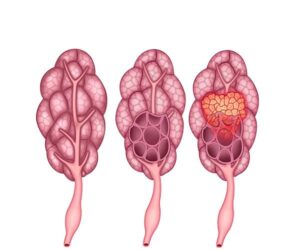
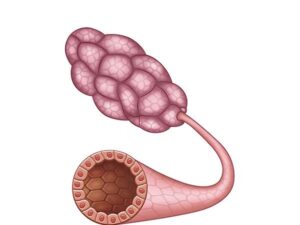
Lobular breast stages
24,50 € Add to basketStages of mammary lobules. Comparison between healthy
lobe and affected by carcinoma, showing structural changes,
abnormal cell proliferation and alteration of function
glandular in the breast tissue. -
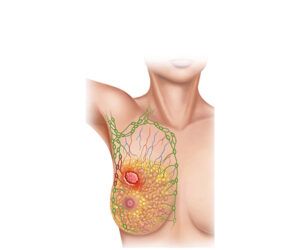
Lymphatic breast cancer
24,50 € Add to basketLymphatic breast cancer. Lymph node involvement by
tumor cells originating from breast tissue, indicating
cancer dissemination and greater clinical complexity in its
treatment. -
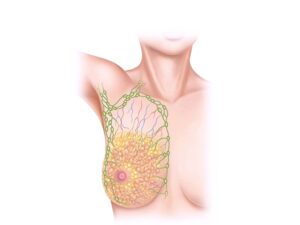
Lymphatic system of the breasts
24,50 € Add to basketThe lymphatic system of the breasts is a network of
vessels that drains lymph from breast tissue to nearby
lymph nodes. This system plays an important immune
role and is crucial for understanding the spread of
breast cancer. -
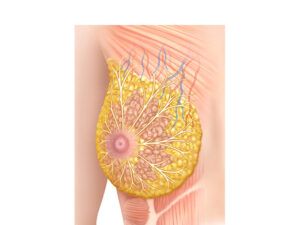
Mammary ligaments.
24,50 € Add to basketMammary ligaments, also known as Cooper’s ligaments,
are fibrous connective structures that support breast tissue.
In addition, they help maintain breast shape and provide
structural stability within the breast. -
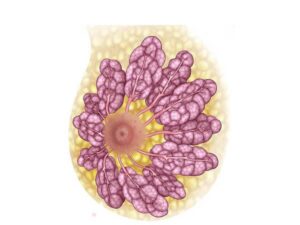
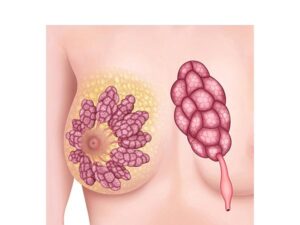
Mammary lobe diagram
24,50 € Add to basketThe mammary lobe diagram shows one of the structural
units of the breast. Each breast contains multiple lobes
separated by connective tissue and formed by lobules and
ducts involved in milk production. -
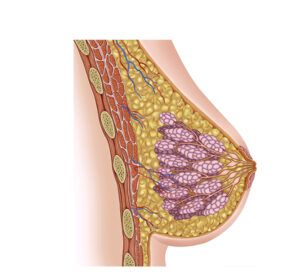
Physiology of female breasts
24,50 € Add to basketThe physiology of female breasts explains how breast tissues
function. It includes mammary glands, lactiferous ducts, and
adipose tissue, structures responsible for milk production and
transport during breastfeeding. -
Structure of the mammary lobes
24,50 € Add to basketThe structure of the mammary lobes explains how
glandular tissues are organized inside the breast.
Each breast contains lobes, lobules, and ducts
responsible for milk production and transport
during breastfeeding. -
Suspensory ligaments of the breast.
24,50 € Add to basketSuspensory ligaments of the breast, also known as
Cooper’s ligaments are fibrous connective structures
that support breast tissue and help maintain the
natural shape and stability of the breasts.> -
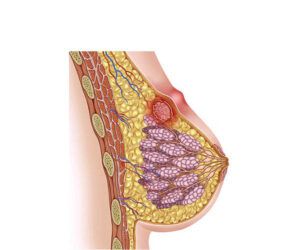
The breast cancer
24,50 € Add to basketBreast cancer. Malignant disease of breast tissue that can present
itself as ductal or lobular carcinoma, with the ability to invade
and metastasis, requiring early detection and specialized treatment. -
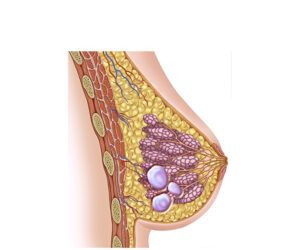
The breast cysts
24,50 € Add to basketBreast cysts. They are fluid-filled sacs in the breast tissue,
generally benign, which can vary with the hormonal cycle and
cause discomfort, being evaluated through medical studies. -
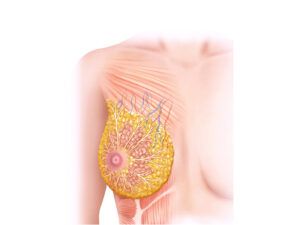
The female mammary gland
24,50 € Add to basketThe female mammary gland has a complex structure
formed by mammary lobes, lactiferous ducts, adipose
tissue, and a vascular network. These components support
milk production and transport during breastfeeding.