
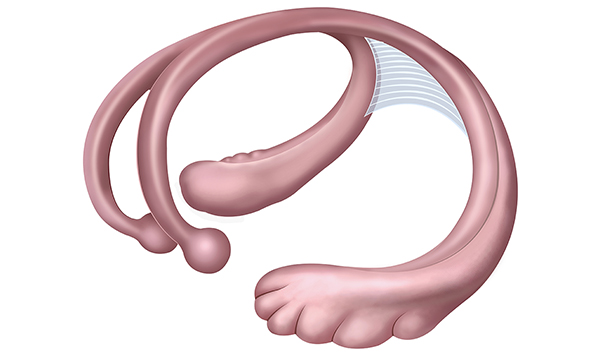



The cerebral fornix is a network of nerve fibers that connects different regions of the brain. Therefore, it plays an essential role in communication between areas responsible for memory and emotions. Additionally, it extends from the hippocampus to other structures, such as the hypothalamus and the mammillary bodies. Therefore, it functions as a neural bridge that allows information to flow efficiently.
Moreover, the fornix is crucial for memory consolidation. In fact, it helps transfer information between regions that process experiences and long-term recollections. In this way, it supports the formation and retrieval of memories. Also, it contributes to emotional processing, since it links areas involved in affective regulation.
On the other hand, communication between the hippocampus and the hypothalamus is vital for cognitive and emotional balance. Consequently, the fornix aids in coordinating memory with emotional responses. Furthermore, this interaction allows individuals to adapt to environmental changes. Thus, it plays a significant role in cognition and behavior.
In addition, alterations in the fornix can lead to neurological problems. For example, damage to this structure may contribute to memory impairment. In particular, neurodegenerative conditions such as Alzheimer’s disease are associated with deterioration of fornix connections. Therefore, studying this pathway is important for understanding brain disorders.
Overall, the cerebral fornix is a key structure in memory and emotional function. Finally, research on this neural pathway improves knowledge in neuroscience. Thus, it supports the development of diagnostic and therapeutic strategies for neurological conditions.