Showing 925–936 of 1048 results
-
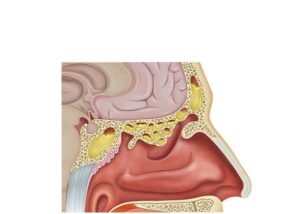
The sinus inflammation
24,50 € Add to basketThe sinus inflammation has an altered function in sinus
ventilation. Moreover, under normal conditions, these cavities
are air-filled. Additionally, mucus drains properly into the
nasal cavity.


-
The skin carcinoma
24,50 € Add to basketSkin carcinoma is a cutaneous cancer originating in the epidermis,
characterized by abnormal cell growth and lesion formation. Moreover,
it presents changes in texture, color, and structure, reflecting malignant
skin alterations. -
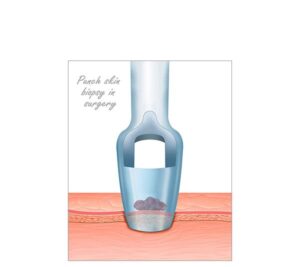
The skin punch biopsy
24,50 € Add to basketSkin punch biopsy is a diagnostic procedure that extracts a
cylindrical skin sample for analysis. Moreover, it helps evaluate
skin lesions, tumors, and dermatological conditions through
histological examination. -
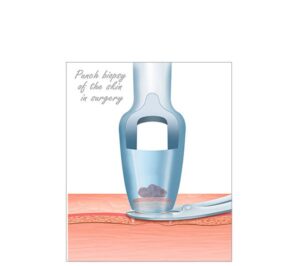
The skin punch extraction
24,50 € Add to basketSkin punch extraction is a diagnostic procedure that removes a
cylindrical skin sample for analysis. Moreover, it helps evaluate skin
lesions, tumors, and dermatological conditions through detailed
histological examination. -
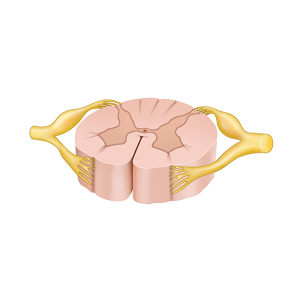
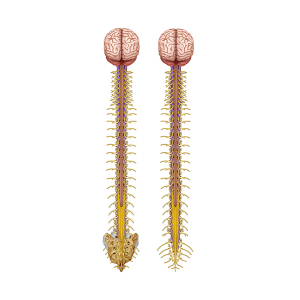
The spinal cord
24,50 € Add to basketThe segmented spinal cord shows its structural
organization, including gray and white matter,
nerve roots, and spinal nerves. This structure is
fundamental for the transmission of signals
between the brain and the body. -
The spinal nervous system
24,50 € Add to basketThe spinal nervous system is an essential component
of the peripheral nervous system and plays a fundamental
role in communication between the spinal cord and the
rest of the body. -
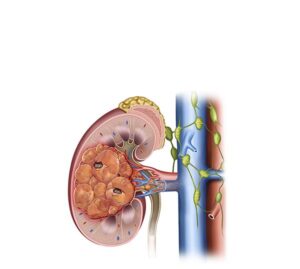
The stage 2 kidney cancer
24,50 € Add to basketStage 2 kidney cancer is an intermediate stage where the tumor
remains within the kidney without distant spread. Moreover, it may
cause pain or hematuria. Diagnosis is imaging-based, and treatment
usually involves surgery and clinical follow-up. -
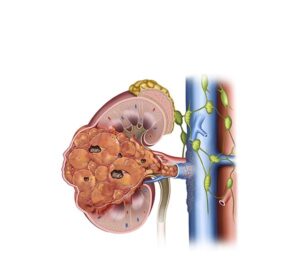
The stage 3 kidney cancer
24,50 € Add to basketStage 3 kidney cancer is a locally advanced tumor that invades nearby
tissues, lymph nodes, or blood vessels. Moreover, it may cause pain,
hematuria, and fatigue. Treatment includes surgery and systemic therapies
depending on the tumor extent. -
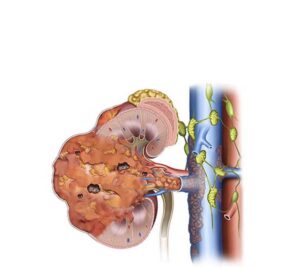
The stage 4 kidney cancer
24,50 € Add to basketStage 4 kidney cancer is an advanced stage where the tumor spreads
beyond the kidney to the lymph nodes and distant organs. Moreover, it
may cause pain, hematuria, and weight loss. Treatment includes targeted
therapy, immunotherapy, and sometimes surgery. -
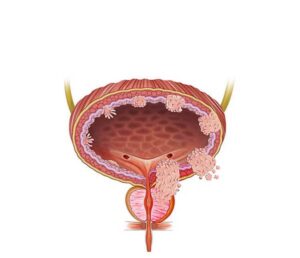
The stages of bladder cancer
24,50 € Add to basketStages of bladder cancer describe tumor progression from
superficial layers to deep tissues and nearby organs. Moreover,
types include transitional and squamous cell carcinoma. Diagnosis
and treatment depend on the extent of invasion and tumor spread. -
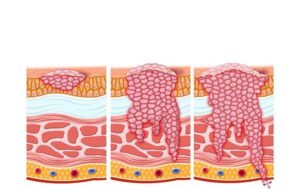
The stages of bladder cancer
24,50 € Add to basketStages of bladder cancer describe tumor progression from
superficial layers to deep tissues and nearby organs. Moreover,
diagnosis includes cystoscopy and imaging. Treatment varies by
stage and may involve surgery, immunotherapy, or chemotherapy. -
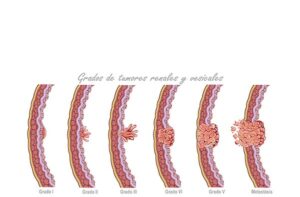
The stages of bladder tumor
24,50 € Add to basketStages of bladder tumor describe cancer progression from non
invasive disease to deep invasion and spread. Moreover, the diagnosis
includes cystoscopy and biopsy. Treatment varies by stage, ranging
from local therapies to surgery and systemic treatments.