Showing 1021–1032 of 1048 results
-
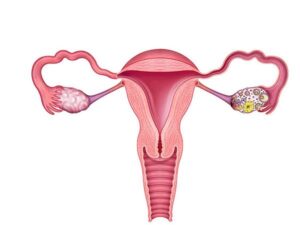
Uterine physiology
24,50 € Add to basketUterine physiology in section: shows internal layers like the
endometrium, along with the ovaries and tubes, explains
the menstrual cycle, implantation, and pregnancy development.


-
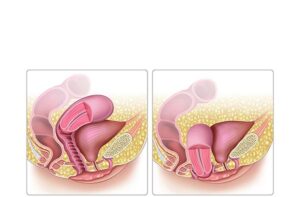
Uterine prolapse
24,50 € Add to basketUterine prolapse is the downward displacement of the uterus due
to pelvic floor weakness. It can cause pressure, discomfort, and
urinary problems, with treatment ranging from exercises to surgery. -
Uterine prolapse
24,50 € Add to basketUterine prolapse is the descent of the uterus due to weakened
pelvic floor muscles. It causes pressure, discomfort, and urinary
problems, with treatment ranging from exercises to surgery. -
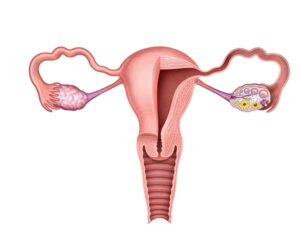
Uterus anatomy
24,50 € Add to basketUterus anatomy: a pear-shaped muscular organ in the pelvis
connected to the ovaries and fallopian tubes, with an endometrium
that thickens for implantation and supports pregnancy. -
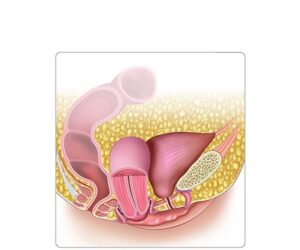
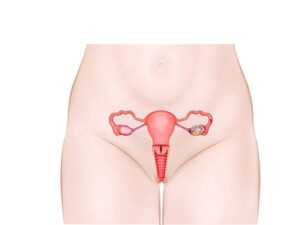
Uterus and female abdomen
24,50 € Add to basketUterus in the female abdomen is a muscular organ located in
the pelvis, between the bladder and the rectum, is connected to
ovaries and fallopian tubes, where implantation and pregnancy
development occurs. -
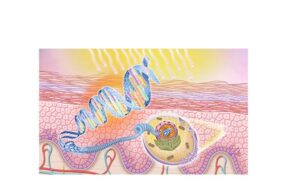
UV-induced DNA damage
24,50 € Add to basketUV-induced DNA damage occurs when ultraviolet radiation
breaks molecular bonds, leading to mutations, cellular
dysfunction, and increased skin cancer risk. -
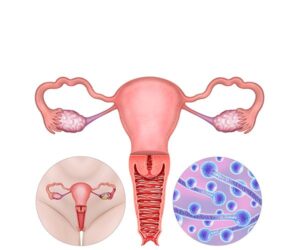
Vaginal candidiasis
24,50 € Add to basketVaginal candidiasis. This condition is a fungal infection caused
by the Candida albicans fungus. The process generates irritation,
intense itching, and abnormal discharge in the female genital area.
Medical diagnosis allows for proper management through the use
of antifungal treatments. -
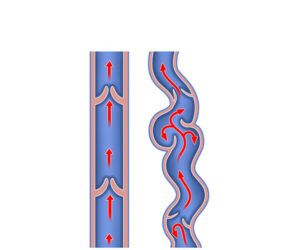
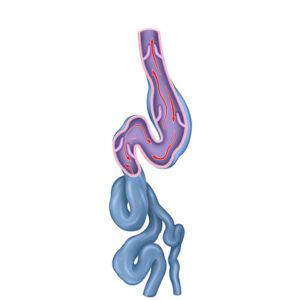
Varicose veins diagram
24,50 € Add to basketVaricose veins diagram compares a healthy vein and a damaged
one, showing blood reflux, pooling, vein dilation, and symptoms
such as pain, swelling, and heaviness. -
Varicose veins representation
24,50 € Add to basketVaricose veins representation shows dilated veins caused by
valve failure, leading to blood pooling, swelling, pain, and
visible skin changes associated with venous insufficiency. -
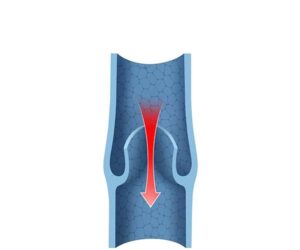
Varicose venous valve
24,50 € Add to basketVaricose venous valve. Valvular dysfunction that allows
blood reflux, causing blood accumulation, venous dilation
and symptoms such as pain, inflammation, and heaviness
in the legs. -
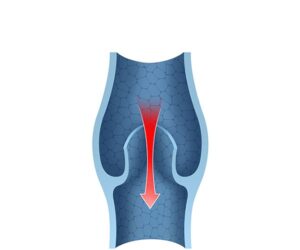
Varicose venous valves
24,50 € Add to basketVaricose venous valves show valve dysfunction, causing blood
reflux, vein dilation, and symptoms such as swelling, pain, and
heaviness linked to venous insufficiency. -
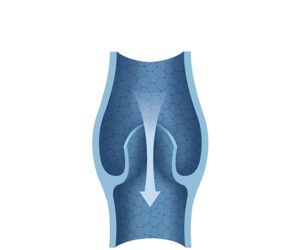
Vein with varicose valve
24,50 € Add to basketVein with varicose valve dysfunction shows failed venous valves
causing blood reflux, vein dilation, and symptoms like heaviness
and swelling linked to venous insufficiency.