Showing 997–1008 of 1048 results
-
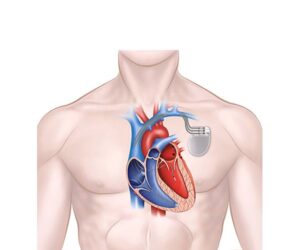
Triple chamber pacemaker
24,50 € Add to basketThe triple-chamber pacemaker has a general function in optimizing
cardiac synchronization. Moreover, under normal conditions, the
electrical system coordinates contractions. Additionally, it allows
efficient heartbeats.


-
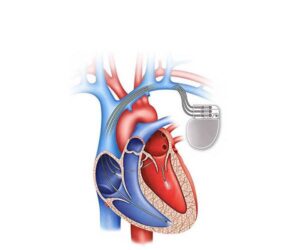
Triple chamber pacemaker
24,50 € Add to basketThe triple-chamber pacemaker plays a general role in improving
cardiac synchronization. In addition, under normal conditions,
the heart‘s electrical system coordinates the contractions. Also, it
allows for an efficient heartbeat. -
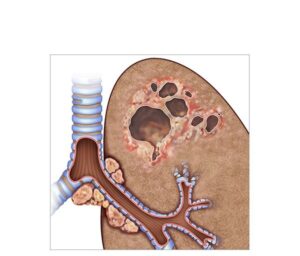
Tuberculosis and lung cancer
24,50 € Add to basketTuberculosis and lung cancer are serious lung diseases.
One is infectious and the other tumoral, but both damage
lung tissue and impair breathing. -
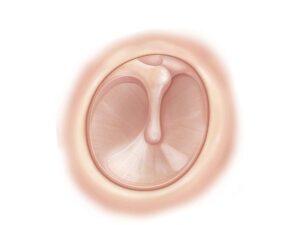
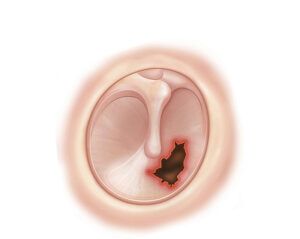
Tympanic membrane
24,50 € Add to basketThe tympanic membrane, located in the middle ear,
vibrates when sound waves reach it. These vibrations pass
to the auditory ossicles, which amplify the sound and send
it to the inner ear for conversion into electrical signals. -
Tympanic membrane rupture
24,50 € Add to basketThe tympanic membrane rupture has an altered function in
hearing. Moreover, under normal conditions, the eardrum
vibrates when receiving sound waves. Additionally, it transmits
these vibrations to the ossicles. -
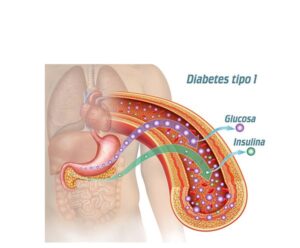
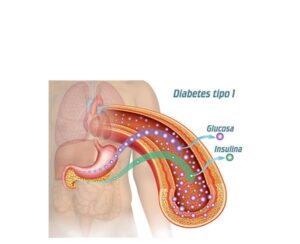
Type 1 diabetes
24,50 € Add to basketType 1 diabetes is an autoimmune disease in which the body does not
produces insulin. This causes elevated blood glucose levels, generating
metabolic symptoms and increasing the risk of serious complications if
not properly managed. -
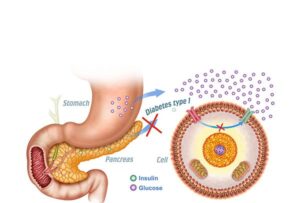
Type 1 diabetes
24,50 € Add to basketType 1 diabetes: an autoimmune disease where the pancreas does
not produce insulin. The body does not process glucose, affecting the
arteries and bloodstream. It requires diet, exercise, and medication
to permanently regulate sugar in children and adults with this chronic
condition. -
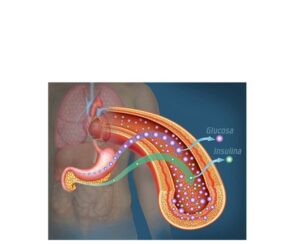
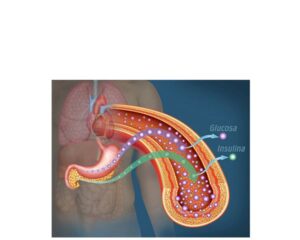
Type 1 diabetes physiology
24,50 € Add to basketThe physiology of type 1 diabetes explains the absence of insulin due
to autoimmune destruction of the pancreas. This prevents glucose
enter the cells, raising blood sugar levels and causing metabolic
complications if not controlled with insulin. -
Type 1 diabetes representation
24,50 € Add to basketThe representation of type 1 diabetes shows the lack of insulin due to
an autoimmune process. This causes the accumulation of glucose in the
blood, metabolic alterations, and the risk of serious complications if
it is not controlled with insulin and constant monitoring. -
Type 2 diabetes
24,50 € Add to basketLorem Ipsum es simplemente el texto de relleno de las imprentas
y archivos de texto. Lorem Ipsum ha sido el texto de relleno estándar
de las industrias desde el año 1500, cuando un impresor (N. del T
persona que se dedica a la imprenta) desconocido usó -
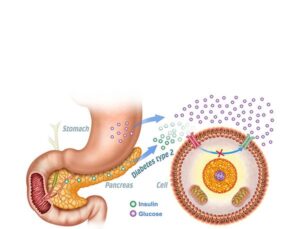
Type 2 diabetes physiology
24,50 € Add to basketThe physiology of type 2 diabetes explains how insulin resistance
insulin prevents glucose from entering the cells. This raises the
blood sugar, causes metabolic disturbances, and increases the risk
of complications such as cardiovascular diseases, renal, and vision
problems. -
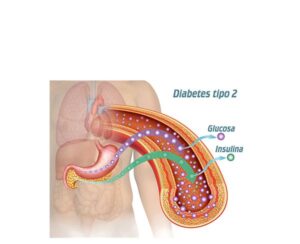
Type 2 diabetes representation
24,50 € Add to basketThe representation of type 2 diabetes shows how insulin resistance
prevents the proper use of glucose. This raises the sugar in the blood,
alters metabolism, and can cause serious complications such as
cardiovascular diseases, kidney problems, and vision issues.