Showing 1009–1020 of 1048 results
-
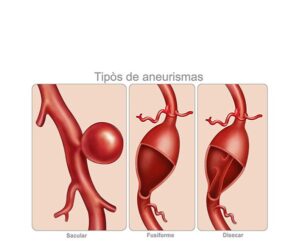
Types of aneurysms
24,50 € Add to basketTypes of aneurysms classify arterial dilations by shape and location,
including saccular, fusiform, true, and false forms, helping understand
clinical behavior, rupture risk, and treatment options.


-
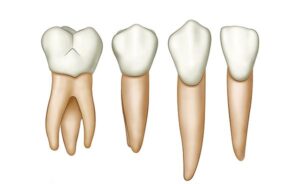
Types of teeth
24,50 € Add to basketTeeth are classified into incisors, canines, premolars,
and molars. Each type performs specific functions in
cutting, tearing, and grinding food during chewing. -
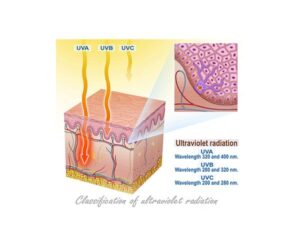
Ultraviolet radiation in the skin
24,50 € Add to basketEs un hecho establecido hace demasiado tiempo que
un lector se distraerá con el contenido del texto de un
sitio mientras que mira su diseño. El punto de usar
Lorem Ipsum -
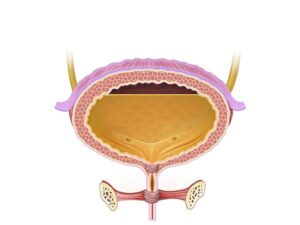
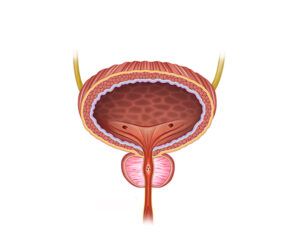
Urinary bladder anatomy
24,50 € Add to basketThe urinary bladder is a hollow muscular organ that
stores and expels urine. Located in the pelvis, it includes
the neck, body, and trigone, which regulate urine flow
and control urination. -
Urinary bladder and prostate
24,50 € Add to basketThe urinary bladder stores urine in the pelvis,
while the prostate surrounds the urethra and
produces prostatic fluid, influencing urination
and male reproductive function. -
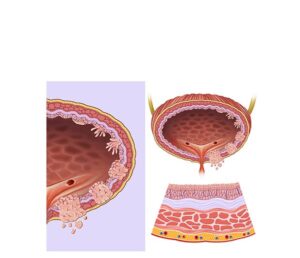
Urinary bladder tumor stages
24,50 € Add to basketUrinary bladder tumor stages. This illustration shows the progression
of cancer from the inner layer toward the deep layers of the bladder wall.
The content explains the difference between superficial and invasive
urothelial carcinoma, highlighting the importance of staging. -
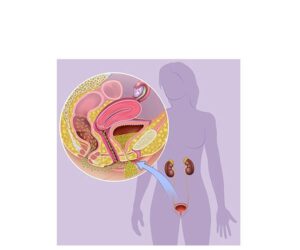
Urinary cystitis representation
24,50 € Add to basketUrinary cystitis is a bladder infection caused by bacteria that enter
through the urethra. It causes inflammation, pain when urinating,
urinary urgency, and pelvic discomfort, being more frequent in
women and requires appropriate treatment. -
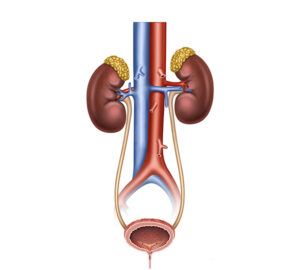
Urinary system anatomy
24,50 € Add to basketEs un hecho establecido hace demasiado tiempo que
un lector se distraerá con el contenido del texto de un
sitio mientras que mira su diseño. El punto de usar
Lorem Ipsum -
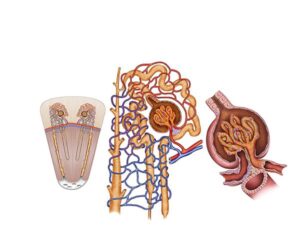
Urine formation diagram
24,50 € Add to basketUrine formation occurs in the kidney through filtration,
reabsorption, and secretion. The renal corpuscle and
tubules process blood, remove waste, and retain essential
substances. -
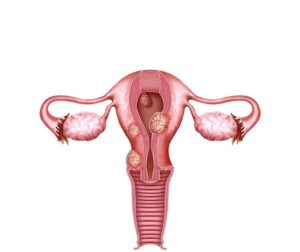
Uterine fibroids
24,50 € Add to basketUterine fibroids are benign tumors that develop in the uterus.
They may cause heavy bleeding, pelvic pain, and pressure, and
can be treated with medication, minimally invasive procedures,
or surgery. -
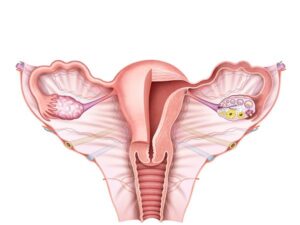
Uterine physiology
24,50 € Add to basketUterine physiology: hormonal processes regulating
the menstrual cycle, endometrial thickening, embryo
implantation, and menstruation when fertilization
does not occur. -
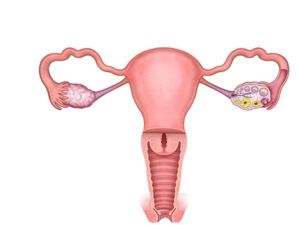
Uterine physiology
24,50 € Add to basketUterine physiology: organ composed of body, cervix, and isthmus
that regulates the menstrual cycle, enables implantation, supports
fetal development, and produces contractions during childbirth.