Showing 985–996 of 1048 results
-
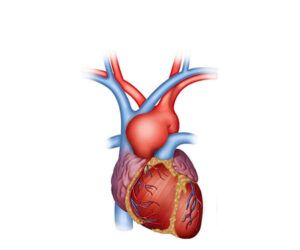
Thoracic aortic aneurysm
24,50 € Add to basketThe thoracic aortic aneurysm has an altered function in blood
circulation. Moreover, under normal conditions, the aorta
maintains its shape and strength. Additionally, it allows
continuous blood flow.


-
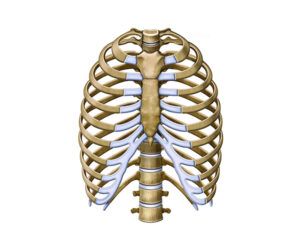
Thoracic cage frontal view
24,50 € Add to basketFrontal view of the rib cage, showing the bony structures of
the thorax. The ribs, connected to the spine and the sternum,
form the rib cage. The ribs are classified as true, false, and
floating, each playing a crucial role in protecting the internal
organs. -
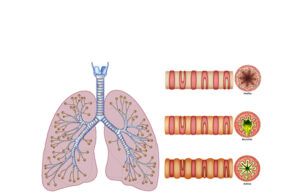
Three bronchial states
24,50 € Add to basketThe three bronchial states show a healthy bronchus, one with
bronchitis, and another with asthma. Each one presents inflammation,
mucus, or constriction, affecting airflow and constriction in the airways. -
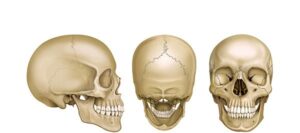
Three views of the skull
24,50 € Add to basketAn anatomical representation of the skull in frontal, lateral, and
posterior views provides a comprehensive understanding of its
bony structure. The skull protects the brain with sturdy, flat bones,
notably the frontal and occipital bones. -
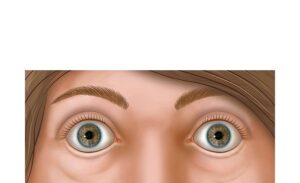
Thyroid ophthalmopathy
24,50 € Add to basketThyroid ophthalmopathy is an autoimmune disease that inflames
ocular fat and muscles, causing bulging eyes. This condition, linked to
hyperthyroidism, generates edema and visual changes that require a
precise medical diagnosis. -
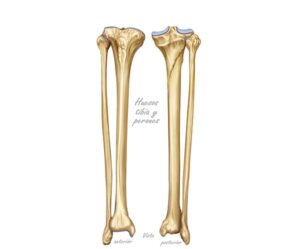
Tibia and fibula anatomy
24,50 € Add to basketTibia and fibula anatomy. These two long bones form the skeletal
structure of the lower leg. The tibia stands out for its ability to support
body weight and transmit loads, while the fibula provides lateral stability
and serves as an anchor for muscles essential for human locomotion. -
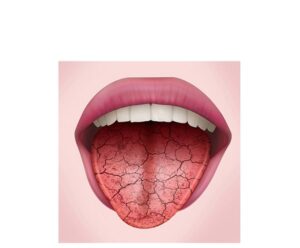
Tongue in Sjögren’s syndrome
24,50 € Add to basketTongue in Sjögren’s syndrome. This illustration shows the
impact of xerostomia on the tongue, highlighting the loss of papillae
and the appearance of fissures. The content explains how the lack of
saliva and inflammation alter the lingual surface in this autoimmune
condition. -
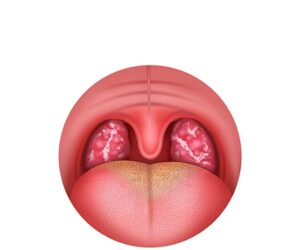
Tonsil inflammation
24,50 € Add to basketInflammation of the tonsils serves a general function altered in the
immune defense. In addition, in normal conditions, normal tonsils
help protect the body from infections. They also participate in the
immune response. -
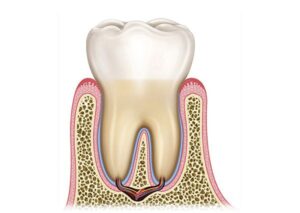
Tooth attachment
24,50 € Add to basketTooth attachment depends on the periodontium, a set of
tissues that connect the tooth root to the alveolar bone.
It includes the periodontal ligament, root cementum,
alveolar bone, and gums. -
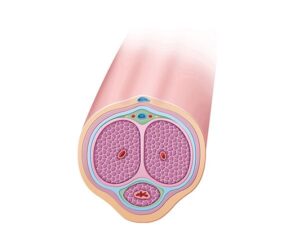
Transverse plane of the penis
24,50 € Add to basketTransverse plane of the penis. This visualization provides a
horizontal view of the male internal structures. The diagram includes
the corpora cavernosa and the corpus spongiosum. Furthermore, it
shows the urethra and connective tissues essential for erectile function
and urination. -
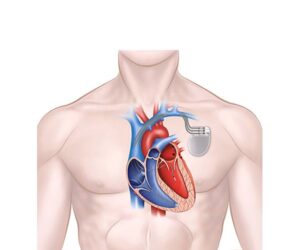
Tricameral pacemaker
24,50 € Add to basketTricameral pacemaker. This illustration shows a medical
device implanted in the heart to regulate the heart rate. The
system stimulates the atria and ventricles to coordinate the
contraction between the chambers, improving efficiency in
cases of heart failure. -
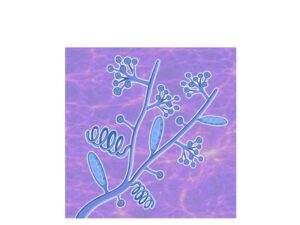
Trichophyton fungi
24,50 € Add to basketTrichophyton fungi are dermatophytes that infect skin, hair,
and nails, causing ringworm such as athlete’s foot through
keratin degradation and contact transmission.