Showing 973–984 of 1048 results
-
The ureteral stones
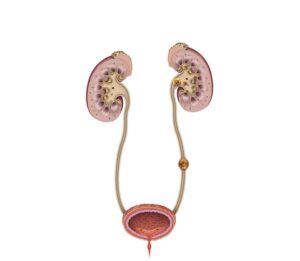
24,50 € Add to basketUreteral stones are solid deposits that form in the ureters and
may block urine flow. Moreover, they cause severe pain, nausea,
and hematuria. Diagnosis is imaging-based, and treatment ranges
from conservative management to surgical intervention.


-
The ureteroscopy diagnosis
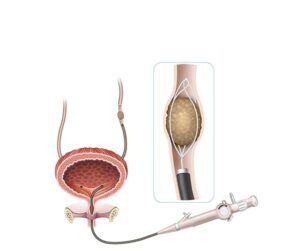
24,50 € Add to basketUreteroscopy diagnosis is a minimally invasive procedure used to
visualize and treat urinary stones. Moreover, it uses a thin endoscope
and laser techniques to fragment or remove stones, restoring urine flow
without open surgery. -
The ureteroscopy for ureteral stones
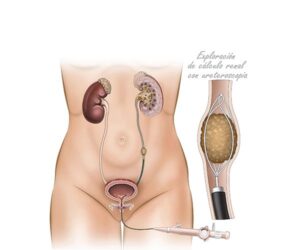
24,50 € Add to basketUreteroscopy for ureteral stones is a minimally invasive procedure
that allows direct visualization and treatment of stones in the ureter.
Moreover, it uses an endoscope and laser to fragment or remove stones,
restoring urine flow and relieving pain. -
The urinary incontinence
24,50 € Add to basketUrinary incontinence refers to involuntary urine leakage caused
by bladder or sphincter dysfunction. Moreover, it may coexist with
urinary retention. Diagnosis is clinical and functional, and treatment
includes exercises, medications, or surgery depending on the cause. -
The varicose veins
24,50 € Add to basketVaricose veins are dilated and twisted veins caused by valve
dysfunction, leading to blood pooling, pain, swelling, and fatigue,
commonly affecting the legs. -
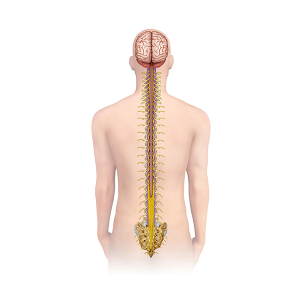
The vertebral column
24,50 € Add to basketThe vertebral column is the bony structure that forms
the central axis of the human skeleton and houses the
spinal cord. It also provides support for the body and
protects the central nervous system. -
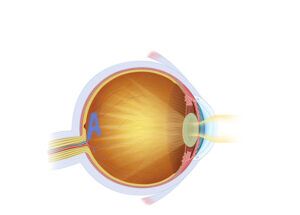
The vision with cataracts
24,50 € Add to basketVision with cataracts. The scheme reflects the opacity of the lens, as
the natural lens of the eye, which blurs the sight and affects correct
focusing. The surgical treatment consists of the extraction of the
opaque tissue and its replacement with an artificial lens to restore
visual clarity. -
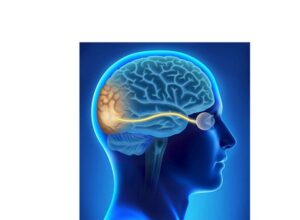
The visual system
24,50 € Add to basketThe visual system includes the eye, optic nerve, and
visual cortex. These structures convert light into nerve
signals that allow the brain to perceive images, colors,
shapes, and movement. -
The weak bladder sphincter
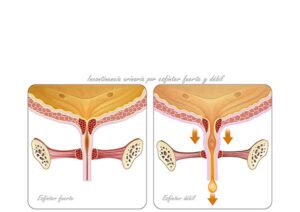
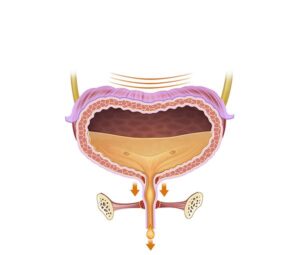
24,50 € Add to basketWeak bladder sphincter causes involuntary urine leakage due
to urethral sphincter weakness. Moreover, it may result from aging
or previous surgeries. Treatment includes pelvic floor exercises,
lifestyle changes, and medical procedures or surgery in severe cases. -
The weak sphincter incontinence
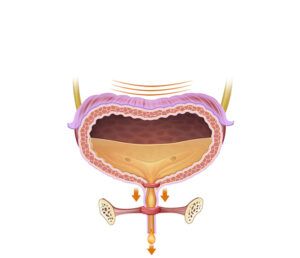
24,50 € Add to basketWeak sphincter incontinence is the involuntary leakage of
urine due to urethral sphincter weakness. Moreover, it may occur
during daily activities or effort. Treatment includes pelvic floor
exercises, lifestyle changes, and medical procedures in severe cases. -
The white piedra infection
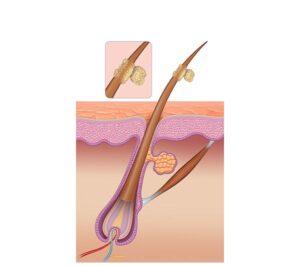
24,50 € Add to basketWhite piedra infection is a superficial fungal condition caused
by Trichosporon spp., characterized by whitish nodules attached to
hair shafts. Moreover, it affects scalp, beard, or pubic hair without
significant inflammation. -
Thinness due to hyperthyroidism
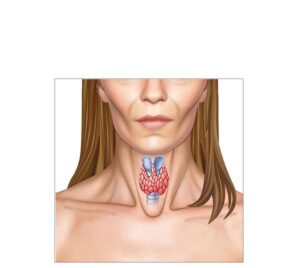
24,50 € Add to basketThinness due to hyperthyroidism explains the involuntary
weight loss caused by an overactive thyroid gland. This autoimmune
condition accelerates metabolism, causing hormone excess that
makes maintaining a healthy weight difficult and alters facial
appearance.