Showing 13–24 of 1048 results
-
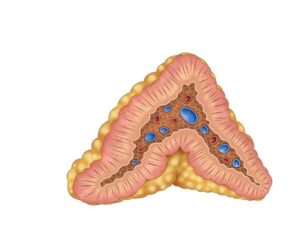
Adrenal gland anatomy
24,50 € Add to basketThe adrenal gland consists of the cortex and the medulla.
It produces hormones like cortisol, aldosterone, and adrenaline,
regulating metabolism, fluid balance, and the body’s response
to stress.


-
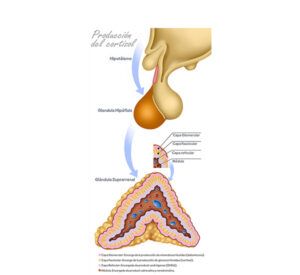
Adrenal gland and cortisol
24,50 € Add to basketThe adrenal gland produces cortisol in response to ACTH
from the pituitary. This hormone regulates metabolism,
blood pressure, and stress response, maintaining body
balance. -
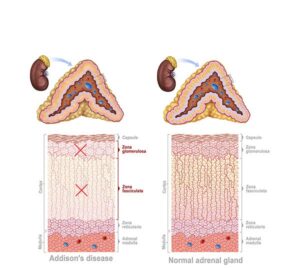
Adrenal gland disorders
24,50 € Add to basketAdrenal gland disorders: conditions where the adrenal cortex loses
sharpness and functionality in the glomerular and fascicular zones. This
reduces cortisol and aldosterone production, usually due to immune
causes. It requires lifelong medical control and hormonal treatment. -
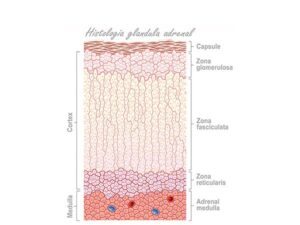
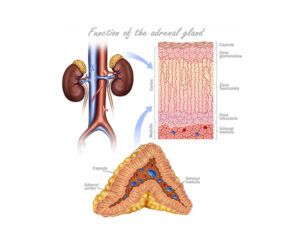
Adrenal gland histology
24,50 € Add to basketAdrenal gland histology studies its microscopic structure.
It includes the cortex and medulla, which produce steroid
hormones and catecholamines, regulating metabolism and
stress response. -
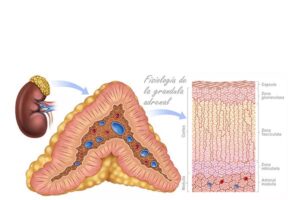
Adrenal gland physiology
24,50 € Add to basketAdrenal gland physiology regulates metabolism and blood
pressure. The cortex produces cortisol and aldosterone, while
the medulla secretes adrenaline for the stress response. -
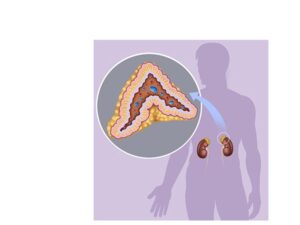
Adrenal gland representation
24,50 € Add to basketThe adrenal gland sits above the kidneys and consists of
the cortex and medulla. It produces hormones like cortisol,
aldosterone, and adrenaline, regulating metabolism, fluids,
and stress response. -
Adrenal gland representation
24,50 € Add to basketThe adrenal gland is shown in sagittal section, revealing
cortex and medulla. It produces hormones like cortisol,
aldosterone, and adrenaline, regulating metabolism, fluids,
and stress response. -
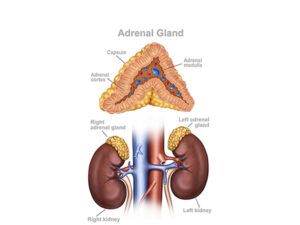
Adrenal glands and kidneys
24,50 € Add to basketKidneys and adrenal glands work together. Kidneys
filter blood and regulate fluids, while the adrenal glands
produce hormones like cortisol, aldosterone, and
adrenaline for body balance. -
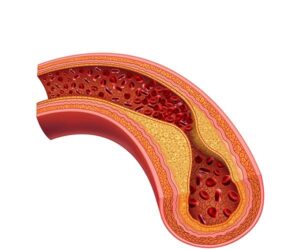
Advanced arteriosclerosis
24,50 € Add to basketAdvanced arteriosclerosis is a severe stage with extensive plaque
buildup that significantly reduces blood flow and increases the risk
of heart attack, stroke, and serious cardiovascular complications. -
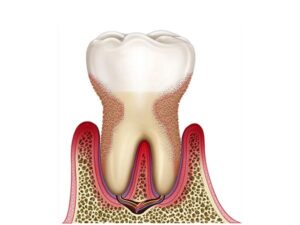
Advanced periodontal stage
24,50 € Add to basketThe advanced periodontal stage is a severe form of periodontitis
with extensive bone loss, gum recession, and tooth mobility,
often leading to tooth loss and requiring advanced treatment. -
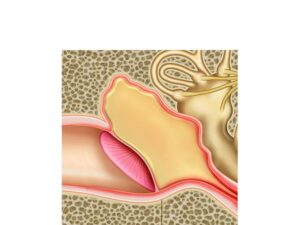
Advanced serous otitis media
24,50 € Add to basketThe advanced serous otitis media has an altered function in
hearing. Moreover, under normal conditions, the middle ear is
air-filled. Additionally, the Eustachian tube regulates pressure.
Furthermore, it impairs sound transmission. -
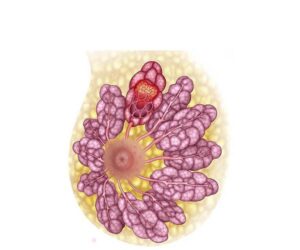
Affected breast lobule
24,50 € Add to basketAffected mammary lobe. It represents glandular tissue with
carcinoma, showing abnormal cell proliferation, alteration
structural and compromise of mammary function, with possible
tumor progression.