Showing 49–60 of 1048 results
-
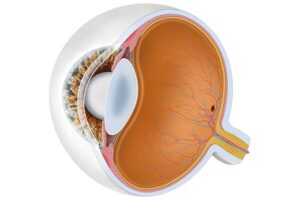
Anatomy of the eye
24,50 € Add to basketEye anatomy includes the cornea, iris, pupil, lens, and retina
and the optic nerve that work together to capture light and create
visual perception.


-
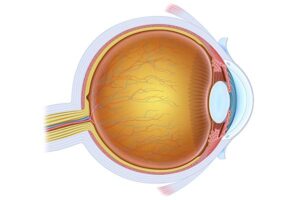
Anatomy of the eye
24,50 € Add to basketHuman eye anatomy includes structures such as the cornea,
iris, pupil, lens, retina, and optic nerve. These components work
together to focus light, convert it into nerve signals, and allow
the brain to perceive visual images clearly. -
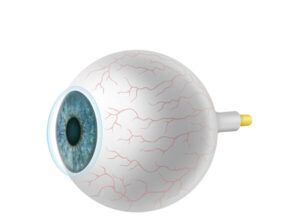
Anatomy of the eyeball
24,50 € Add to basketThe eyeball is a spherical structure composed of layers
such as the sclera, cornea, and retina. These structures
allow light to enter the eye, focus images, and convert
light into nerve signals for vision. -
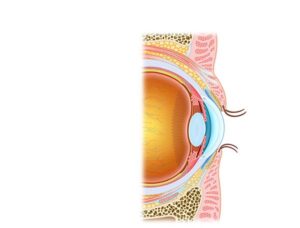
Anatomy of the eyelids
24,50 € Add to basketThe eyelids protect the eye and help maintain ocular
moisture through blinking. Eyelashes and sebaceous
glands prevent particles from entering the eye and
support tear film stability. -
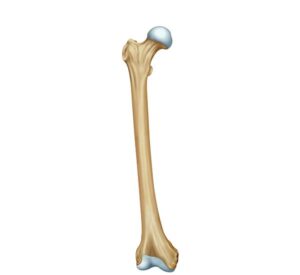
Anatomy of the femur bone
24,50 € Add to basketAnatomy of the femur bone. The longest and strongest bone in
the body is located between the hip and the knee. Its structure,
composed of head, neck, and shaft, facilitates body weight support
and musculoskeletal mobility through its connection with the pelvis
and the tibia. -
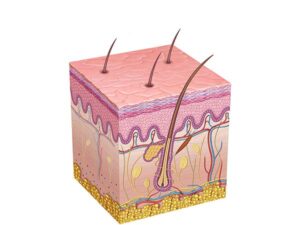
Anatomy of the Human Skin
24,50 € Add to basketHuman skin is the largest organ of the body. It is composed
of the epidermis, dermis, and hypodermis, which protect,
regulate temperature, and enable sensation through vessels,
nerves, and skin appendages. -
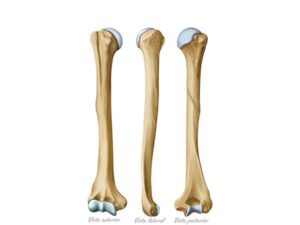
Anatomy of the humerus bone
24,50 € Add to basketAnatomy of the humerus, shown in three views. It extends from the
shoulder to the elbow. It consists of the head, neck, and shaft.
It articulates with the scapula at the shoulder and with the ulna and
radius at the elbow, allowing for a wide range of arm movements. -
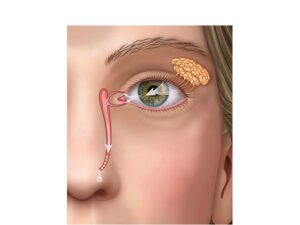
Anatomy of the lacrimal glands
24,50 € Add to basketAnatomy of the lacrimal glands: eye structures that produce
tears, lubricate the surface, remove particles, and protect
against infections, maintaining a balance between production
and drainage. -
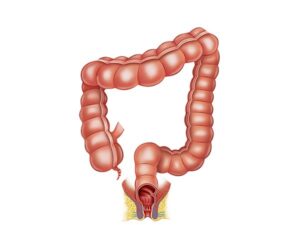
Anatomy of the Large Intestine.
24,50 € Add to basketAnatomy of the Large Intestine. explains the final part of
the digestive system, where water and electrolytes are
absorbed and feces are formed, including the cecum and
all colon segments. -
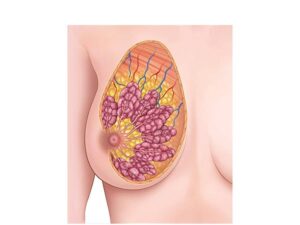
Anatomy of the mammary glands
24,50 € Add to basketThe anatomy of the mammary glands explains how
lobes, ducts, and tissues are organized within the breast.
These glands, located in the female chest, play an essential
role in milk production and breastfeeding. -
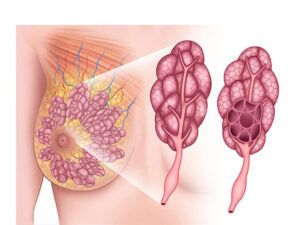
Anatomy of the mammary lobes
24,50 € Add to basketThe anatomy of mammary lobes explains the internal
organization of the mammary glands. These glandular
structures contain lobules and lactiferous ducts responsible
for milk production and transport during breastfeeding. -
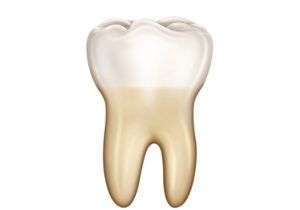
Anatomy of the molar
24,50 € Add to basketThe tongue is a muscular organ essential for taste, speech,
and swallowing. Its taste buds detect flavors, while its muscles
allow the mobility necessary for eating.