Showing 61–72 of 1048 results
-
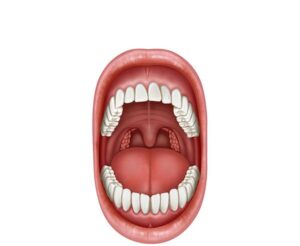
Anatomy of the mouth
24,50 € Add to basketAnatomy of the mouth in digestion and speech. The
mouth is the first part of the digestive system and
plays a fundamental role in both eating and speech.


-
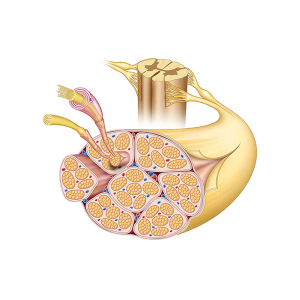
Anatomy of the nerve
24,50 € Add to basketThe anatomy of the nerve is composed of nerve fibers,
sheaths, and blood vessels. These fibers are made up
of axons and dendrites that transmit signals.
-
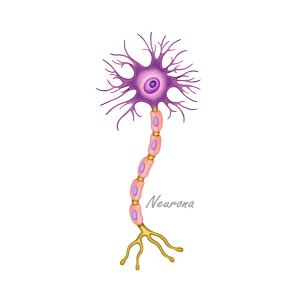
Anatomy of the neuron
24,50 € Add to basketThe anatomy of the neuron focuses on the structure
and function of these nerve cells. First, the neuron
consists of key parts such as the cell body, dendrites,
and axons.
-
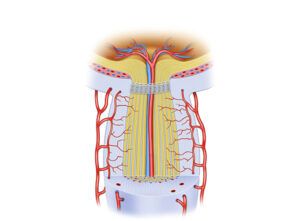
Anatomy of the Optic Nerve
24,50 € Add to basketThe optic nerve connects the retina to the brain and
transmits electrical signals generated by photoreceptors.
These signals are processed in the visual cortex, allowing
the brain to interpret visual images. -
Anatomy of the Pericardium
24,50 € Add to basketThe anatomy of the pericardium shows the layers that
surround the heart. It includes the fibrous pericardium
and the serous pericardium, divided into parietal and
visceral layers that protect the heart and allow smooth
cardiac movement. -
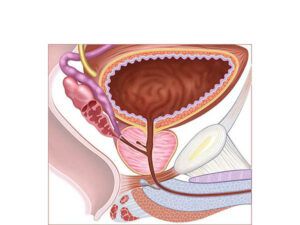
Anatomy of the prostate and bladder
24,50 € Add to basketAnatomy of the prostate and bladder: sagittal view showing
the bladder as a urinary organ and the prostate as a reproductive
gland beneath it, both connected to the urethra. -
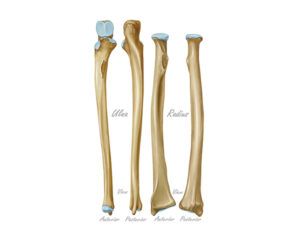
Anatomy of the radius and ulna bones
24,50 € Add to basketEs un hecho establecido hace demasiado tiempo que
un lector se distraerá con el contenido del texto de un<br />sitio mientras que mira su diseño. El punto de usar
Lorem Ipsum -
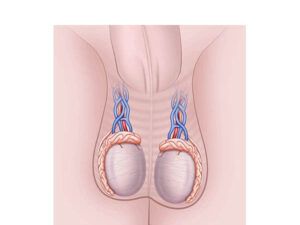
Anatomy of the scrotum and testes
24,50 € Add to basketAnatomy of the scrotum and testes: the external structure that
protects the testes, regulates temperature through the cremaster
muscle, and enables sperm and testosterone production. -
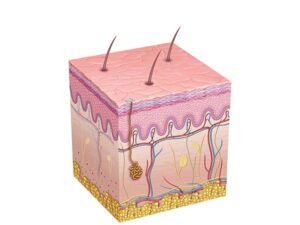
Anatomy of the skin
24,50 € Add to basketThe skin is the largest organ of the human body. It consists
of the epidermis, dermis, and hypodermis, which protect,
regulate temperature, and enable sensory perception through
vessels, nerves, and skin appendages. -
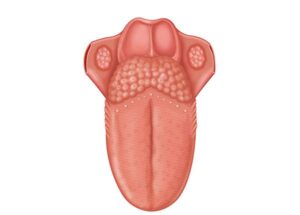
Anatomy of the tongue
24,50 € Add to basketThe tongue is a muscular organ essential for taste, speech,
and swallowing. Its taste buds detect flavors, while its muscles
allow the mobility necessary for eating. -
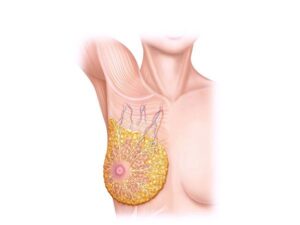
Anatomy the suspensory ligaments
24,50 € Add to basketThe suspensory ligaments of the breast, also known as
Cooper’s ligaments are fibrous connective structures that
support the breasts and help maintain their shape and
position on the chest wall. -
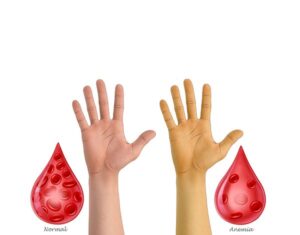
Anemia and skin color
24,50 € Add to basketAnemia and skin color: a condition where the lack of hemoglobin
reduces oxygen transport, causing pale or yellowish skin instead of
a healthy pink tone. It is a key sign of iron deficiency and requires
nutritional treatment