Showing 97–108 of 1048 results
-
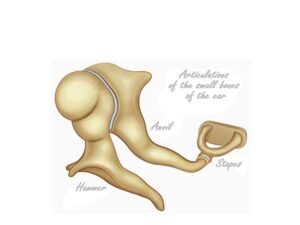
Auditory ossicles
24,50 € Add to basketThe ossicles of the middle ear. Also known as auditory ossicles,
these are three small bones in the middle ear: the malleus,
incus, and stapes. These bones transmit vibrations from the
eardrum to the inner ear, facilitating hearing.


-
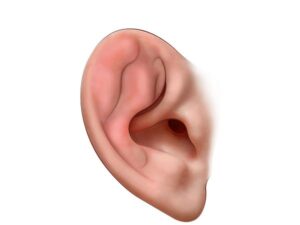
Auricular perichondritis
24,50 € Add to basketThe auricular perichondritis has an altered function in external ear
integrity. Moreover, under normal conditions, the perichondrium
nourishes the cartilage. Additionally, it maintains its structure and
viability. Furthermore, it ensures the shape of the auricle. -
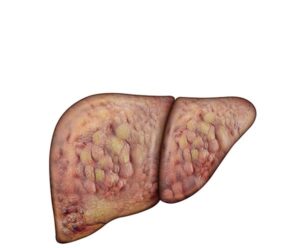
Autoimmune hepatitis and cirrhosis
24,50 € Add to basketAutoimmune hepatitis and cirrhosis describe how an immune
system attack inflames the liver until it causes irreversible scarring.
Immunosuppressive treatment is vital to stop progression toward
liver failure and cirrhosis. -
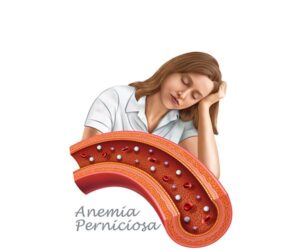
Autoimmune pernicious anemia
24,50 € Add to basketAutoimmune pernicious anemia: a disorder where the immune
system attacks stomach cells, preventing vitamin B12 absorption.
This causes ineffective red blood cells, fatigue, and neurological damage.
It requires lifelong B12 injection. -
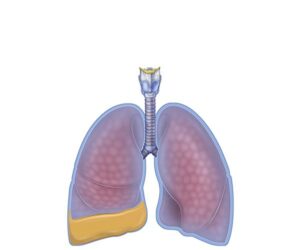
Autoimmune pleural effusion
24,50 € Add to basketAutoimmune pleural effusion is the accumulation of fluid between
the pleural layers caused by diseases such as lupus or rheumatoid
arthritis. This condition generates inflammation, chest pain, and
shortness of breath, requiring thoracentesis for analysis and accurate
diagnosis. -
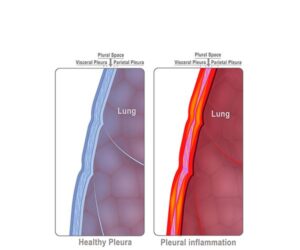
Autoimmune pleurisy
24,50 € Add to basketAutoimmune pleurisy is the inflammation of the pleural membrane
caused by diseases such as lupus or rheumatoid arthritis. It causes
sharp chest pain when breathing and moving, altering the normal
lubrication between the lungs and the chest cavity. -
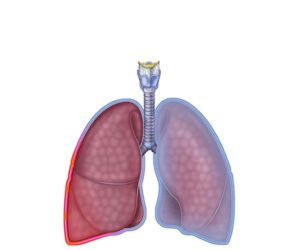
Autoimmune pulmonary pleurisy
24,50 € Add to basketAutoimmune pulmonary pleurisy is an inflammation of the pleura
caused by the immune system’s attacks, frequently associated
with lupus. It causes sharp pain when breathing, a dry cough, and
can lead to pleural effusion that hinders oxygenation. -
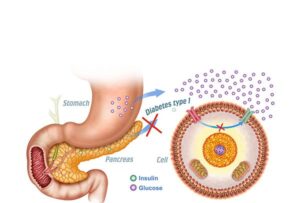
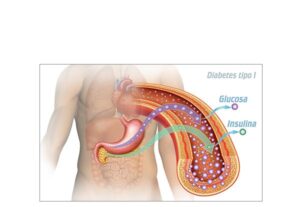
Autoimmune type 1 diabetes
24,50 € Add to basketAutoimmune type 1 diabetes: a disease where the pancreas does
not produce insulin due to an immune system attack. The lack of this
hormone prevents glucose from entering the cells, raising blood sugar.
It requires treatment with diet, exercise, and permanent medication. -
Autoimmune type 1 diabetes
24,50 € Add to basketAutoimmune type 1 diabetes: a disorder where the immune system
destroys pancreatic cells. This prevents insulin production, affecting
glucose flow in the artery. Treatment requires diet, exercise, and medical
control to regulate sugar in the bloodstream permanently. -
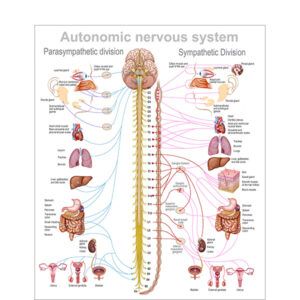
Autonomic nervous system
24,50 € Add to basketThe autonomic nervous system (ANS) is a vital regulatory
network responsible for controlling involuntary body functions.
Unlike other control pathways in the body, this system operates
automatically and does not require conscious effort..
-
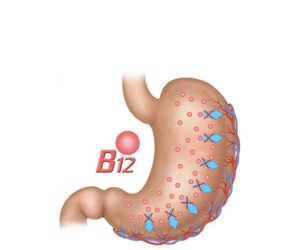
B12 in pernicious anemia
24,50 € Add to basketB12 in pernicious anemia: a disorder caused by the lack of vitamin
B12 absorption in the stomach affects red blood cell formation. It
triggers fatigue and neurological damage, requiring B12 injections to
correct the deficiency and restore the nervous system and blood
function permanently. -
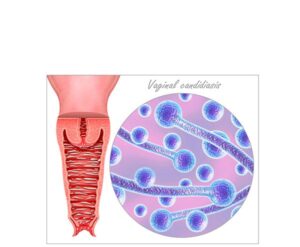
Bacterial candidiasis
24,50 € Add to basketBacterial candidiasis is a fungal infection caused by Candida albicans.
It leads to itching, irritation, and abnormal discharge, affecting genital,
oral, or skin areas and requiring antifungal treatment.