Anatomy
Showing 265–276 of 678 results
-
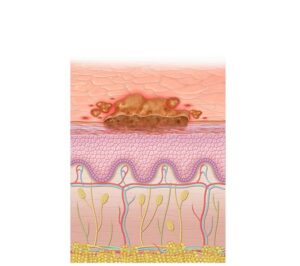
Impetigo crust
24,50 € Add to basketImpetigo crust. This visual representation details the honey-colored
and yellowish lesions caused by bacterial infections of staphylococci or
streptococci. The content explains the distinctive appearance of the
infection and highlights the importance of hygiene and antibiotics
treatment for rapid healing.


-
Impetigo skin infection
24,50 € Add to basketImpetigo skin infection. This diagram details the formation of
vesicles and yellowish crusts caused by streptococci or staphylococci.
The content technically describes the evolution of the lesions and
highlights the importance of antibiotic treatment and hygiene for their
resolution. -
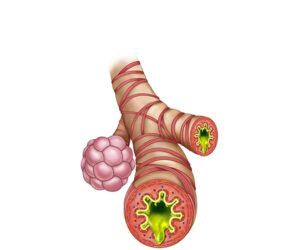
Inflamed bronchi
24,50 € Add to basketInflamed bronchi present mucus, thickening, and muscle
contraction that narrow the airways. This makes it difficult
for air to flow and causes coughing, congestion, and difficulty
breathing. -
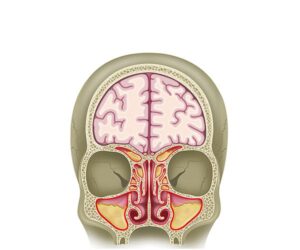
Inflamed paranasal sinuses
24,50 € Add to basketThe inflamed paranasal sinuses have an altered function in nasal
ventilation. Moreover, under normal conditions, these cavities are
air-filled. Additionally, mucus flows into the nasal cavity. -
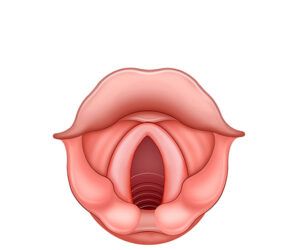
Inflamed vocal cords
24,50 € Add to basketThe inflamed vocal cords have an altered function in voice
production. Moreover, under normal conditions, vocal cords
vibrate in coordination. Additionally, they allow clear sound
production. Furthermore, they ensure proper phonation. -
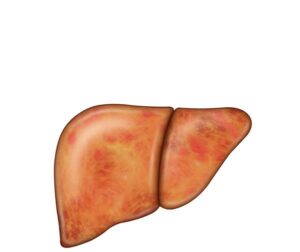
Inflammation due to autoimmune hepatitis
24,50 € Add to basketInflammation due to autoimmune hepatitis describes the
mistaken attack of the immune system on liver cells, causing
fatigue, jaundice, and abdominal pain. This chronic condition
requires diagnosis through autoantibodies and constant
treatment to prevent permanent liver damage. -
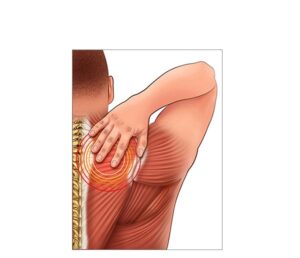
Inflammatory muscle dermatomyositis
24,50 € Add to basketInflammatory muscle dermatomyositis is an autoimmune
disease that causes muscle weakness and skin rashes. It
can affect internal organs and requires treatment based
on immunosuppressants and physical therapy. -
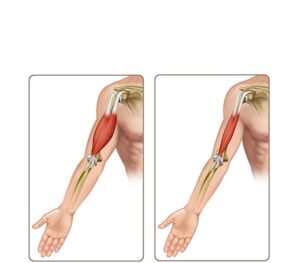
Inflammatory muscle dermatomyositis
24,50 € Add to basketDermatomyositis: an inflammatory muscle disorder that causes
inflammation and muscle atrophy, reducing the size and muscle
strength. It causes severe motor weakness and requires a treatment
based on immunosuppressants and physical therapies. -
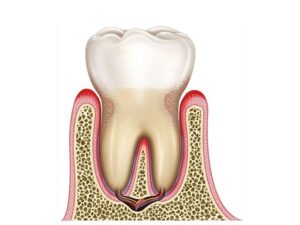
Initial periodontal phase
24,50 € Add to basketThe initial periodontal phase has an altered function in gingival
health. Moreover, under normal conditions, the gum protects dental
structures. Additionally, the periodontal ligament maintains tooth
attachment. -
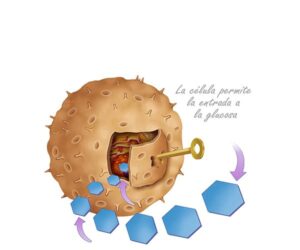
Insulin as a cellular key
24,50 € Add to basketInsulin acts as a cellular chemical key that allows the entry of glucose
into the cells. This process is essential for the production of energy,
and its alteration causes the accumulation of blood glucose, as occurs
in diabetes. -
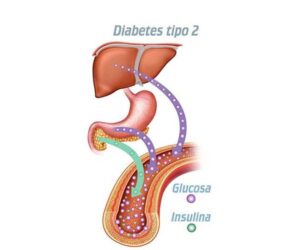
Insulin rejection
24,50 € Add to basketThe rejection of insulin involves a disruption in its production or action,
generally due to an autoimmune process. This causes accumulation of
glucose in the blood, generates metabolic symptoms, and can cause
serious complications if not treated with insulin and proper control. -
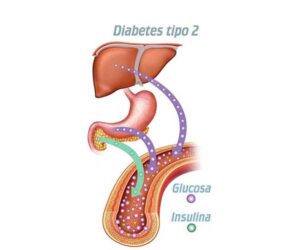
Insulin rejection
24,50 € Add to basketInsulin rejection: a condition where cells do not respond to the
hormone, causing high sugar levels. This phenomenon is linked to
obesity and lack of exercise, making its control key to avoiding type 1
diabetes and serious metabolic complications in the human body.