Anatomy
Showing 289–300 of 678 results
-
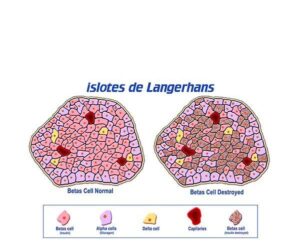
Islets of Langerhans in diabetes
24,50 € Add to basketIslets of Langerhans in diabetes: pancreatic cell groups essential
for producing insulin. Their destruction or deterioration causes serious
failures in glucose regulation. Understanding their function is vital for
treating type 1 and type 2 diabetes, ensuring proper metabolic control.


-
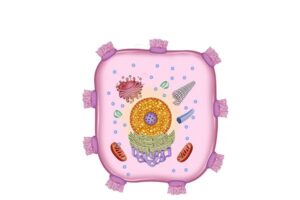
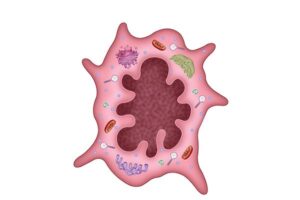
Keratinocyte cells
24,50 € Add to basketKeratinocytes are the main epidermal cells that produce
keratin and cytokines, maintaining skin barrier function,
immune defense, and regeneration. -
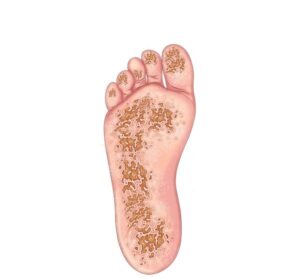
Keratoderma blennorrhagica
24,50 € Add to basketKeratoderma blennorrhagica. This illustration details the
severe skin thickening linked to reactive arthritis. The text
describes the excessive keratin formation on the palms and
soles of the feet. It also presents the need for an integrated
approach to treat these skin lesions. -
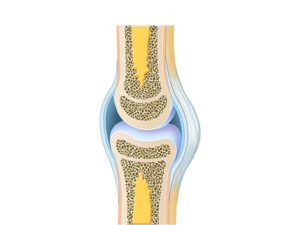
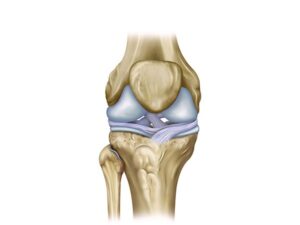
Knee and cartilage
24,50 € Add to basketThe knee and cartilage demonstrate the anatomical structure that
enables movement and shock absorption. The knee is composed
of the femur, tibia, and patella, along with the menisci and articular
cartilage, which protect the bones from wear and tear. -
Knee cruciate ligament
24,50 € Add to basketKnee cruciate ligament. This anatomical structure joins the femur
with the tibia to provide internal stability. The anterior and posterior
cruciate ligaments are fundamental to preventing excessive bone
displacement, facilitating the diagnosis and treatment of common
joint injuries. -
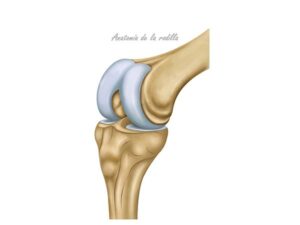
Knee function
24,50 € Add to basketKnee function. This joint acts as a complex hinge that facilitates
the flexion and extension of the leg. Its structure, composed of the
femur and tibia, supports body weight and guarantees the stability
necessary to walk, run, and perform daily activities safely. -
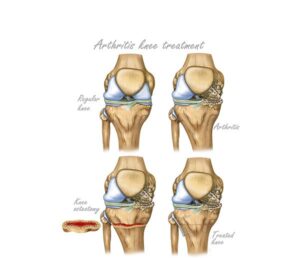
Knee osteotomy treatment
24,50 € Add to basketKnee osteotomy treatment is a surgical procedure that corrects
bone alignment to relieve pain and improve joint function. Moreover,
it redistributes load in early osteoarthritis and may delay the need for
knee replacement surgery. -
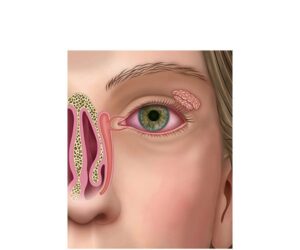
Lacrimal Sjögren’s syndrome
24,50 € Add to basketLacrimal Sjögren’s syndrome is a pathology where the immune system
attacks the glands responsible for lubrication, reducing tear production.
This autoimmune condition causes severe ocular irritation, a foreign body
sensation, and chronic facial dryness. -
Langerhans cells
24,50 € Add to basketLangerhans cells are immune cells in the epidermis that
capture antigens and present them to lymphocytes, triggering
immune responses and protecting the body. -
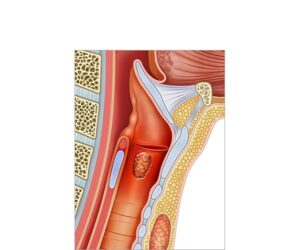
Laryngeal cancer
24,50 € Add to basketThe laryngeal cancer has an altered function in phonation.
Moreover, under normal conditions, vocal cords vibrate to
produce sound. Additionally, the larynx protects the airway
during swallowing. -
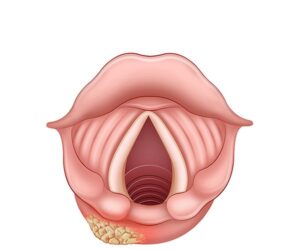
Laryngeal carcinoma
24,50 € Add to basketLaryngeal carcinoma fulfills an altered general function in the
production of the voice. In addition, under normal conditions
the the vocal cords vibrate to generate sound. Also, the larynx
regulates the passage of air into the lungs. -
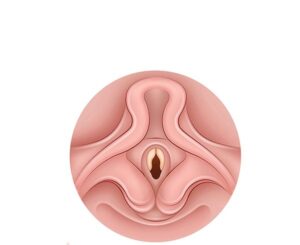
Laryngomalacia
24,50 € Add to basketThe laryngomalacia has an altered function in respiration.
Moreover, under normal conditions, the larynx remains open.
Additionally, it allows proper airflow into the lungs.