Anatomy
Showing 313–324 of 678 results
-
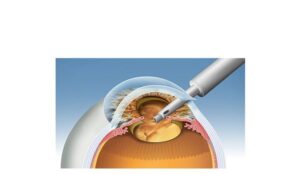
Lens extraction in cataracts
24,50 € Add to basketLens extraction in cataracts is a surgical procedure used
in advanced cases. This representation shows the cornea,
lens, aqueous humor, retina, and optic nerve.


-
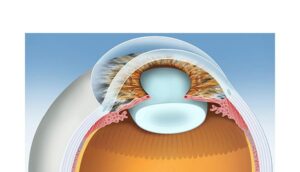
Lens of the eye
24,50 € Add to basketThe crystalline lens is a transparent and flexible structure
located behind the iris that focuses light onto the retina.
Through accommodation, controlled by the ciliary muscles,
the lens changes shape to focus on objects at different
distances. -
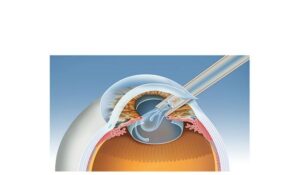
Lens replacement in cataracts
24,50 € Add to basketThe lens replacement in cataract surgery illustrates the final stage,
where the cloudy lens is replaced with an artificial intraocular lens.
After removing the lens using phacoemulsification, the new lens is
implanted through a small incision in the cornea. -
Lips in Sjögren’s syndrome
24,50 € Add to basketLips in Sjögren’s syndrome describe the extreme dryness and cracking
caused by the immune system’s attack on the salivary glands. This
condition reduces saliva production, affecting lip flexibility and causing
persistent facial irritation. -
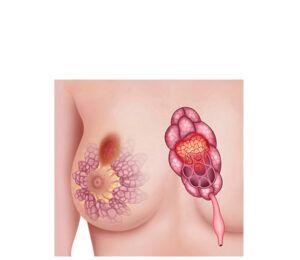
Lobular breast cancer
24,50 € Add to basketLobular breast cancer. A tumor that originates in the lobules and
may not form lumps, making detection difficult. Includes forms
in situ and invasive, with a risk of dissemination and the need for
early diagnosis. -
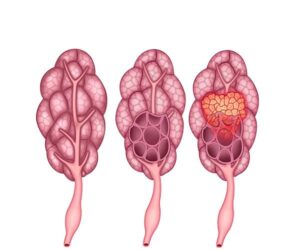
Lobular breast stages
24,50 € Add to basketStages of mammary lobules. Comparison between healthy
lobe and affected by carcinoma, showing structural changes,
abnormal cell proliferation and alteration of function
glandular in the breast tissue. -
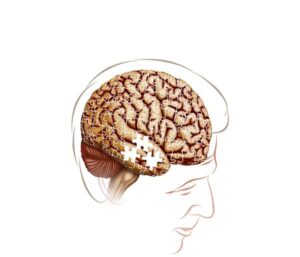
Lost memories in Alzheimer’s disease
24,50 € Add to basketThe lost memories in Alzheimer’s disease have an altered function in
cognitive processes. Moreover, under normal conditions, neurons
communicate efficiently. Additionally, they store and retrieve information. -
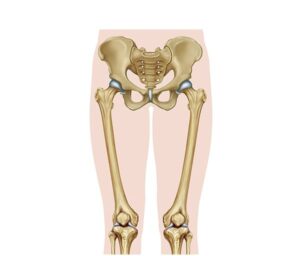
Lower limb anatomy
24,50 € Add to basketAnatomy of the lower limb. This is a complex biomechanical system
that influences the mobility and stability of the human body. The hip,
with the acetabulum and the femoral head, connects to the femur,
extending down to the knee. -
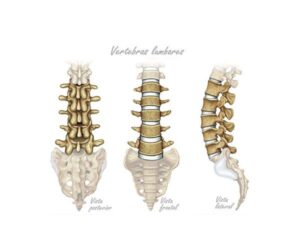
Lumbar vertebrae
24,50 € Add to basketLumbar vertebrae. The bony structures in the lower region of
the spine are shown here. These vertebrae, numbered from L1
to L5, support the weight of the torso and allow for movements
such as flexion and extension. -
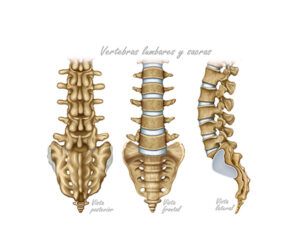
Lumbar vertebrae and sacrum
24,50 € Add to basketLumbar and sacral vertebrae. These show the bony structures
in the lower part of the spine. Numbered L1 through L5, the
lumbar vertebrae support the weight of the torso and allow for movements
such as flexion and extension. The sacrum, formed by fused vertebrae,
connects the lumbar spine to the pelvis.</p> -
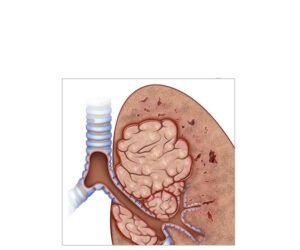
Lung cancer
24,50 € Add to basketLung cancer is a malignant disease characterized by the
abnormal growth of cells in the lungs. It causes obstruction,
reduces gas exchange, and causes respiratory symptoms. -
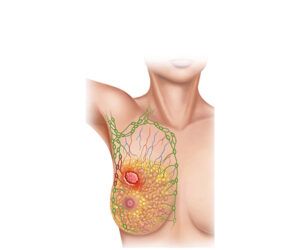
Lymphatic breast cancer
24,50 € Add to basketLymphatic breast cancer. Lymph node involvement by
tumor cells originating from breast tissue, indicating
cancer dissemination and greater clinical complexity in its
treatment.